Best Wine Pairings for Long Island Seafood in 2026
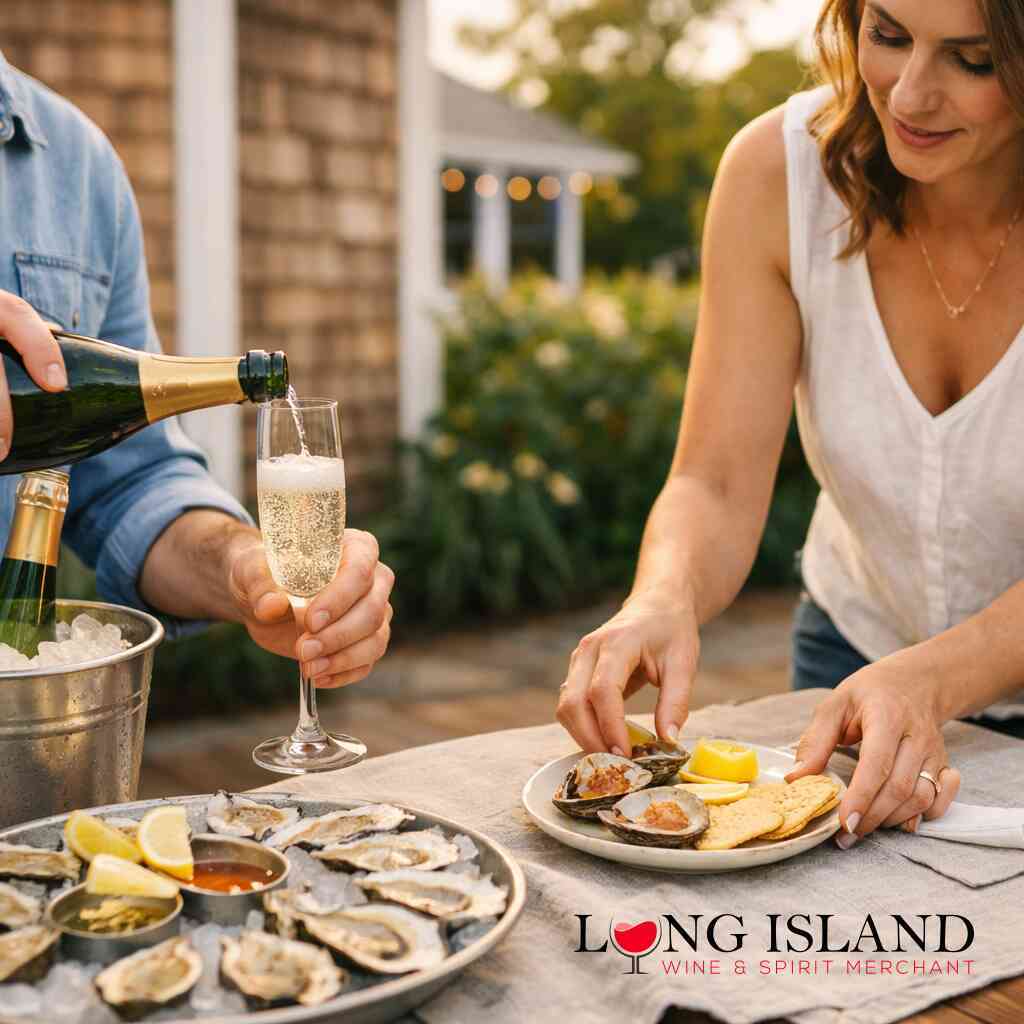
Best Wine Pairings for Long Island Seafood in 2026
Long Island seafood pairs beautifully with wine when the bottle matches the dish. The best wine pairing for Long Island seafood in 2026 is usually a crisp white, but the right choice depends on whether you are serving oysters, lobster, grilled fish, or a richer sauced preparation.
Why seafood needs a different wine approach
Seafood is delicate, but it is not one-note. Long Island seafood can be briny, sweet, smoky, buttery, or citrus-driven. That means wine should bring balance rather than weight.
A wine that feels generous with roast chicken can seem heavy next to shellfish. A bold red can overpower clean fish and make the meal taste metallic. In most cases, the goal is freshness, acidity, and enough character to support the food without masking it.
The safest starting point: crisp white wine
For oysters, clams, crab legs, shrimp, and lightly prepared fish, a crisp white wine is the most reliable choice. It refreshes the palate and highlights the natural sweetness of the seafood.
Good general styles include:
- Sauvignon Blanc for citrus and herb notes
- Dry Riesling for lift and mineral character
- Pinot Grigio for a light, easygoing match
- Albariño for a salty, bright coastal feel
- Vermentino for clean texture and freshness
These wines work especially well with lemon, brine, and chilled shellfish because they stay lively instead of heavy.
Best wine styles for specific seafood dishes
Oysters and raw clams
Raw shellfish usually asks for high acidity and a mineral finish. Sauvignon Blanc, dry Riesling, Muscadet, or Chablis are all strong choices. These wines keep the palate clean and complement the salty, ocean-fresh character of the food.
Lobster with butter
Lobster is richer, so the wine needs a little more body. A fuller white can work well, especially if the dish includes butter, cream, or drawn butter. Chablis, Chardonnay with restrained oak, or a rounder Albariño can be excellent here.
Grilled fish
Grilled fish often picks up char and smoke, which calls for a wine with a bit more structure. Sauvignon Blanc still works, but a more textural white can also be a good fit. Vermentino and some dry Rieslings offer enough brightness while standing up to the grill.
Fried seafood
Fried seafood needs acidity to cut through the texture. Sparkling wine, Pinot Grigio, or dry Riesling are smart options. If you want the meal to feel lighter, bubbles are especially effective.
Crab legs and shrimp
Crab and shrimp are sweet and clean, so a bottle should not dominate. Pinot Grigio, Sauvignon Blanc, and Albariño are dependable matches. These wines support the natural sweetness without adding heaviness.
When a richer white makes sense
Not every seafood dinner calls for a super-light wine. If the dish includes cream sauce, garlic butter, risotto, or smoky seasoning, a richer white can be the better choice.
A fuller Chardonnay can work when the food has enough weight to meet it. The key is balance. If the dish is delicate, too much oak or richness will flatten the flavors. If the dish is substantial, the extra body can make the pairing feel seamless.
A few practical pairing tips
Keep these simple rules in mind when choosing wine for Long Island seafood:
- Match the wine weight to the dish weight.
- Use acidity to handle butter, oil, and fried textures.
- Choose mineral-driven whites for oysters and clams.
- Avoid heavy reds unless the seafood is prepared in a bold, savory style.
- When in doubt, start with a dry white wine.
These guidelines are useful whether you are planning a quiet dinner at home or serving a mixed seafood spread for guests.
The easiest all-purpose answer
If you want one simple answer, choose a crisp, dry white wine. Sauvignon Blanc is often the most versatile. Dry Riesling, Pinot Grigio, Albariño, and Muscadet are also dependable choices depending on the dish.
For Long Island seafood in 2026, the best pairing is usually the wine that brings brightness, balance, and enough structure to respect the food. That is what makes the meal feel complete.
Final takeaway
The best wine pairing for Long Island seafood is not about picking the most expensive bottle. It is about matching the wine to the preparation.
- Briny shellfish wants acidity and minerality.
- Buttered lobster can handle more richness.
- Grilled fish needs freshness with a little structure.
- Fried seafood benefits from crispness or bubbles.
When the wine supports the seafood instead of competing with it, the entire meal tastes cleaner, brighter, and more memorable.
What Is the Best Wine Pairing for Long Island Seafood 2026


Comments
Post a Comment