Jeroboam Bottle Size Explained: The 3-Liter Party Statement
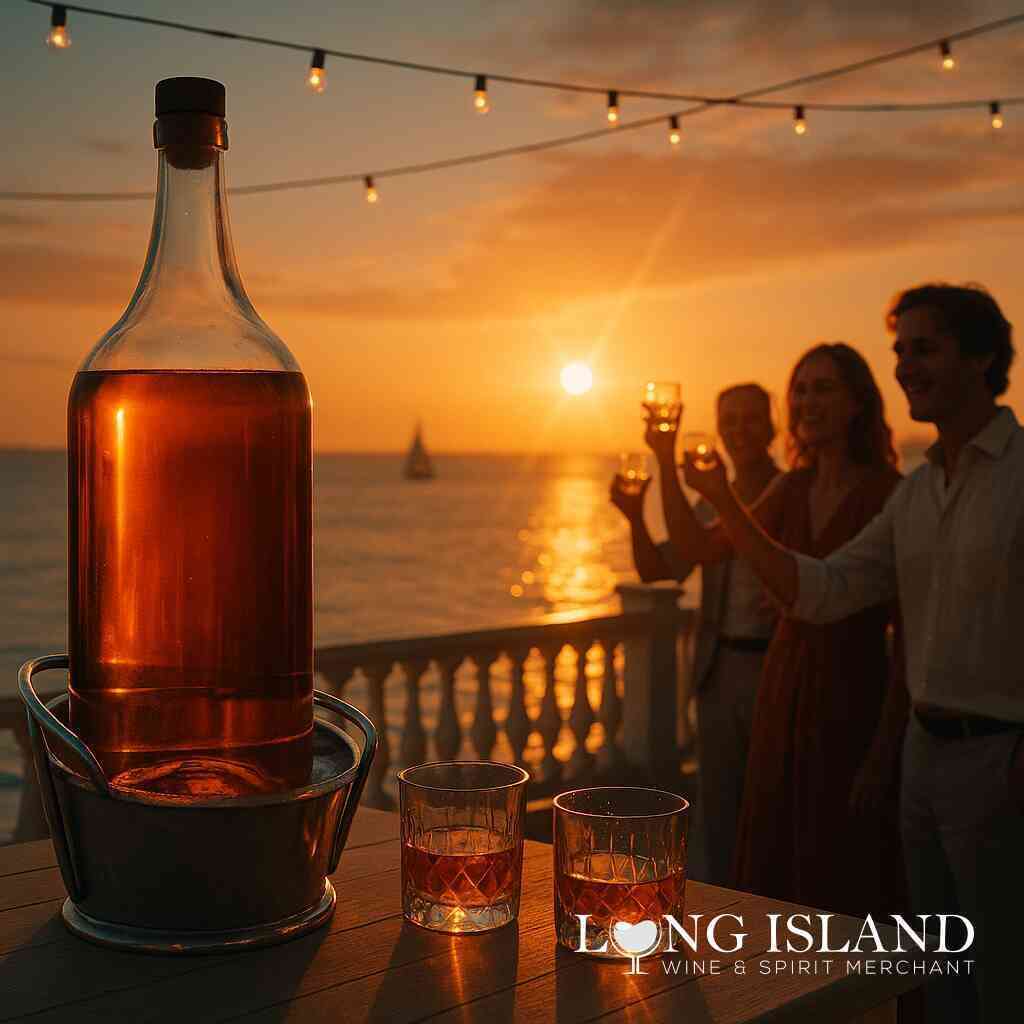
Unlocking the Jeroboam
A jeroboam is a three-liter bottle, equal to four standard 750 mL bottles. While the metric sounds simple, the effect of lifting one is anything but ordinary. This guide breaks down where the format sits on a size chart, why professionals respect it, and how hosts can put its generous volume to work.
Why the Three-Liter Format Matters
Most drinkers first meet large-format glass in the form of a magnum (1.5 L). Doubling that again, the jeroboam steps into a different league:
- Fewer bottles, less waste. One vessel replaces four regular bottles, cutting corks, labels, and recycling clutter.
- Slower oxygen exposure. The ratio of air to liquid is lower, so wine and spirits stay fresher once opened.
- Temperature stability. Thicker glass and more liquid buffer heat swings, protecting delicate aromas—helpful for coastal climates like Long Island.
- Built-in spectacle. Passing a single impressive bottle feels communal and celebratory, whether on a backyard deck or yacht.
Position on the Size Chart
Below is a quick reference for still wine and most spirits:
| Name | Volume | Standard Bottle Equivalent |
|---|---|---|
| Standard | 750 mL | 1 |
| Magnum | 1.5 L | 2 |
| Jeroboam | 3 L | 4 |
| Rehoboam | 4.5 L | 6 |
| Methuselah | 6 L | 8 |
| Salmanazar | 9 L | 12 |
| Nebuchadnezzar | 15 L | 20 |
Champagne houses sometimes label formats differently—tradition assigns jeroboam to three liters of still wine yet 4.5 L of bubbly. Always check the producer’s spec when planning pours.
Name With Royal Roots
The title traces to Jeroboam I, first king of the northern Kingdom of Israel. Medieval merchants admired Old Testament rulers and began naming outsized bottles after them to hint at power and abundance. Over centuries the practice stuck, giving today’s hosts a built-in history lesson to share while the cork eases out.
Magnum vs. Jeroboam: Flavor Differences
Many collectors stop at magnum, assuming anything larger is showmanship. Yet the jump from 1.5 L to 3 L changes the maturation curve:
- Wine aging: Tannins polymerize more slowly in the bigger vessel, so robust reds often display brighter fruit and smoother texture over the same calendar time.
- Spirits stability: Once opened, whiskey or cognac in a jeroboam resists oxidation for weeks. That matters for limited releases you plan to sample gradually.
Practical Tips for Serving a Jeroboam
- Chill Early. Three liters take longer to reach service temperature. Place white wine or Champagne in ice water at least 45 minutes before guests arrive.
- Use Two Hands. Grip the punt (the dimple) with one hand while supporting the neck with the other. A pouring cradle works well at formal dinners.
- Prep Glassware. Expect roughly twenty-four 4-ounce pours. Arrange glasses in advance so serving feels seamless.
- Decant if Needed. Bold reds or barrel-aged tequila can benefit from exposure. Siphon into a large decanter, then return to the chilled bottle for presentation.
- Record the Date. If the bottle is not finished, note the open date on masking tape. A tight silicone stopper keeps flavors bright for several evenings.
Storage Considerations
Large formats demand planning:
- Racking: Standard wine racks hold 750 mL bottles. Look for adjustable shelves or horizontal lockers at least five inches wide.
- Weight: A full jeroboam tips the scale near nine pounds. Ensure shelving is rated for extra load.
- Humidity & Light: Targets remain the same—around 65 % humidity and darkness protect cork integrity and label art.
Cost per Ounce Math
Sticker shock can occur because producers often allocate small runs to jeroboams. Yet a simple division shows value:
Example: A special-edition bourbon priced at $260 in a 3 L bottle equates to about $6.50 per 1-ounce shot. The 750 mL counterpart might list at $70, or $9.20 per ounce. When framed this way, the larger format delivers both theater and savings.
Ideal Occasions on Long Island
- Beach bonfire: Fewer glass pieces in the sand and one dramatic toast as the sun sets over the Atlantic.
- Holiday roast: A jeroboam of aged Rioja pairs seamlessly with turkey or prime rib, ensuring enough for seconds.
- Vineyard picnic: Many North Fork wineries sell estate jeroboams; share one across a long communal table without constant refills.
How Producers Use the Format in 2026
Distilleries and breweries are joining the party, packaging barrel finishes or anniversary ales in three-liter glass. Limited counts boost collectability, yet the size remains pourable at small gatherings. Expect to see:
- Cask-strength rye bottled exclusively in jeroboam for club members.
- High-end mezcal sealed under wax caps with hand-painted labels.
- Double-magnum craft beer releases, conditioned for extended cellaring.
Quick FAQ
Is a jeroboam hard to pour? With a steady two-hand grip or table cradle, most adults manage comfortably.
Can it be shipped? Yes, but carriers treat the package as oversized. Extra cushioning and an outer carton rated for 25 lbs are recommended.
Does the cork differ? Often, yes. Producers use slightly wider, longer corks to maintain a tight seal over more volume.
Final Sip
A jeroboam offers more than extra liquid. It brings a sense of occasion, supports slower aging, and can even lower cost per ounce. Whether you lean toward Champagne, single-malt Scotch, or a bold Napa blend, the three-liter bottle stands ready to turn any get-together into a memory.
Choose the format when guest lists stretch, stories are likely to flow, and your cellar—or cooler—has room for a little royal presence.
What Does Jeroboam Mean at Shop Liquor Bottle Sizes


Comments
Post a Comment