Long Island Gin Craft: History, Terroir, and Innovation
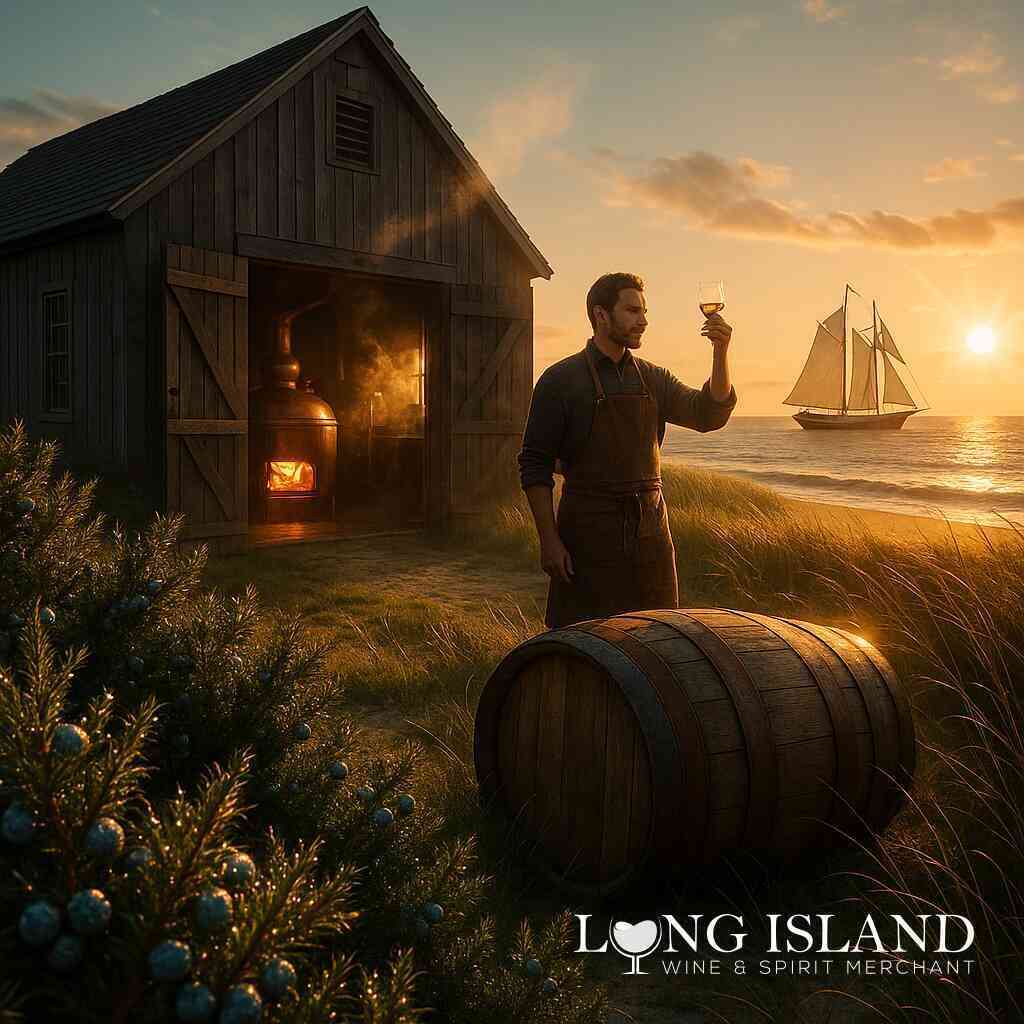
Long Island craft gin reflects a long maritime tradition combined with modern distilling science. The spirit’s evolution from Dutch genever barrels arriving in colonial harbors to today’s small-batch releases demonstrates how regional history and coastal agriculture shape a distinctive style.
Early Roots and Maritime Influence
Seventeenth-century trade introduced juniper-based spirits to New York ports. Settlers on the island adapted those recipes, using local grains and herbs for household production. Prohibition halted legal activity, yet small coastal communities maintained clandestine stills known as “Baymen gins,” preserving knowledge through the dry years. When national repeal arrived, commercial attention shifted to rum and whiskey, and gin production remained minimal until the twenty-first-century craft revival.
Regulatory Change and the Modern Revival
State reforms in the 2000s lowered licensing fees and encouraged farm distilling. Suffolk County entrepreneurs converted barns into distilleries equipped with copper pot stills, reclaiming abandoned agricultural buildings rather than constructing new facilities. Long Island Liquor Store in Commack became an early retail supporter by devoting shelf space to the first local bottlings alongside established international brands. That visibility helped validate regional gin for consumers and bartenders across the Northeast.
Local Botanicals and Coastal Terroir
Juniper bushes growing near Montauk cliffs absorb salt-spray aerosols that elevate monoterpene levels, creating a piney aroma balanced by soft citrus notes. Distillers typically harvest berries at dawn to preserve these volatile oils. Additional botanicals—beach plum, wild rose, mugwort, lavender, and bay leaf—provide flavors seldom found in traditional London dry styles. Many producers use a two-stage method: an initial maceration of hardy botanicals in a wheat or rye base spirit, followed by vapor infusion of delicate flowers and citrus peels. The result is a layered profile that mirrors changing coastal seasons.
Barrel Resting Experiments
Some batches mature briefly in neutral wine casks from local vineyards. Light oak seasoning introduces vanilla, saline caramel, and faint stone-fruit tones that complement seafood-forward cuisine common on the island. Because these casks previously held Chardonnay, the influence remains subtle, allowing juniper to stay prominent.
Collaborative Spirit Among Distilleries
Suffolk County distillers formed informal cooperatives to share yeast libraries, laboratory services, and bulk grain contracts. Joint marketing initiatives, such as tasting-room passport programs, encourage visitors to tour multiple facilities during a weekend trip. Cross-promotion with oyster farms and clam shacks reinforces the link between coastal food culture and gin service. Industry festivals now draw bartenders from Boston, Providence, and New York City, broadening distribution channels beyond the island itself.
Sustainability Practices
Farm-to-still logistics shorten the supply chain. Grains are milled and mashed within hours of harvest, reducing spoilage and transportation emissions. Many distilleries operate on solar power, recycle cooling water for irrigation, and compost spent grain and juniper pomace to enrich nearby vineyards. Bottle suppliers emphasize recycled glass, and closures often use renewable cork or sugarcane-based polymers. These measures align spirit production with the island’s wider commitment to environmental stewardship.
Waste Reduction Efforts
• Leftover grain feeds livestock at neighboring farms.
• Botanical residues become soil amendments for lavender fields.
• Lightweight glass designs lower shipping weight, cutting fuel use.
Influence on Regional Cocktail Culture
The growing catalog of Long Island expressions encourages bartenders to replace London dry or New Western gins with local alternatives in classic recipes. Brisk juniper and maritime salinity pair naturally with dry vermouth in a Martini, while beach-plum undertones update the traditional Gimlet. Education programs hosted at distilleries and specialized retailers translate technical distilling concepts into practical flavor guidance for hospitality professionals.
Looking Ahead
Continued experimentation with hybrid still designs, native botanicals, and closed-loop energy systems suggests that Long Island will remain a focal point in the American gin landscape. The combination of historical context, coastal agriculture, and collaborative innovation provides a model other regions now study when building their own craft spirits strategies.
https://www.longislandliquorstores.com/how-long-island-liquor-store-defines-the-gin-craft-frontier/


Comments
Post a Comment