Wedding Bar Planning: Calculating Liquor Sizes in Commack
Planning a wedding in Commack, New York, is a significant milestone that involves numerous logistical details, with the bar being one of the most critical. Ensuring you have the right amount of alcohol for your guest list requires a blend of careful math and practical planning. This guide explores how to calculate liquor bottle sizes and quantities to ensure your celebration runs smoothly without the stress of overbuying or running short on spirits.
Mastering the Math Behind Your Wedding Bar
Managing a wedding bar effectively requires a solid understanding of volume and yield. Many hosts underestimate the average consumption per guest over the course of an event, which can lead to empty glasses before the final song. Conversely, buying too much can tie up funds that might be better used elsewhere. By understanding industry standard measurements, you can shop with confidence and prepare for a seamless event.
Decoding Standard Bottle Sizes and Regulations
Navigating the world of liquor bottle sizes begins with recognizing the standards established by the Alcohol and Tobacco Tax and Trade Bureau. These regulations provide consistency across the industry, which helps you compare prices and total volumes when shopping at local stores.
Common bottle sizes you will encounter include:
- 50ml: Often called a nip, typically used for samples or small favors.
- 375ml: Known as a half-pint, useful for niche spirits or smaller selections.
- 750ml: Commonly referred to as a fifth, this is the industry standard for most core spirits.
- 1 Liter: Provides a slightly larger volume for high-demand items.
- 1.75 Liter: Known as a handle, these are the most cost-effective for large-volume items like vodka, gin, or tequila.
Understanding these volumes is the foundation for your inventory. For example, knowing that a 1.75-liter handle provides significant cost savings is essential for high-consumption spirits. If you plan on including a champagne toast, look for larger formats like magnums, which add a sense of elegance while remaining economical for large groups.
Converting Milliliters to Ounces for Precise Planning
When you start drafting a cocktail menu, you will notice that recipes are almost exclusively written in ounces, while bottles are sold in milliliters. Mastering this conversion is vital for calculating how many drinks a single bottle can yield.
A standard 750ml bottle contains approximately 25.4 ounces. If your standard pour is 1.5 ounces, one bottle will yield about 17 cocktails. If you are serving complex drinks that involve multiple mixers or larger glassware, your yield will naturally decrease. Factoring in the total liquid volume per glass helps prevent you from running out of ingredients mid-reception and keeps your service running at a steady pace.
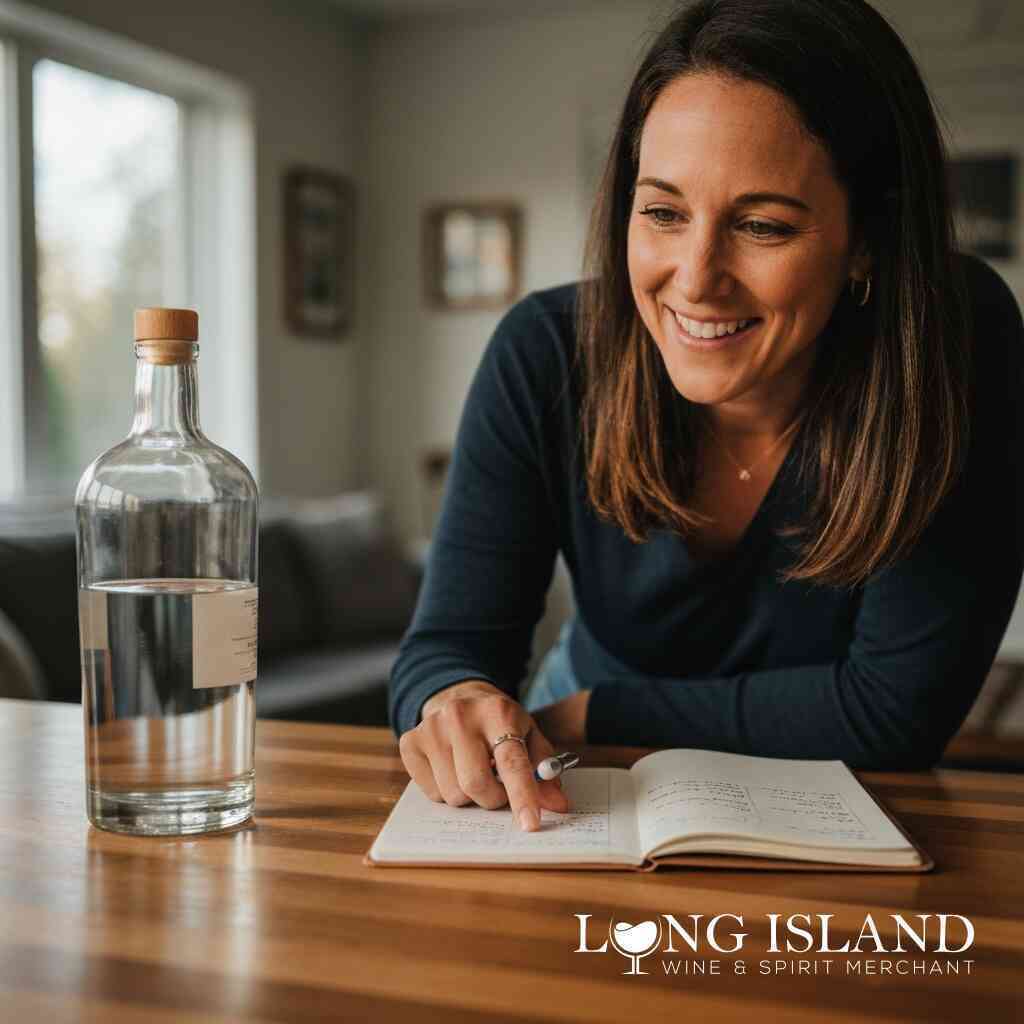
To simplify your planning, calculate the total number of drinks you expect to serve. If you have 100 guests and expect each person to consume an average of four drinks, you are looking at 400 total servings. Knowing that a 1.75-liter handle yields roughly 39 to 40 standard pours, you can quickly determine that you need approximately ten handles of your base spirits to cover the event. Keeping a simple tally in a notebook can take the guesswork out of your shopping list.
Determining Spirits Per Guest
Determining exactly how much alcohol to purchase is an art form that balances your budget with guest enjoyment. Most industry experts suggest planning for one to two drinks per person during the first hour of the reception, followed by one drink per person for every hour thereafter.
Always consider the nature of your crowd and the timing of your event. Weddings featuring high-energy dancing or an evening schedule may require more replenishment than a quiet afternoon luncheon. When stocking your bar, try to balance your selection between crowd-pleasers like vodka and gin, and more distinct options like rye whiskey or amaro to satisfy a variety of palates.
It is generally better to have a slight surplus of wine and beer than to run out of liquor entirely, as unopened bottles are easily stored for future use. Be mindful of the alcohol by volume (ABV) of your selections, as high-proof spirits are typically used in smaller quantities than lower-proof liqueurs. By working with a knowledgeable local professional in the Long Island area, you can refine these estimates based on your specific venue requirements and the specific profile of your guest list. Being prepared well in advance allows you to focus on the celebration rather than the logistics of the bar, ensuring that your wedding day remains as enjoyable and stress-free as possible.
How to Calculate Liquor Bottle Sizes for Commack Weddings


Comments
Post a Comment