Understanding Standard Liquor Bottle Sizes and Measurements
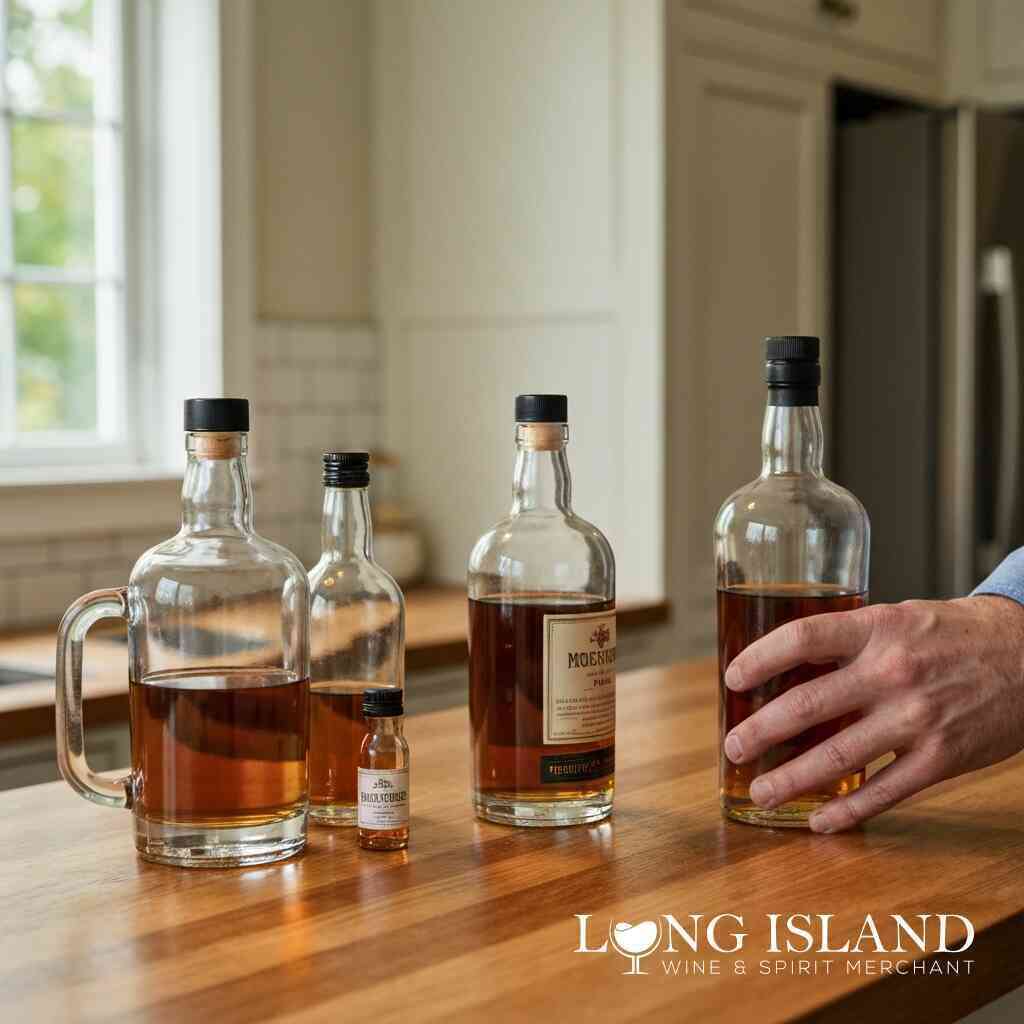
Navigating the world of alcohol packaging can feel like learning a specialized language. Whether you are stocking a home bar for the first time or planning a large-scale event, understanding liquor bottle sizes and their corresponding volumes is essential for accuracy and effective budgeting. This guide breaks down industry standards, measurements, and practical tips to help you make informed decisions about your inventory.
Decoding Industry Standards and Regulations
The alcohol industry operates under strict guidelines to ensure transparency and consistency. In the United States, the Alcohol and Tobacco Tax and Trade Bureau (TTB) mandates specific fill levels for distilled spirits. These regulations exist so that consumers receive exactly what they pay for, whether purchasing vodka, gin, or whiskey. By adhering to standardized metric measurements, manufacturers ensure that pricing remains transparent and that retail logistics function efficiently. You will find that these regulated sizes, ranging from 50ml airplane bottles to 1.75-liter handles, provide a reliable baseline for comparing brands and managing your shelf space.
The Evolution of Liquid Measurements
Historically, the American liquor trade used the unit known as a "fifth," which was defined as one-fifth of a gallon. This measurement was approximately 757 milliliters. As global trade became more integrated, the industry shifted to the 750ml standard to better align with international shipping requirements. Despite this transition, many industry terms remain common in daily conversation. The term "handle," for instance, refers to the 1.75-liter bottle, named for the integrated glass loop designed to assist with pouring. Recognizing these historical connections helps clarify why certain nicknames persist even as modern production focuses on precise metric volumes.
Mastering Volume Conversion for Bartending
If you enjoy crafting cocktails at home, being comfortable with unit conversions is a valuable skill. Converting milliliters to fluid ounces allows for accurate recipe execution. A standard 750ml bottle contains approximately 25.4 fluid ounces. Since a typical cocktail shot is 1.5 ounces, you can easily calculate your yield per bottle by dividing the total volume by your pour size. This math becomes especially useful when preparing for a gathering, as it helps determine how many bottles you need to purchase based on your expected guest count and drink menu.
Selecting the Right Vessel for Your Needs
Choosing the correct bottle size involves balancing the scale of your event with your storage capacity and the type of spirit you are serving. For smaller gatherings or when you want to experiment with a new craft spirit, smaller bottles allow for a trial experience without a significant financial commitment or excess storage requirements.
For larger events, efficiency becomes the priority. If you are hosting a high-traffic party, a 1.75-liter handle is often the most practical choice, as it reduces the frequency of bottle changes at the bar. Conversely, if you are planning to serve a variety of drinks or need to offer different options, a mix of 750ml bottles provides more flexibility and prevents having too much of one ingredient left over.
Evaluating Value and Storage
When comparing prices, it is tempting to assume that the largest bottle always offers the best value. While it is true that handles often have a lower price per ounce, this is not always the most economical choice if the spirit is one you use infrequently. Large containers can be difficult to store and pour, and once opened, the liquid is exposed to air, which may affect the quality of rare or delicate spirits over time.
Consider how quickly you will consume the product. If you entertain often throughout 2026, purchasing in bulk can save you time and money, but if a bottle will sit on your shelf for many months, it may be better to choose a smaller format. Always consider the total inventory of your home bar to ensure that you have enough variety for your guests without creating clutter.
Celebrating with Large Formats
Beyond standard household sizes, there is a fascinating world of large-format vessels, such as magnums, double magnums, and jeroboams. These bottles are often reserved for special occasions and celebrations where the presentation is just as important as the contents. While these are less common for casual mixing, they add a sense of occasion to formal dinners or milestone events. Understanding these larger categories can help you identify when a unique bottle might be the perfect centerpiece for your next celebration. By focusing on volume, storage needs, and the nature of your event, you can approach your next purchase with confidence and clarity.
Shop Liquor Bottle Sizes Explains Wine Bottle Size Trends


Comments
Post a Comment