Top 2026 Craft Spirit Trends for Your Home Bar Collection
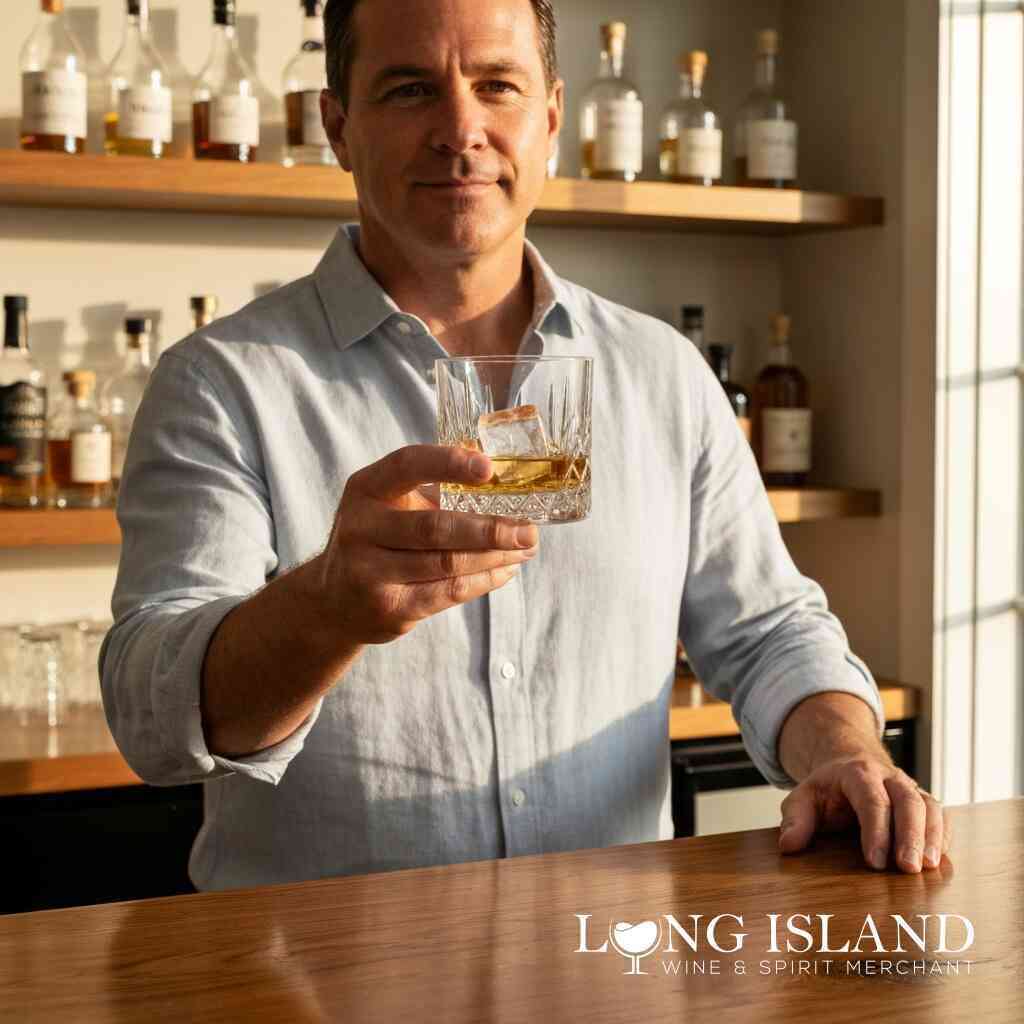
In 2026, the art of the home bar has evolved into a sophisticated pursuit of quality, discovery, and personal expression. As local enthusiasts in Suffolk County continue to elevate their home mixology setups, the focus has shifted firmly from stocking standard bottles to curating a meaningful, diverse, and high-quality collection of craft spirits. This shift mirrors a broader appreciation for the craftsmanship, ingredients, and stories behind every pour.
The Shift Toward Curated Craft Collections
Building a home bar that rivals professional establishments requires more than just filling shelf space. It demands an intentional approach to variety. A balanced collection begins with high-quality base spirits, such as a versatile vodka, a gin with deep botanical layers, and a complex rum. By choosing small-batch labels, you gain access to unique flavor profiles that mass-produced brands often lack.
When you invest in craft spirits, you support smaller production teams who prioritize traditional techniques. These methods often preserve the integrity of the raw materials, resulting in smoother finishes and more nuanced aromatics. To keep your bar feeling fresh throughout the year, consider rotating your selections seasonally. This variety not only keeps your palate engaged but also provides an inviting atmosphere for friends and family to experience new flavor combinations together.
Mastering the Essentials of Modern Mixology
While the base spirit provides the foundation, a cocktail’s character is defined by its secondary ingredients. Think of bitters as the spice rack of your bar, serving as the essential tool for balancing sweetness and acidity. Similarly, the growing interest in amaro digestifs has changed how many enthusiasts conclude a meal. These herbal, slightly bitter liqueurs offer a complex, sophisticated finish that acts as the perfect palate cleanser.
Experimenting with these modifiers does not require formal training. You can begin by researching simple, classic ratios and adjusting them to suit your personal preference for citrus, sugar, or botanical intensity. Many residents in the Commack area have found that the secret to a professional-grade drink is as much about the supporting cast—such as fresh citrus, house-made syrups, and rare vermouths—as it is about the primary spirit. By keeping a well-maintained selection of these essentials, you transform your kitchen into a space where classic cocktails truly come to life.
The Allure of Small-Batch Bourbon and Rare Whiskey
Demand for high-quality whiskey has reached an unprecedented level in 2026. Collectors are increasingly seeking out artisanal small-batch bourbon and rare whiskey releases to engage more deeply with the history and artistry of distillation. Each small-batch bottle carries the distinct hallmarks of its specific mash bill and barrel-aging process, offering a glimpse into the producer's unique tradition.
Understanding the nuanced differences between whiskey styles is the foundation of any serious collection. Bourbon is defined by its sweet, corn-heavy mash bill and the characteristic vanilla and caramel notes derived from new charred oak barrels. In contrast, scotch often highlights the geography of its origin through peat, smoke, and salinity. Hosting your own tasting flights allows you to explore these differences side-by-side. A diverse collection that spans these categories ensures that every guest finds something memorable to enjoy.
Embracing Conscious Consumption and Local Terroir
Beyond flavor, the modern enthusiast is increasingly focused on the journey from the earth to the glass. This is where the concept of 'terroir'—the environmental factors like soil, climate, and geography that impact a crop’s quality—becomes essential. Consumers want to understand the origin of their spirits, how the raw materials were sourced, and the impact of the distilling process.
This conscious approach to consumption encourages us to appreciate the environmental and cultural context of our drinks. When you choose spirits with a clear sense of place, you are engaging with the specific narrative of the region, whether it is a grain-forward bourbon from a specific valley or a botanical-heavy gin distilled in a coastal climate. This focus on provenance and sustainability is defining the spirit industry in 2026, encouraging deeper connections between the distiller and the drinker.
Cultivating Your Personal Mixology Hub
Ultimately, the goal of building a sophisticated home bar is to create a personal sanctuary for creativity. Whether you are hosting a lively summer garden party or enjoying a quiet winter evening, the right tools and a well-curated selection of spirits provide everything you need to craft exceptional drinks. There is a distinct satisfaction in serving a perfectly balanced cocktail that you have mixed yourself.
As you continue to explore the world of craft spirits, remember that this is a journey of discovery. Take your time to research new producers, experiment with different bitters, and engage with the stories behind your favorite labels. By focusing on quality, understanding your ingredients, and embracing the history of distillation, you can ensure your home bar remains a vibrant hub for years to come.
New 2026 Trends In Craft Spirits At Long Island Liquor Store


Comments
Post a Comment