Natural Wine Trends 2026: A Guide to Low-Intervention Bottles
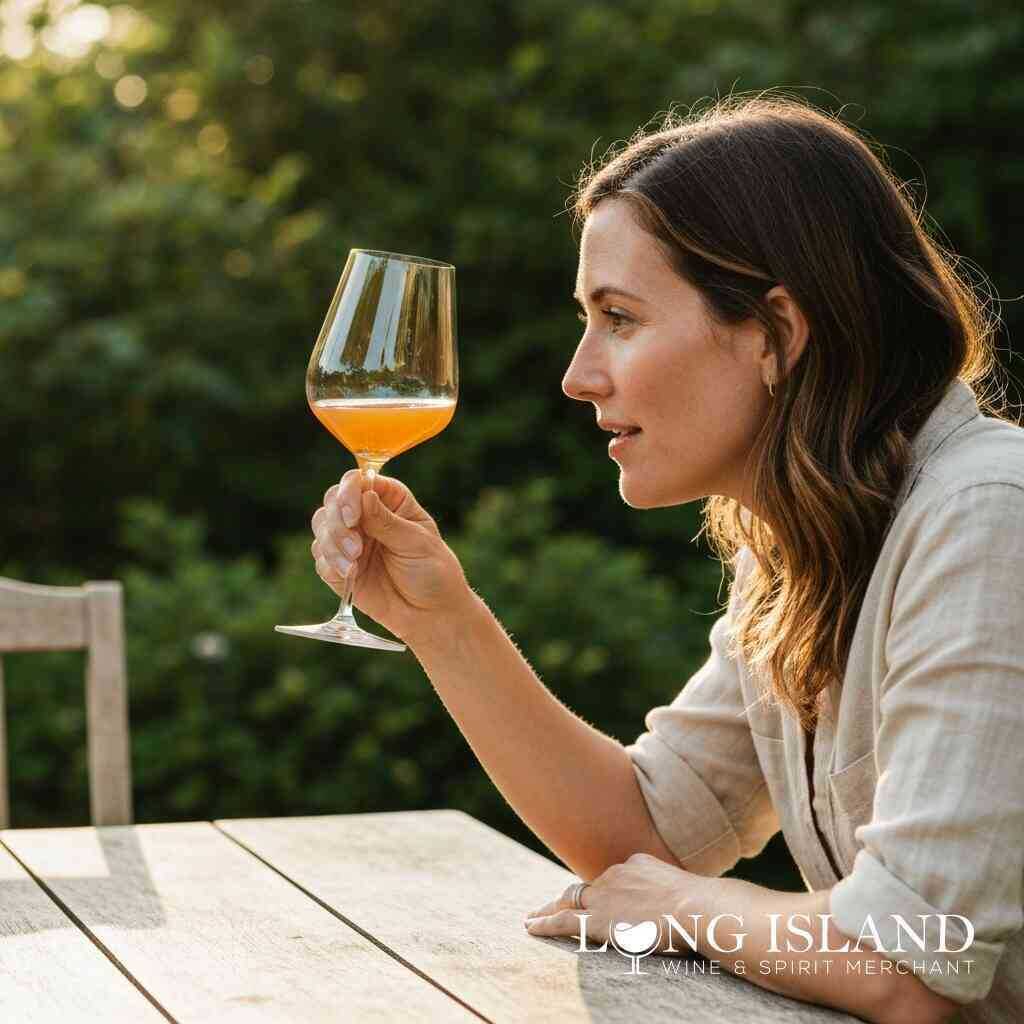
Finding the perfect bottle for a summer evening or a quiet dinner can often feel like a challenge. Many wine enthusiasts across Long Island are moving away from mass-produced labels, shifting their focus toward bottles with a genuine story. Natural wines, defined by low-intervention winemaking and honest agricultural practices, have captured the interest of many thoughtful collectors. This overview explores the top trends shaping the current natural wine movement in 2026.
1. The Rise of Pét-Nat Sparkling Wine
Pét-Nat, or pétillant-naturel, represents an exciting shift in how we enjoy sparkling wine. Unlike mass-produced bubbles that undergo secondary fermentation in large tanks, these wines are bottled while they are still actively fermenting. The natural sugars from the grapes convert into carbon dioxide, creating a lively, rustic fizz within the bottle. This process keeps the wine’s raw energy intact.
The Ancestral Method
The ancestral method is perhaps the oldest way of producing sparkling wine. By bottling the juice before the initial fermentation completes, winemakers capture the true spirit of the harvest. Because there is no dosage or added sugar, the resulting liquid is an honest reflection of the vintage. This method often leaves fine sediment in the bottle, which contributes to the wine's depth and slight cloudiness.
Refreshing for Summer
When temperatures climb, these unfiltered sparklers offer a bright, refreshing alternative. They typically feature a lower alcohol content and zesty acidity, making them excellent companions for long afternoons. Since many producers create these in small, experimental batches, every bottle offers a unique experience.
Pairing with Local Seafood
Long Island is home to incredible seafood, and pét-nat is a natural partner for these dishes. The citrusy, mineral-driven notes of these wines pair beautifully with fresh North Fork oysters or locally caught striped bass. The bubbles act as a palate cleanser, particularly when served alongside fried calamari, balancing the richness of the meal.
2. The Popularity of Skin-Contact Orange Wine
Orange wine, or amber wine, is essentially white wine crafted using red wine techniques. By allowing the grape skins to remain in contact with the juice during fermentation, winemakers extract color, tannins, and a diverse range of secondary flavors. This ancient technique has seen a major resurgence among those looking to move beyond standard white and red selections.
Understanding Amber Hues
The vibrant, golden-orange color is a direct result of skin contact rather than additives. The presence of skins provides a structural grip and textural complexity that most conventional white wines lack. This makes orange wine incredibly versatile for food pairings, as it can stand up to bold spices, roasted meats, and even vegetarian dishes with complex flavors.
Maceration and Flavor Depth
Maceration is the process where the juice interacts with the skins, seeds, and stems. This creates layers of dried apricot, loose-leaf tea, and wild honey that are rarely found in standard presses. The duration of this contact time dictates the final flavor profile, with longer maceration often resulting in earthier, more structured wines.
Serving Recommendations
To enjoy orange wine at its best, serve it slightly warmer than a traditional Sauvignon Blanc. Removing the bottle from the refrigerator about twenty minutes before pouring allows the aromatic profile to fully emerge. Using a larger glass can also help the wine breathe, revealing subtle savory notes that might otherwise remain hidden. Because these wines are often unfiltered, you may see some sediment; this is a sign of minimal intervention and is perfectly safe to consume.
Exploring the Future of Winemaking
Beyond these two prominent trends, the broader natural wine movement continues to emphasize transparency. Whether it is the use of native yeasts, the absence of fining agents, or a commitment to biodynamic farming, the goal remains the same: to produce wine that tells the story of the land. As we look at the selection available in 2026, it is clear that quality and authenticity are the primary drivers for discerning drinkers.
Embracing these styles is about more than just a new way to drink; it is about appreciating the craft and the patience required to let nature take its course. Whether you are curious about the fizz of a pét-nat or the structured complexity of an orange wine, there is a whole world of flavor waiting to be discovered. Taking the time to explore these labels can transform a standard meal into a memorable experience, grounding your enjoyment in the traditions of sustainable farming and thoughtful production.
Top 7 Natural Wine Trends At Long Island Wine Spirit Store


Comments
Post a Comment