Natural Wine Guide: Discovering Earth-Friendly 2026 Vintages
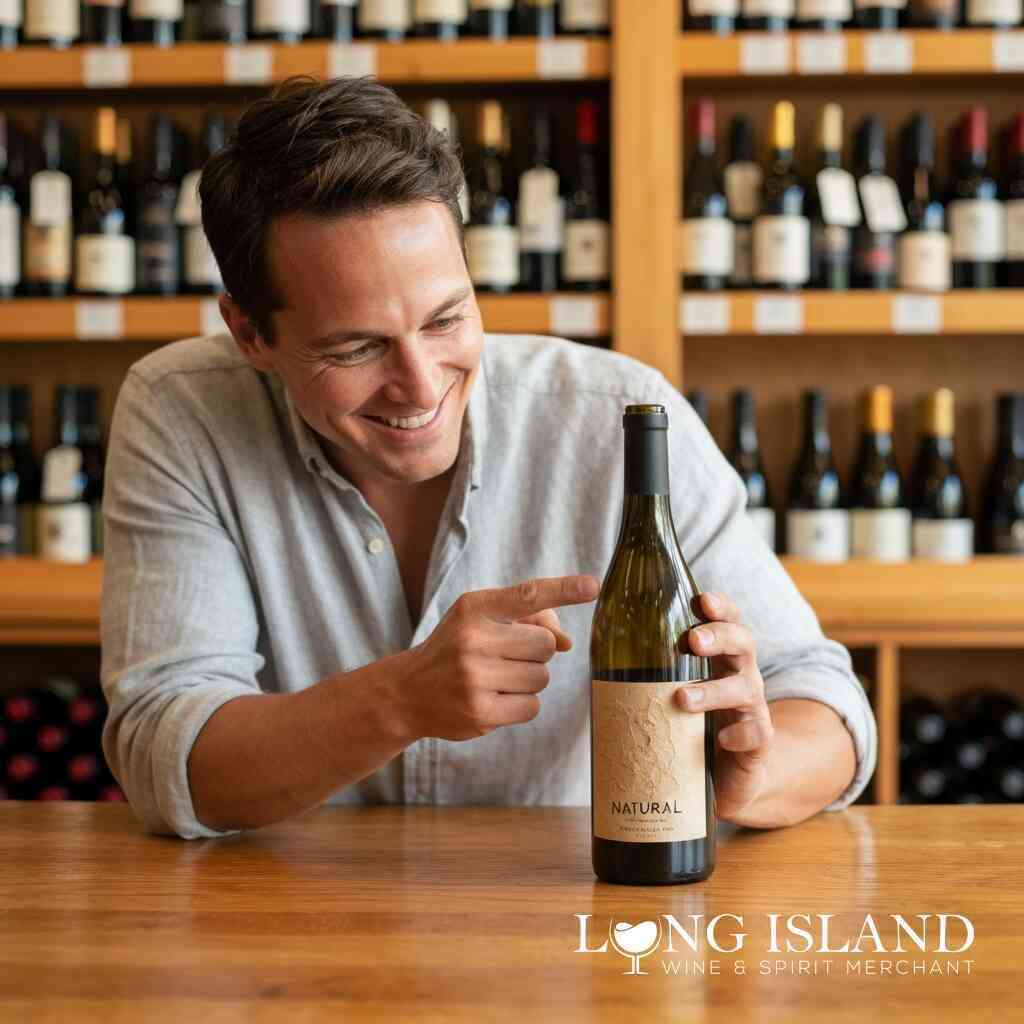
Winemaking is currently shifting toward a transparent, honest approach that celebrates fruit purity above all else. At Long Island Liquor Store, we have witnessed a growing demand for bottles that reflect the true character of the soil and local climate. Whether you are hosting a summer barbecue in Suffolk County or planning an intimate dinner in Commack, understanding the movement toward raw, earth-friendly wines is essential. These bottles tell a unique story of place, effort, and integrity, moving away from the constraints of mass-produced commercial standards. By choosing wines that prioritize the land, you engage in a rewarding sensory experience that bridges the gap between the vineyard and your glass.
The Raw Spirit of Modern Winemaking
Modern winemaking is returning to its roots by stripping away the heavy industrial processing that defined much of the last century. We believe that reducing excessive intervention allows the authentic voice of the grape to shine through with clarity. Our customers often seek out these options to find something distinct that stands apart from typical supermarket fare. By focusing on minimal intervention, producers create beverages that feel alive, vibrant, and expressive of their origin. Exploring this category allows every curious drinker to expand their palate while supporting sustainable agricultural practices.
Defining Minimal Intervention
Minimal intervention winemaking relies on nature to do the heavy lifting throughout the process. This philosophy means the winemaker avoids heavy chemical fertilizers, pesticides, and massive technological adjustments during aging. Instead, they use clean, intentional practices that protect the integrity of the harvest. You will often notice a complex, nuanced flavor profile in these bottles that standard commercial wines simply cannot replicate. Embracing this style of production requires patience and expertise from the viticulturist. When you choose a natural wine selection, you are tasting a product that respects the natural rhythm of the changing seasons.
Why Suffolk County Loves Unfiltered Characteristics
Suffolk County is becoming a hotspot for enthusiasts who appreciate the texture and depth found in cloudy, unfiltered liquids. Many of our local patrons have developed a taste for the grit and weight that remains when wines are not overly clarified. These unfiltered wine characteristics offer a sensory experience described as honest and rustic. By leaving fine particles intact, winemakers preserve aromatic compounds and flavors that might otherwise be stripped away during filtration. This trend is popular among our adventurous clientele who want to see exactly what is in their glass, representing a shift toward valuing authenticity over aesthetic perfection.
Understanding Additive-Free Wine
Reading a wine label can be a confusing task filled with marketing jargon that masks production methods. Additive-free wine cuts through that noise by highlighting the absence of synthetic chemicals, industrial yeasts, and heavy sulfur doses. We pride ourselves on educating our shoppers about why these choices matter for their health and palate. Understanding what goes into the bottle allows you to appreciate the hard work behind each vintage. When you visit our shop, you are participating in a movement that prioritizes clean ingredients. Our staff is always ready to explain how these choices result in a cleaner, more vibrant, and drinkable final product.
The Science of Sustainable Vineyard Practices
Sustainability is the cornerstone of responsible land stewardship and quality viticulture. When a vineyard treats its soil as a living organism, the grapes produced are naturally more robust and flavorful. This connection between healthy biology and superior flavor drives the current shift toward eco-friendly viticulture in 2026. At our store, we prioritize relationships with producers who understand that farming for the future is the only way to sustain excellence. This scientific approach to agriculture ensures that we can continue to enjoy exceptional vintages for generations to come.
Biodynamic Viticulture and Flavor
Biodynamic viticulture approaches the vineyard as a closed, self-sustaining ecosystem that thrives on natural harmony. By using specialized preparations and timing harvests according to lunar cycles, these farmers create a unique environment for the vines. This method often results in grapes that possess higher acidity, deeper color, and a pronounced mineral character that reflects the local earth. You will find that these wines often have a distinct energy that sets them apart from conventional options. It is a fascinating study in how deep attention to agricultural detail can yield a memorable result in the bottle.
The Role of Native Yeast Fermentation
Native yeast fermentation is a critical element in distinguishing raw wines from mass-market varieties. Unlike commercial labs that use standardized, laboratory-grown yeasts, these winemakers allow the wild yeast living on the grape skins to initiate the conversion of sugar into alcohol. This process introduces a wide array of flavors unique to the specific vineyard site and the surrounding environment. Because these yeasts work more slowly, they often create a complex, layered, and sophisticated beverage. Every bottle acts as a snapshot of the year, capturing the wild essence of the vintage in a way that controlled fermentation simply cannot match. We invite you to visit us to explore these vibrant, living expressions of the grape.
Ultimate 2026 Guide to Natural Wines at Long Island Liquor Store


Comments
Post a Comment