Mastering Liquor Bottle Sizes for Commack Home Bartenders
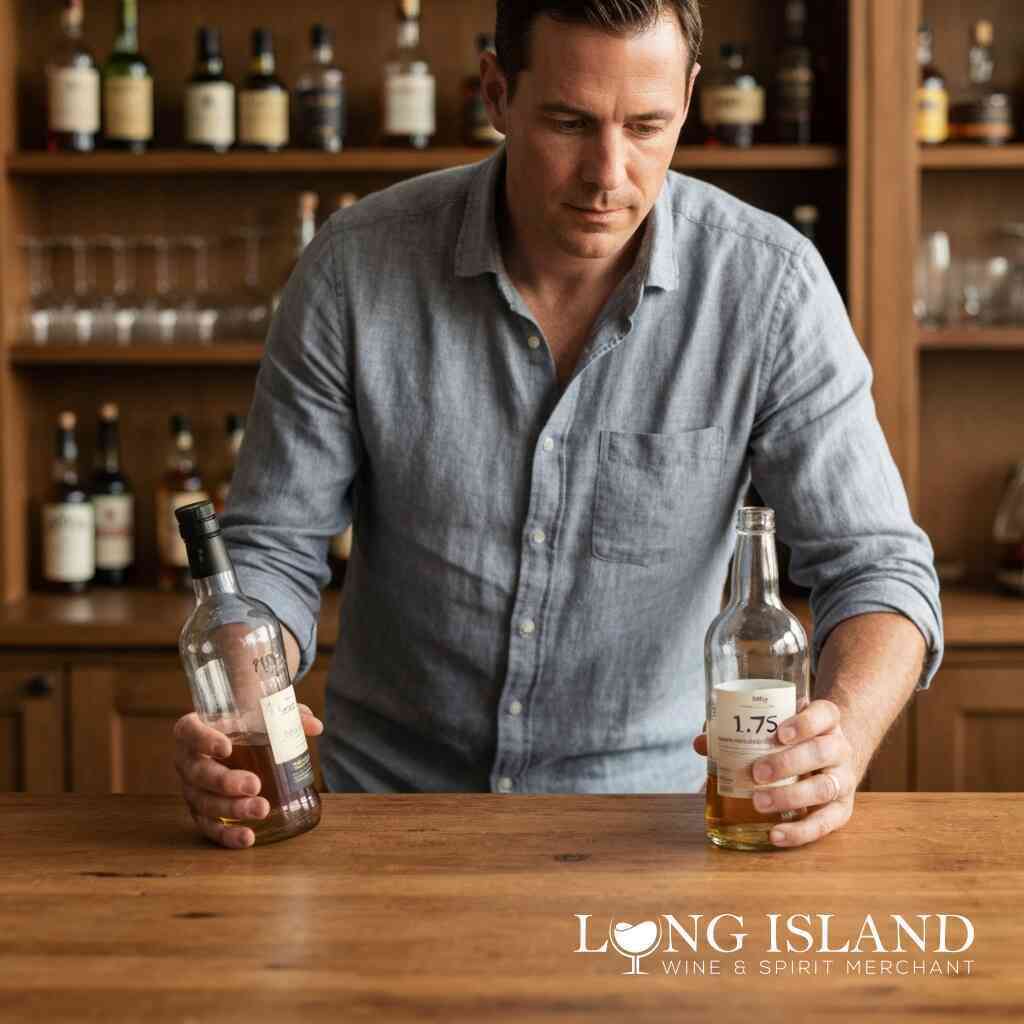
Understanding liquor bottle sizes is a foundational skill for any home bartender looking to host successful gatherings in Commack, New York. Whether you are stocking a casual bar cart or building an elaborate basement lounge, knowing the precise volume of your spirits ensures you always have enough on hand. Grasping these standard dimensions allows you to plan events accurately, budget efficiently, and mix cocktails with professional precision.
Standard Measurements and Regulations
The world of distilled spirits follows strict packaging guidelines set by the Alcohol and Tobacco Tax and Trade Bureau. These regulations establish specific metric volumes that manufacturers must use when bringing their products to the public. For a home bartender, recognizing these sizes makes organizing your inventory straightforward. Common formats include 50ml, 100ml, 200ml, 375ml, 750ml, 1-liter, and 1.75-liter containers. Because everyday staples adhere to these exact measurements, you can easily compare products and plan your shelf space regardless of the spirit type.
Choosing the Right Format for the Occasion
Experienced hosts in Commack know that the style and scale of an event dictate the ideal container volume. An intimate dinner party serving classic martinis typically requires only a standard 750ml format. This volume provides enough liquid for a small group without leaving you with excessive leftovers that might lose their distinct flavor over time.
If you are planning a large summer barbecue or a busy neighborhood gathering, stepping up to a 1.75-liter option is a practical choice. This larger format keeps the drinks flowing smoothly and prevents the dreaded scenario of running out of a base spirit halfway through the evening. Selecting the right volume minimizes waste and ensures your ingredients remain fresh for future use.
From Miniature Nips to Large Handles
The spectrum of available packaging covers every conceivable hosting scenario. On the smallest end, 50ml nip bottles, sometimes called airplane bottles, are excellent for sampling unfamiliar spirits without committing to a full purchase. They also make fantastic party favors for your guests.
Conversely, the 1.75-liter container, widely known as a handle due to its built-in grip, serves as the workhorse for frequently entertained crowds. Handles are perfect for versatile base spirits like vodka, rum, or tequila, which are heavily utilized in batch cocktails. Having a strategic mix of small samplers and large handles gives your setup incredible flexibility.
Storage and Shelf Life Considerations
When purchasing different volumes, it is vital to consider the shelf life of the spirit once opened. While high-proof liquors do not inherently spoil, exposure to air can alter their delicate tastes over time. A large handle of premium whiskey might take a year to finish, during which time the flavor can subtly change due to oxidation. If you consume a spirit slowly, sticking to standard 750ml or 375ml half-bottles might be the better strategy to preserve optimal flavor. Modifiers like sweet vermouth have a much shorter shelf life and must be refrigerated, making smaller formats highly recommended.
The Math Behind Perfect Cocktail Pours
Elevating your mixology skills requires a basic understanding of volume conversions. Most cocktail recipes utilize ounces, but spirits are consistently sold in milliliters. Bridging this gap is crucial for crafting perfectly balanced drinks.
A standard shot in the United States equals 1.5 ounces, which translates to roughly 44 milliliters. Knowing this conversion is the secret to consistency. When you measure accurately rather than pouring by intuition, you guarantee every drink maintains the intended flavor profile. A standard 750ml container holds approximately 25.4 ounces of liquid. Keeping these numbers in mind helps you scale recipes effortlessly when modifying a single drink into a pitcher.
Calculating Servings for Your Event
One of the most common questions when preparing for a party is exactly how many drinks you can expect from a single purchase. Using the standard 1.5-ounce pour as your baseline, a 750ml volume yields roughly 17 cocktails.
This calculation is incredibly valuable for detailed event planning. By estimating your guest count and multiplying it by the expected drinks per person, you determine exactly how much inventory to purchase. For example, if you expect ten guests enjoying two cocktails each, you need 20 total servings. Purchasing a single 750ml container falls short, so you should secure a second one or opt for a larger format. Accurate math prevents both overspending and understocked bars.
Maximizing Value for Your Home Bar
Building an impressive collection does not have to drain your budget. Smart shoppers evaluate the price per ounce across different formats to find the absolute best value. In almost all cases, the 1.75-liter handle offers a significantly lower cost per ounce compared to purchasing two separate 750ml containers.
While the upfront cost is higher, the long-term savings are substantial for the spirits you use most frequently. It is wise to balance this cost efficiency with your personal consumption habits. Purchasing massive volumes of niche liqueurs that require only a quarter-ounce per recipe is often counterproductive. Reserve bulk purchases for popular base spirits and stick to standard sizes for specialty items.
Mastering the Craft in 2026
As home entertaining trends continue to evolve throughout 2026, creating a professional-level experience in your own space has never been more rewarding. Mastering these foundational elements of volume, measurement, and targeted purchasing makes hosting practically stress-free. By applying these straightforward industry principles to your private collection, your home setup will operate with the reliable efficiency of a commercial establishment. You can confidently craft incredible beverages, knowing your inventory is perfectly tailored to your unique entertaining style.
Liquor Bottle Sizes Explained for Commack NY Home Bartenders


Comments
Post a Comment