Mastering Liquor Bottle Sizes for Summer 2026 Parties
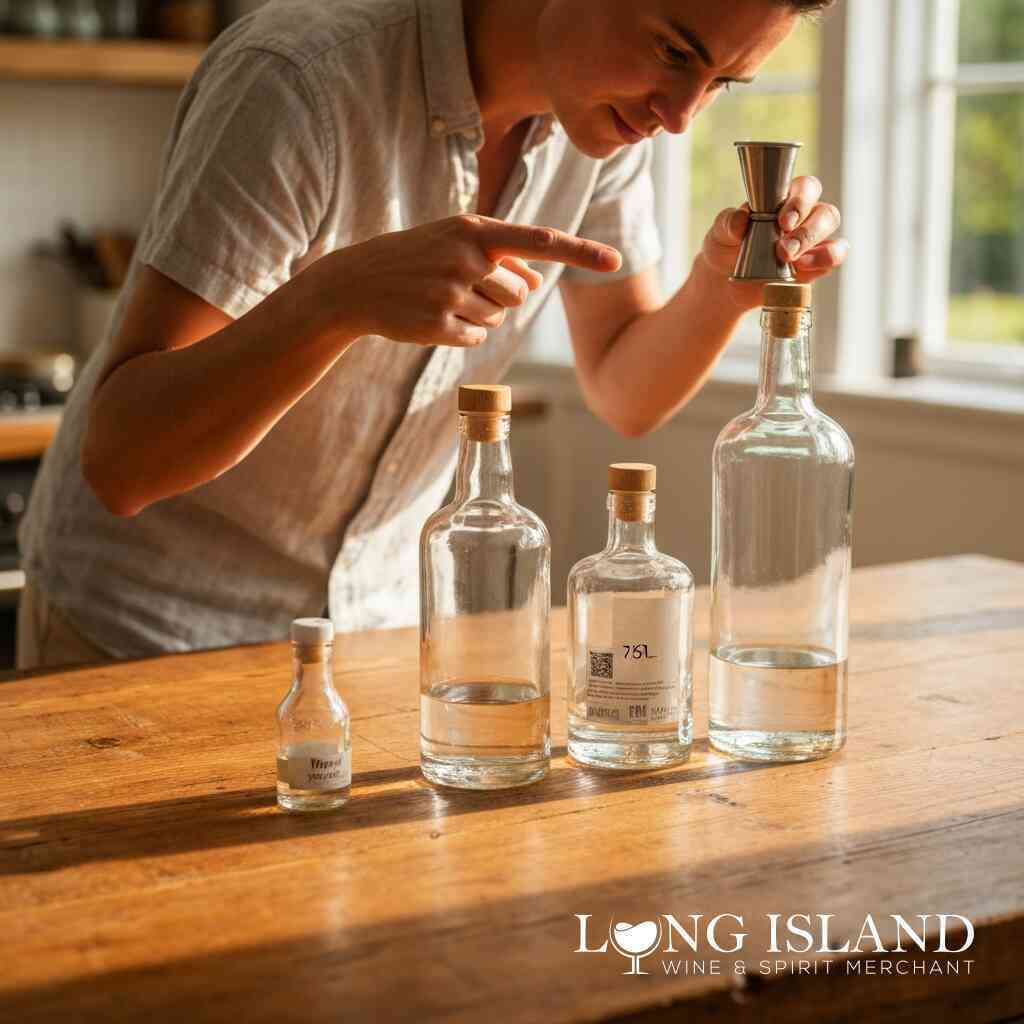
Properly calculating beverage inventory is critical when organizing a gathering. You need liquor for an upcoming summer 2026 party, but deciding which bottle sizes make the most sense for your guest list can be confusing. Choosing the right volume ensures the celebration runs smoothly without requiring unexpected store trips. Many hosts inadvertently overlook mixing math, leading to overflowing leftovers or an empty bar halfway through the night. Whether arranging a casual barbecue or an elegant dinner, understanding exactly what you need is the foundation of a successful event. Recognizing standard liquor bottle sizes allows you to manage both budget and beverage supply with absolute confidence.
Standard Bottle Sizes for Event Planning
When browsing a standard liquor store inventory, you will notice a variety of industry-standard volumes ranging from small single-serving containers to multi-liter jugs. Regulatory bodies established specific metric standards guiding what is available today. Most casual event planners rely heavily on the 750ml bottle, commonly referred to as a fifth. This specific size has become the universal standard due to an excellent balance of versatility, cost, and ease of storage.
However, stocking a truly diverse collection requires familiarity with other available options. Smaller formats, such as 200ml and 375ml bottles, provide a way to introduce variety without taking up excessive space. Recognizing the utility of these different sizes ensures you have enough foundational spirits to satisfy guests while keeping preparation areas free from unnecessary clutter.
A well-stocked serving station balances the desire for drink variety with practical realities of physical space. If your menu focuses on highly popular base spirits like bourbon or tequila, having multiple 750ml bottles is typically the safest approach for hosting. Conversely, if you plan to experiment with complex craft cocktails, integrating smaller bottles allows you to keep a wider range of specialty ingredients on hand.
Calculating Exact Pour Yields
A frequent question event organizers ask involves knowing exactly how many servings they can extract from a specific container. In the United States, a standard shot of liquor is defined as 1.5 ounces. Converted to the metric system, this equates to roughly 44 milliliters per pour. When evaluating a standard 750ml bottle, expect to yield approximately 17 standard pours. Knowing this baseline metric helps estimate exactly how much alcohol is needed based on the projected guest count and expected event duration. This simple calculation prevents running out of requested spirits during the peak hours of your summer festivities.
When scaling purchases up to a 1.75-liter bottle, commonly known as a handle, the math changes significantly in favor of large group events. A standard handle contains roughly 39 individual shots. This provides a massive, cost-effective supply for heavy mixers and popular base liquors like vodka or light rum. If your party focuses heavily on complex mixed drinks requiring multiple liquors, you may need a larger volume of the primary spirit to serve as the foundation. It is also wise to check the proof or alcohol by volume of chosen spirits, as higher-proof options often go much further in potent cocktail recipes. By keeping a mental conversion chart handy, mapping out a shopping list becomes straightforward.
Essential Metric and Imperial Conversions
Having a clear reference guide is the secret weapon for any experienced planner. A comprehensive mental or written size chart should translate metric measurements to ounce equivalents, ensuring you never guess pouring ratios. Most successful hosts begin the planning process by identifying frequently consumed spirits among their specific friend group and securing those items in larger bulk quantities.
Lesser-known liqueurs, vermouths, and specific modifiers can often be purchased in much smaller capacities to keep bar inventory fresh and budget-friendly. Referencing a standard measurement chart helps compare the physical footprint of selected bottles against actual table space available at your venue. Understanding the functional difference between measurement systems is crucial for organizers buying imported specialty items.
While the vast majority of modern bottles are labeled in milliliters, understanding the direct ounce equivalent helps visualize the actual liquid volume. A standard 750ml bottle contains approximately 25.4 fluid ounces. Moving up a size, a 1-liter bottle provides roughly 33.8 fluid ounces for custom mixing needs. This straightforward knowledge allows you to shop smarter, guaranteeing precise amounts of liquid ingredients required for every signature cocktail on a customized menu.
Strategic Stocking and Value Analysis
Executing a large-scale summer 2026 event requires a shift in strategy from standard personal shopping to bulk procurement. You must carefully look at the overall value proposition of each container size to ensure the party budget is utilized effectively. In many situations, purchasing a larger handle provides a substantially better price per ounce. However, this value is only realized if guests actually consume that specific volume.
Consider the specific type of event being organized this season. A relaxed daytime gathering might see higher consumption of refreshing mixed drinks built around clear spirits, necessitating larger bottles of those bases. An evening dinner party might lean heavily toward specialized sipping spirits, where smaller, premium 750ml bottles represent a better investment. Consistency in precise measurement and thoughtful procurement separates an average host from a truly great one.
Best Liquor Bottle Sizes for Summer 2026 Party Planning


Comments
Post a Comment