Liquor Bottle Sizes: 2026 Metric to Imperial Conversion Guide
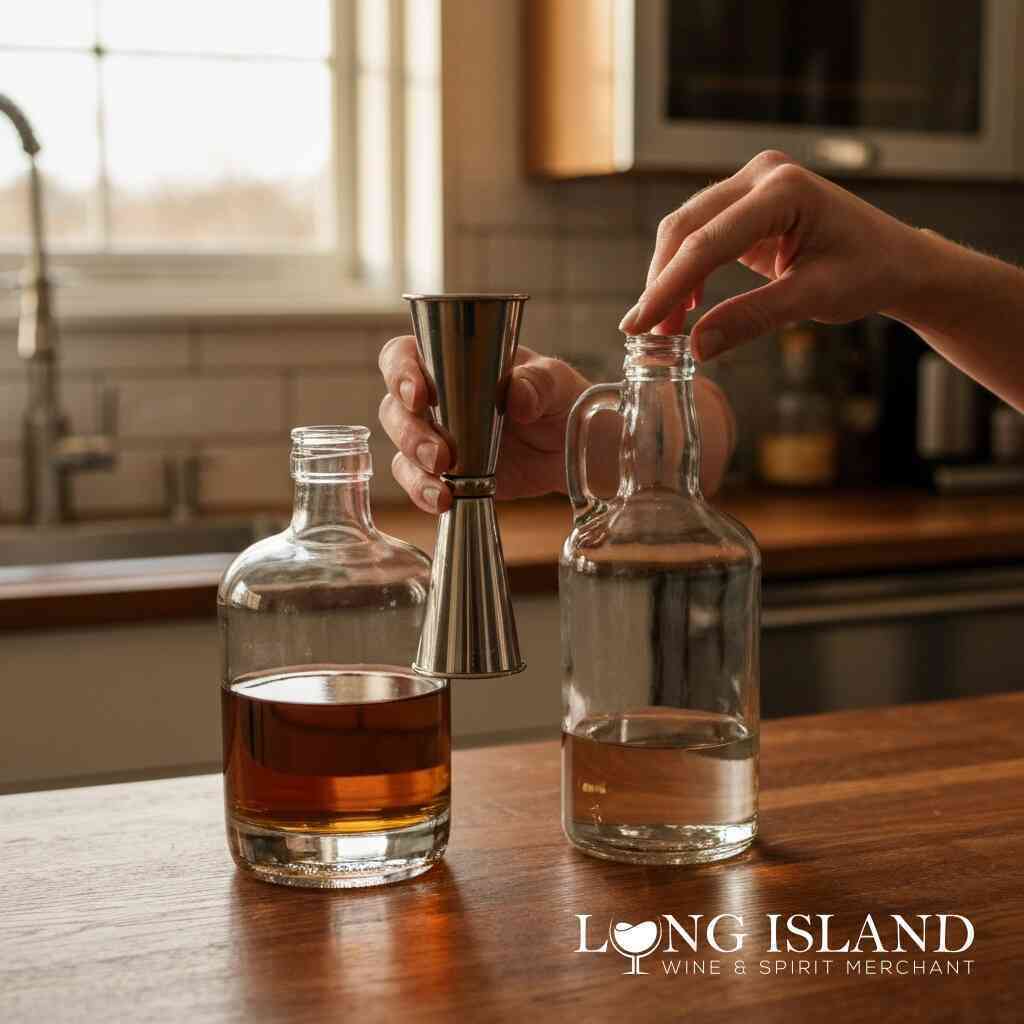
Planning a gathering often involves more than just selecting the right spirits; it requires a practical understanding of volume and measurement. Whether you are stocking a home bar for personal enjoyment or preparing for a large event, knowing your bottle sizes helps you manage your inventory effectively. This guide breaks down the industry standards and the simple math behind converting metric volumes to imperial measurements to help you shop with confidence in 2026.
Decoding the Language of Liquor Bottle Sizes
Navigating a liquor store can feel like deciphering a secret code if you are not familiar with industry standards. Most spirit bottles sold today use the metric system, with volumes listed in milliliters or liters. These global regulations ensure consistency in manufacturing and trade. Understanding these volumes is essential for planning your bar setup, as the container size dictates how much space you need and how many servings you can provide for your guests.
Why Metric to Imperial Conversion Matters
While most modern spirits are labeled in the metric system, many classic cocktail recipes still rely on imperial measurements. When you are mixing drinks, you often need to convert milliliters to fluid ounces to keep your ratios consistent. For instance, a standard shot is typically 1.5 ounces, which equates to approximately 44 milliliters. Mastering this conversion allows you to calculate your supplies accurately, ensuring you never run out during a celebration.
Beyond basic mixing, converting these volumes helps you compare prices effectively across different brands. By understanding how many ounces or shots are in a specific bottle, you can make informed decisions that help you stay within your budget. This practical approach to inventory management is the hallmark of a prepared host.
The Historical Evolution of Bottle Sizes
Liquor bottle sizing has undergone significant changes over the decades, shifting from gallon-based measurements to a more standardized metric system. Historically, spirits were sold in fractions of a gallon, which gave rise to the term "the fifth." This size represented one-fifth of a gallon, or roughly 757 milliliters. As global trade regulations evolved, the industry moved toward the 750ml bottle to improve manufacturing efficiency and international shipping standards.
Understanding this history explains why certain bottles feel familiar despite the change in labeling. Even today, the legacy of the gallon remains embedded in our language, and many people still refer to a 750ml bottle as a fifth. This historical context adds a layer of appreciation for the heritage behind modern spirits distribution.
Understanding TTB Regulations
The Alcohol and Tobacco Tax and Trade Bureau, or TTB, plays a critical role in standardizing how spirits are sold in the United States. These regulations ensure that you receive the exact volume promised on the label, protecting consumers from deceptive packaging practices. When you purchase a 1.75-liter handle, for example, you can trust that it meets specific legal requirements for volume.
These federal standards are especially important for consistency across different brands. Whether you are buying high-end bourbon or common mixers, TTB oversight ensures uniformity, which is particularly helpful when planning large events. Having a clear understanding of these regulations reinforces the value of buying standard sizes, as they allow for predictable planning and high-quality inventory management.
Calculating Servings for Your Event
One of the most practical applications of this knowledge is calculating how many drinks a bottle will yield. If you assume a standard serving is a 1.5-ounce pour, a 750ml bottle provides roughly 17 servings. Knowing this allows you to coordinate your bar supplies more precisely based on your expected guest list.
For larger gatherings, consider the benefit of purchasing a 1.75-liter handle. This size yields approximately 40 standard shots, making it a more efficient option for high-volume entertaining. By calculating your needs ahead of time, you can minimize waste and avoid the frustration of running out of supplies mid-party. Using these numbers to plan your bar allows you to focus on the enjoyment of the event rather than the logistics of the menu.
Best Practices for Your Home Bar
Ultimately, mastering the math behind your bottle sizes leads to a better experience for you and your guests. Start by inventorying what you currently have in milliliters and converting those amounts to ounces to visualize your available stock. Keep a simple conversion chart nearby if you frequently experiment with new cocktail recipes that use imperial units. This small step ensures your ratios remain perfect every time you pour.
By taking control of these metrics, you are not just buying liquor; you are preparing your space with professional precision. Whether you are stocking up for a seasonal celebration or a quiet evening at home, having a clear grasp of your volumes makes every aspect of your home bar more functional and enjoyable.
Shop Liquor Bottle Sizes Metric to Imperial Conversion 2026


Comments
Post a Comment