How to Host a Sophisticated Liquor Tasting on Long Island
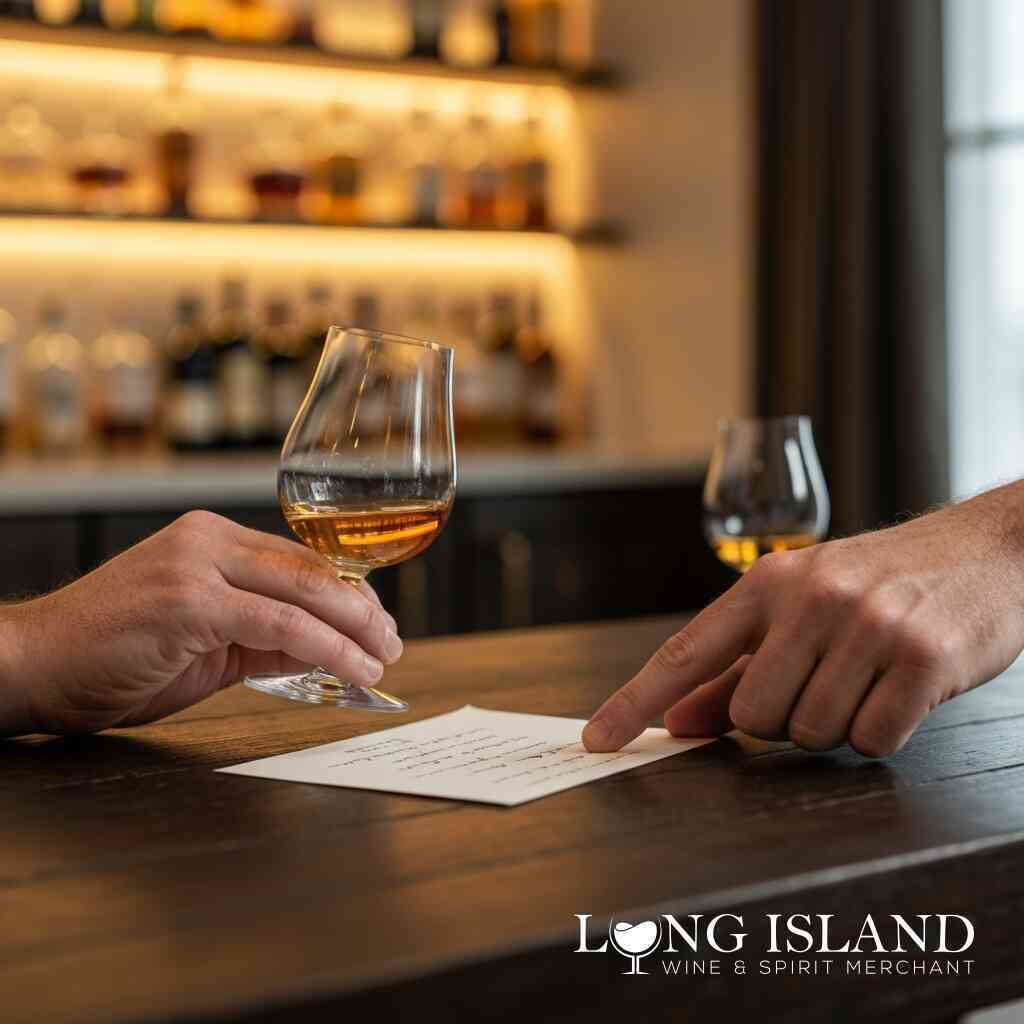
Hosting a private tasting event at home transforms a simple social gathering into a refined exploration of flavor, culture, and craftsmanship. Whether you are welcoming friends to a backyard in Commack or planning an intimate evening, the success of your event relies on intentional selection and careful preparation. By focusing on the narrative behind each bottle, you can provide an educational and memorable experience that resonates with your guests long after the final glass is cleared.
Curating a Sophisticated Tasting Journey
Successful events are built upon a clear vision and a passion for the craft. When hosting in a vibrant community like Long Island, guests appreciate a journey that feels structured and thoughtful. We recommend starting with a specific theme to provide the evening with a sense of purpose. For instance, consider a comparative flight that pits regional favorites against international classics, or focus on a specific production style, such as vintage spirits or small-batch innovations.
Providing tasting notes is an excellent way to guide your guests through the profile of each pour. Simple palate cleansers, such as neutral water and plain crackers, should be readily available to ensure everyone can fully appreciate the nuances of each spirit. The goal is to create an environment where conversation flows as easily as the libations you serve.
Setting the Stage for Your Gathering
Creating an intimate atmosphere begins with attention to the physical space. Proper lighting, comfortable seating, and a deliberate arrangement of your tasting flight can elevate the mood immediately. Choose a quiet location that minimizes distractions, allowing guests to focus on the sensory profile of the drink in their hand.
Consider the following setup tips:
- Use small, numbered glassware so guests can follow a guided progression.
- Arrange your flight from lighter, more delicate options to bolder, higher-proof spirits to prevent palate fatigue.
- Match your lighting and decor to the season; warm, ambient light works wonders for deep, aged spirits in the winter, while open, airy environments highlight the freshness of botanical gins during the summer.
Your role as a host is to facilitate discovery. A comfortable, prepared host helps foster a relaxed environment where questions are welcomed and observations are shared freely.
Choosing Spirits with a Story
Every bottle on your table should tell a story. When you share the history of a producer—such as their specific distillation techniques or their commitment to sustainable farming—the spirit becomes more than just liquid in a glass. We suggest mixing well-known labels with hidden gems to surprise even the most experienced connoisseurs in your group.
Focusing on a specific production philosophy can also add depth to your event. For example, contrasting mass-produced items with those crafted by small-batch masters allows for an insightful discussion on quality and technique. By explaining why a producer selects specific barrels or utilizes certain aging lengths, you connect your guests to the heart of the industry. This storytelling approach is exactly what distinguishes a casual social gathering from a truly sophisticated experience.
Balancing Palates with Diverse Selections
Maintaining a balance between bold flavors and approachable profiles is essential for a diverse group. When organizing a small-batch bourbon sampling, try offering a range of proof points. Beginners often appreciate the softer, sweeter notes found in wheated bourbons, while seasoned enthusiasts frequently gravitate toward the complex, spicy character of high-rye releases.
If you are showcasing rare whiskey, consider positioning it as the grand finale of your tasting. This respects the complexity and the value of the spirit while allowing guests to build their knowledge and palate naturally throughout the event.
Do not hesitate to include non-traditional options as well. A smooth Tennessee whiskey or a light, grain-forward Canadian spirit can serve as a bridge for those who are still discovering their personal preferences. A well-balanced flight is the hallmark of a considerate host who values the comfort and engagement of their guests.
Mastering Sensory Analysis
True appreciation of luxury spirits, such as single malt scotch or fine cognac, requires a willingness to slow down and observe. Encourage your guests to take the time to evaluate the appearance, the aroma, and the evolution of the flavor on the palate.
Start by observing the color and the way the liquid coats the glass. Next, allow the spirit to open up; sometimes a tiny drop of water can reveal hidden aromatic compounds in high-proof spirits. Finally, encourage your guests to discuss the finish—the lasting impression left after swallowing. By slowing the pace, you turn the simple act of drinking into an analytical and rewarding sensory experience.
By following these expert strategies, you ensure that your next tasting event is not only professional and organized but also a genuine pleasure for everyone involved.
Expert Tips for Hosting Long Island Liquor Store Tastings


Comments
Post a Comment