Home Bartending Guide: Understanding Liquor Bottle Sizes 2026
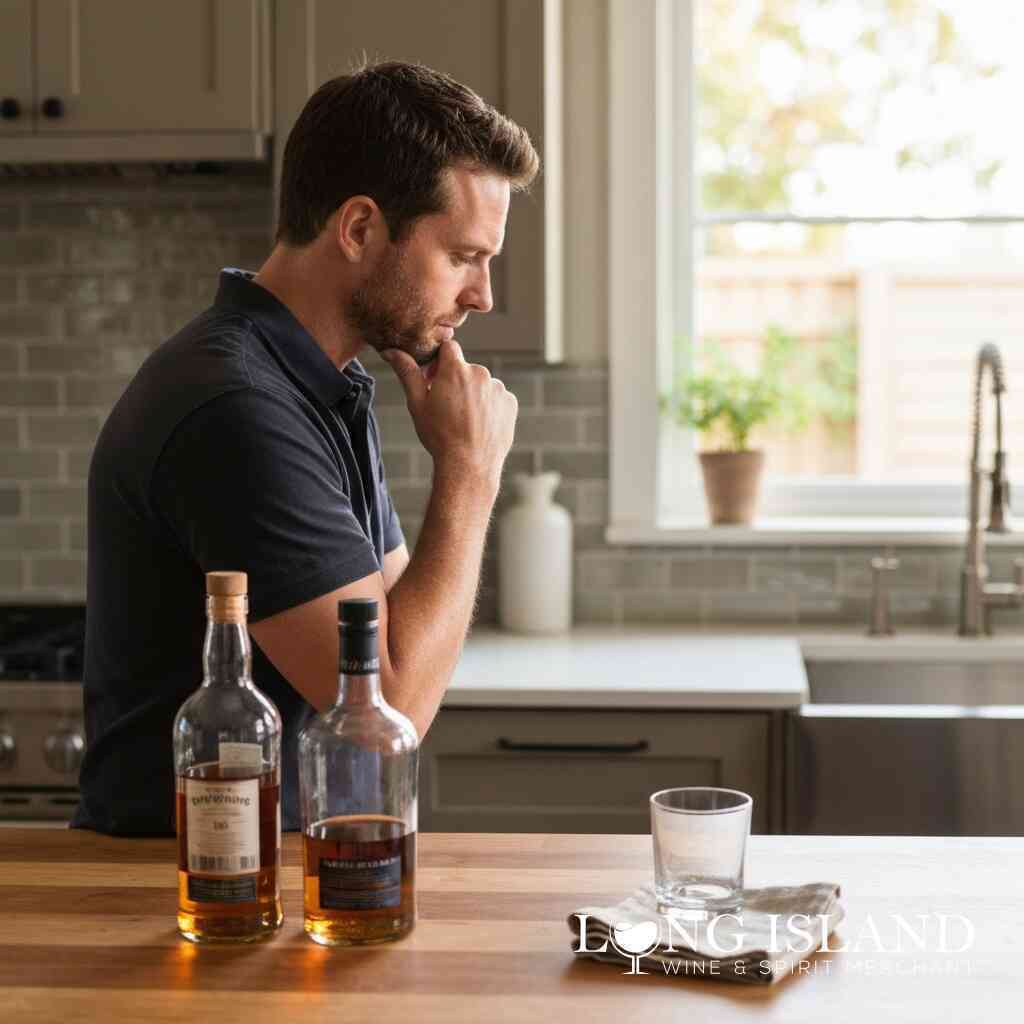
Building a functional home bar is an art form that balances aesthetics, cost, and practicality. As we move through 2026, many home bartenders are looking for ways to streamline their setup, ensuring they have the right spirits on hand without cluttering their space. Understanding standard liquor bottle sizes is the first step toward becoming a more confident and efficient host. Whether you are prepping for a quiet evening or hosting a larger social gathering, knowing your vessels ensures you have enough inventory to keep the drinks flowing smoothly.
Demystifying Standard Bottle Sizes
Navigating the aisle at a local spirits shop can feel overwhelming if you are unfamiliar with the industry standards. Containers come in a variety of shapes and capacities, each serving a unique purpose in your inventory:
- Miniatures (50 ml): Often called nips, these are perfect for sampling a new spirit before committing to a larger bottle or for creating thoughtful party favors.
- Half-Pints and Splits (200 ml and 375 ml): These sizes are ideal for smaller gatherings or recipes that require a specialty ingredient you do not use often.
- The Fifth (750 ml): The most common size in the industry, the 750 ml bottle is the standard for most home collections.
- The Liter (1 liter): A popular choice for high-volume spirits like vodka or gin that are used frequently in mixed drinks.
- The Handle (1.75 liter): Best suited for frequent entertainers, this size offers the best value per ounce for your most-used base spirits.
Mastering the Math of Mixing
Bartending relies on a blend of chemistry, math, and creativity. One of the most common hurdles for home hosts is mastering metric to imperial conversions. Because most bottles are sold in metric measurements while cocktail recipes are written in fluid ounces, keeping a conversion standard in mind is essential.
In most professional settings, one fluid ounce is considered approximately 30 ml. A standard cocktail pour is 1.5 ounces, which means a 750 ml bottle will yield roughly 17 standard servings. Having this quick math at your fingertips allows you to calculate how much alcohol you need for an event accurately. Keeping a small, simple conversion chart tucked near your jigger will help you avoid measuring mistakes and ensure that every drink you mix is balanced and consistent.
Stocking Your Essential Spirits
A well-curated home bar does not need to contain every spirit on the market. Instead, focus on a core selection of versatile base spirits. A solid foundation usually includes:
- Vodka: Neutral and versatile for a wide range of cocktails.
- Gin: Essential for botanical-forward drinks.
- Tequila: A must-have for refreshing margaritas and other agave-based classics.
- Whiskey: Both bourbon and rye are foundational for spirit-forward beverages.
- Modifiers: Keep a stock of vermouth, triple sec, and high-quality bitters to round out your flavor profiles.
By focusing on these essentials, you can mix a vast array of classic cocktails without overcrowding your bar. As your preferences evolve, you can gradually add more specialized bottles.
Strategy for Your Next Event
Hosting friends and family should be an enjoyable experience, not a source of stress. Strategic planning can turn a logistical challenge into a seamless process. When preparing for an event, estimate that each guest will consume about one or two drinks per hour. Multiplying your expected guest count by the estimated number of drinks per person will give you a target total for your inventory needs.
It is often wise to account for a slight buffer. Having an extra bottle on hand is always better than running out midway through the evening. If you find yourself with unopened bottles after the party, they can simply be stored in a cool, dark place for your next gathering.
Buying for Value and Storage
If you find that you frequently reach for the same base spirit, consider moving to larger "value" sizes. Purchasing a 1.75 liter handle can significantly lower your cost per ounce over time. However, this strategy is only effective if you have the space to store these larger vessels safely. If you are buying a niche spirit, such as a specialized liqueur or an intense amaro, it is better to stick to smaller bottles. This ensures the contents remain fresh and prevents oxidation from affecting the flavor profile over time.
By understanding how these volumes work and planning your inventory around your specific entertaining needs, you can maintain a sophisticated and functional bar. Take the time to evaluate your habits, measure your needs, and enjoy the craft of home bartending as you host your next event in 2026.
Liquor Bottle Sizes Guide for 2026 Long Island Home Bartenders


Comments
Post a Comment