Home Bar Guide: Mastering Liquor Bottle Sizes in Commack
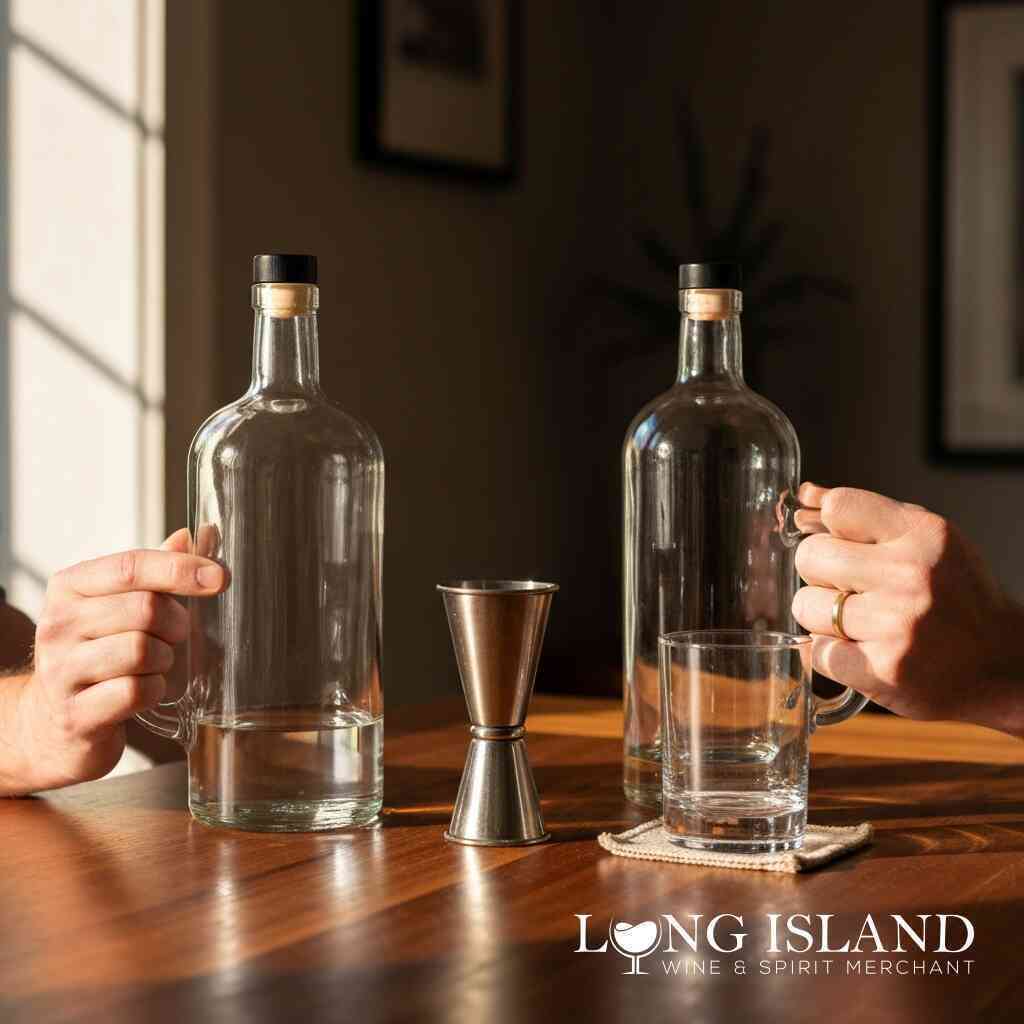
Building a sophisticated home bar involves more than just selecting high-quality spirits; it requires a practical understanding of bottle scale, storage, and guest needs. Whether you are hosting a festive gathering in your Suffolk County backyard or curating a private collection of rare spirits, selecting the right container sizes is essential for a professional experience. This guide explores how to choose the right vessels to ensure you never run dry while maximizing your home storage space.
Designing Your Ideal Home Bar Space
Creating a bar area that mirrors a professional setting is a rewarding project. Beyond aesthetics, functionality is the core of a great bar. It is about having the right ingredients ready at a moment's notice, whether you are hosting a quiet evening or a lively celebration. When you understand your inventory and the specific volumes of your bottles, you gain the confidence to host with ease and elegance. A well-stocked bar serves as the centerpiece of any social event, and focusing on essential sizes ensures your collection remains organized, accessible, and ready for any occasion.
The Importance of Strategic Sizing for Hosting
Hosting a successful event requires meticulous planning, especially regarding liquid refreshments. If you purchase too little, your guests might go home early; buy too much, and you face the challenge of cluttered shelves and open bottles that may lose quality over time. Selecting the correct liquor bottle sizing for parties in Commack helps you strike the perfect balance.
Consider the duration of your event and the expected consumption rate of your guests. For a large bash, a handle of vodka or gin might be a smart, cost-effective choice. Conversely, a 375ml bottle is far more appropriate for a quiet, intimate evening where variety is preferred over sheer volume. Aligning your purchases with your guest list helps you avoid excessive leftovers and ensures that your storage space is used effectively.
Metric Versus Imperial Standards
While many shoppers in the United States remain accustomed to fluid ounces, the spirits industry has transitioned toward global metric standards. Understanding the conversion between these systems prevents errors when scaling recipes or conducting a quick inventory check. Most spirits are now bottled in standard sizes: 50ml, 200ml, 375ml, 750ml, 1 liter, and 1.75 liters. Familiarizing yourself with these modern trends for 2026 will make your shopping trips much more efficient. Metric measurements allow for precise control over your pours and inventory management, ensuring you always know exactly how much of a particular ingredient remains.
Curating Your Essential Spirit Collection
A functional home bar requires a balanced selection of base spirits and modifiers. Start your collection by prioritizing high-quality, versatile staples: a clean vodka, a botanical-forward gin, a smooth bourbon, and a reliable white rum. To expand your repertoire, consider adding a bottle of tequila and a cognac for sipping during colder months.
Beyond base spirits, don't overlook essential liqueurs. Triple sec, blue curaçao, and a rich coffee liqueur are vital for classic cocktail staples like margaritas and espresso martinis. These additions provide the foundation needed for thousands of mixed drinks. Remember that a bit of variety goes a long way in satisfying diverse guest preferences, and having the right bottle sizes on hand ensures you can accommodate any request.
Understanding Bottle Terminology
If you have ever wondered why some bottles are referred to as a "fifth" while others are labeled as a "handle," you are certainly not alone. These nicknames have historical roots dating back to colonial times and early federal regulations. By mastering this terminology, you can communicate more clearly with shop staff and make smarter purchasing decisions.
The term "fifth" historically referred to a bottle that held exactly one-fifth of a US liquid gallon, which was approximately 757 milliliters. When the US adopted the metric system for spirits in the late twentieth century, the 750ml bottle became the new standard. While it is technically slightly smaller than the original fifth, it remains the universally recognized standard bottle size today. Understanding the history behind these measures connects you to the deep tradition of distilled spirits that defines modern cocktail culture.
From Miniatures to Handles
Liquor comes in an array of volumes to suit every possible occasion. Mini liquor bottles, often called airplane bottles, are perfect for party favors or for sampling a new spirit without committing to a full-sized container. At the opposite end of the spectrum is the handle, or 1.75-liter bottle, which offers the best value for frequent drinkers or hosts of large gatherings.
In between these two extremes, you have the pint, the half-pint, and the liter, each serving a specific storage or consumption need. By assessing your hosting habits and available space, you can customize your inventory to match your lifestyle. A well-curated bar is an investment in your hospitality, allowing you to focus on what truly matters: enjoying time with friends and family in your Commack home.
Essential Liquor Bottle Sizes for Every Commack Home Bar


Comments
Post a Comment