Choosing the Right Whiskey Bottle Size for Your Home Bar
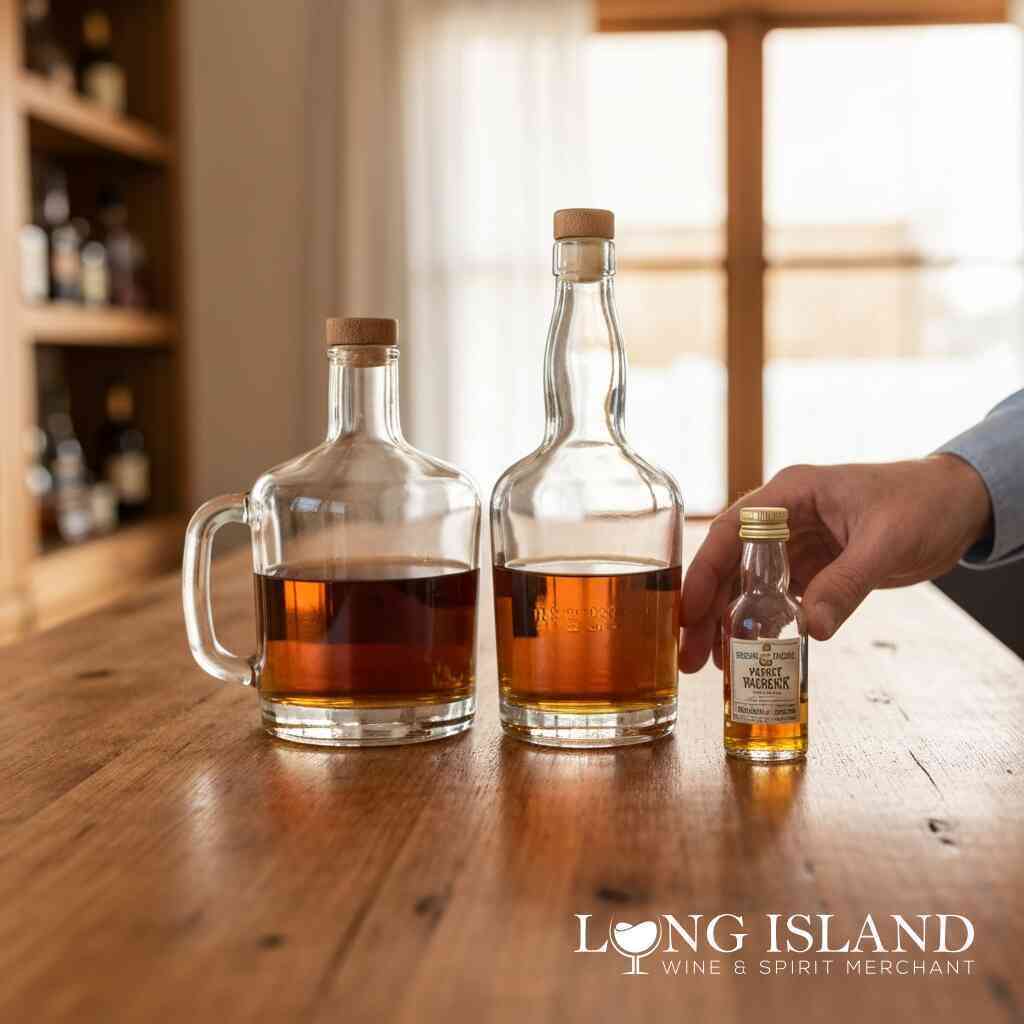
Building a balanced home bar requires more than just picking up labels that catch your eye. Choosing the right whiskey bottle size is essential for managing your inventory, budget, and storage space efficiently. Whether you are hosting a large event or simply enjoying a quiet nightcap, understanding the nuances of volume ensures your collection remains both functional and enjoyable throughout 2026.
The Strategy Behind Home Bar Curation
Creating a successful home bar starts with assessing how often you enjoy a pour and which spirits are your daily staples. Thoughtful curation prevents waste while ensuring you have enough for your favorite cocktails. Matching your consumption habits with available shelf space and your budget is the most effective approach to building a collection that stands the test of time.
Why Standardized Sizes Benefit Your Inventory
Managing a collection is much easier when you understand the physical space and liquid volume of each bottle. Bottles generally range from small miniatures to massive handles, each serving a specific purpose. Maintaining a healthy mix of these sizes allows you to sample new releases without the long-term commitment of a full-size bottle. This organizational approach ensures you are prepared for everything from spontaneous guests to a relaxing evening by yourself.
The Evolution of the Fifth
The term "fifth" is a historical relic from when bottles were filled with exactly one-fifth of a gallon. As the industry moved toward global standards, regulations transitioned to metric units. Today, labels clearly display these volumes, which helps with consistency across different states and retailers. Understanding this history clarifies why your standard whiskey bottle now holds exactly 750 milliliters of spirit.
Calculating Value Through Price Per Ounce
Smart enthusiasts often calculate the price per ounce to find the best value for their money. While a large handle of whiskey may appear expensive at the register, it frequently offers a significantly lower cost per serving than smaller formats. Before making a purchase, always look at the total fluid ounces available. This mathematical approach helps you stretch your budget further and keep your favorite shelves stocked with high-quality spirits.
Breaking Down Volumes: From Miniatures to Handles
Different occasions call for different quantities of spirit. Knowing the dimensions and volume of your bottles allows you to plan your logistics with precision. Whether you are prepping for a formal dinner or a casual weekend gathering, here is how the common bottle sizes stack up.
The Versatility of Miniatures
Miniature bottles serve a purpose beyond mere novelty. They are excellent for sampling rare expressions or new brands without a major financial investment. If you are hosting a gathering, they can also serve as sophisticated party favors or components of a curated gift set. For enthusiasts looking to explore the craft scene, these small volumes offer the perfect way to test new flavor profiles.
Fifth vs. Handle: Which Should You Choose?
Deciding between a standard 750ml fifth and a 1.75-liter handle is a matter of frequency and guest count. The fifth is the industry standard for most premium releases and provides a manageable volume for regular home enjoyment. If you host frequently, a handle is a much more practical choice, as it provides far more servings and reduces the need for constant trips to the store. Keeping a handle on hand ensures you are always ready to serve a group without worrying about running low.
Mastering Conversions for Better Cocktails
Precise measurements are the secret to mixing a professional-grade Old Fashioned or Manhattan. A standard shot in the United States typically equals 1.5 ounces. This means a standard 750ml bottle yields approximately 16 standard servings. If you are working with larger bottles, remember that one liter is roughly 33.8 ounces. By mastering these simple conversions, you can scale any recipe with confidence and ensure your cocktails are balanced and delicious every single time.
Curating a Sustainable Collection
As we navigate the selection of premium scotch, bourbon, and rye throughout 2026, keep these organizational tips in mind. Rotate your stock based on how quickly you finish certain bottles. If you notice a particular spirit is not getting much attention, consider trying it in a new cocktail recipe rather than letting it sit. Your home bar should be a living, breathing space that evolves with your palate. By prioritizing the right bottle sizes, you maintain a collection that is both impressive to guests and perfectly tailored to your own personal preferences. Enjoy the process of refining your bar, one pour at a time.
Comparing Top Whiskey Brands by Bottle Size at Shop Liquor


Comments
Post a Comment