Choosing the Best Spring Wines for Your Seasonal Gatherings
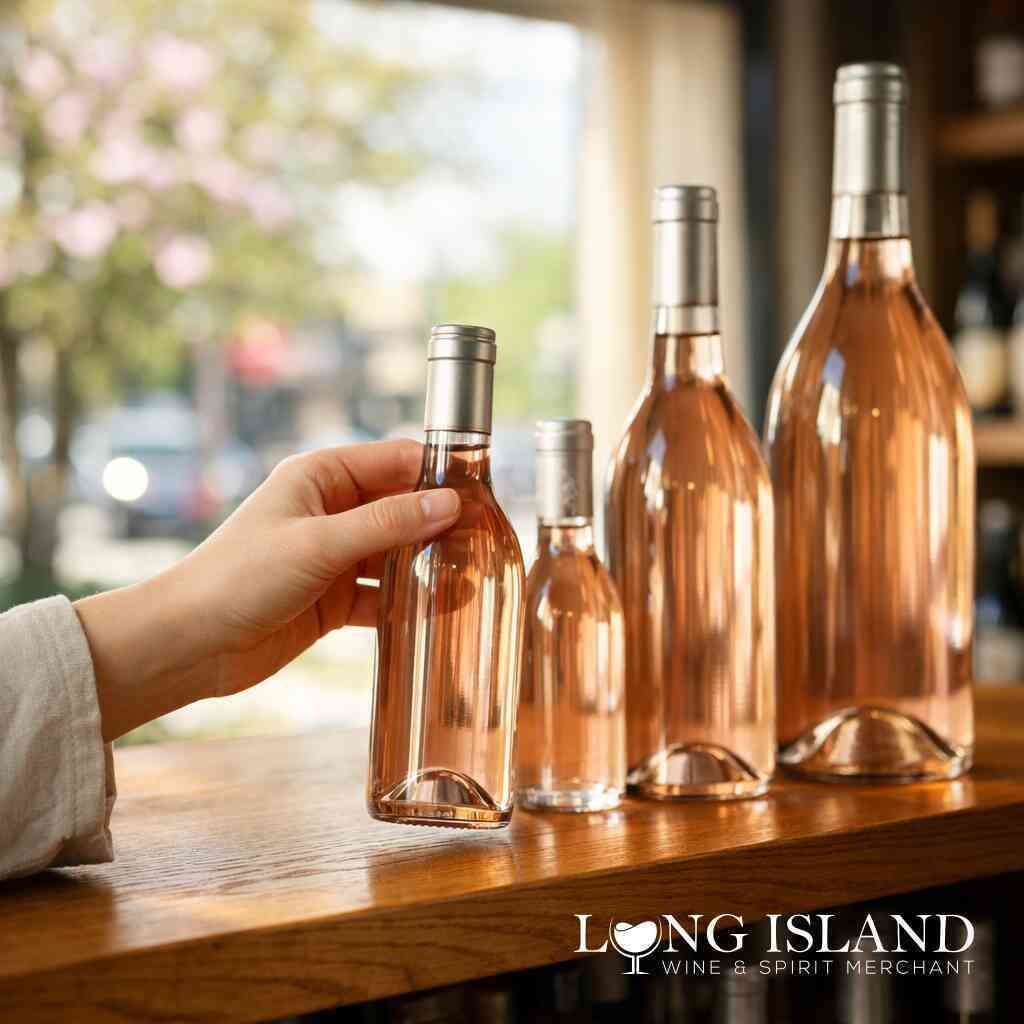
As the frost retreats and the landscape begins to bloom in May 2026, many of us find our preferences shifting toward lighter, more vibrant refreshments. Selecting the perfect wines for the warming weather can feel like a complex task given the vast array of choices. However, understanding how seasonal transitions influence our palates is the foundation of hosting a truly memorable gathering. This guide explores how to refine your selection process to perfectly match the energy of the spring season.
Embracing the Shift to Lighter Profiles
Transitioning your drink selection is a wonderful way to celebrate the change in seasons. While heavy, oak-forward spirits and full-bodied reds provide comfort during the depths of winter, they often feel cumbersome once temperatures begin to climb. By pivoting toward brighter acidity and floral notes, you align your home bar with the natural renewal happening outside your window. This transition is not just about changing bottles; it is about creating harmony, balance, and an overall sense of refreshment for your guests.
Lighter flavor profiles allow the nuanced characteristics of a wine or spirit to shine through without the weight of excess sugar or intense tannins. Crisp white wines or delicate botanical gins invite a complexity that complements the fresh ingredients often found in spring produce. These lighter profiles act as an effective palate cleanser, making them ideal for daytime events, garden parties, and outdoor social settings. By paying attention to alcohol content, you can select beverages that offer a gentle, pleasant experience, ensuring your guests remain engaged and comfortable throughout the day.
The Psychology of Seasonal Cravings
Seasonal shifts dictate our sensory desires in profound ways. As we move away from the hearty meals and fireplace evenings of winter, our cravings naturally incline toward items with high acidity and lower tannin structures. This behavioral change is both physiological and psychological, as we associate bright, chilled beverages with sunshine and warmth. Recognizing these shifts allows you to curate a collection that feels intentional and entirely appropriate for the season.
Whether you are shopping for a local event or simply restocking your kitchen, focusing on chilled, crisp selections is a reliable strategy. This approach helps you avoid heavy, cloying beverages that do not pair well with the lighter, fresher fare of the season. When you prioritize freshness and brightness, you ensure that every glass served feels like a reflection of the vibrant world around you.
Planning Your Beverage Volume
Selecting the correct volume of beverage is just as vital as choosing the flavor profile. As a host, the goal is to avoid running out of supplies while also preventing excessive waste. Planning your inventory based on your expected guest count and the duration of your event ensures that every pour is perfect.
Consider the following tips for managing your supply:
- Assess the gathering size: A standard 750ml bottle is perfect for intimate brunches, while larger formats may be necessary for festive outdoor dinners.
- Diversify your formats: Incorporating smaller bottles or individual portions can be a thoughtful touch for party favors or to provide variety for guests with different tastes.
- Account for the duration: Daytime events often require a slightly higher volume of lighter, low-ABV options compared to late-evening gatherings.
By planning your inventory ahead of time, you remove the stress from the hosting process and focus on the enjoyment of the moment.
Curating Your Spring Wine List
Curating a wine list requires an appreciation for the subtle dance between acidity, fruit, and floral aromatics. A well-curated selection tells a story, offering a sensory journey with every glass. When looking for the best spring wines, focus on producers who prioritize quality, balance, and sustainable viticulture.
Refreshing White Wines
During spring, look for white wines that dance on the tongue with vibrant characteristics. High acidity is the key here; it creates that signature crisp sensation that pairs beautifully with fresh seafood, goat cheese, or light garden salads. Keep an eye out for floral aromatics such as jasmine, orange blossom, or honeysuckle. These scents capture the essence of a blooming garden and make the wine feel significantly more connected to the time of year.
Exploring Light Red Wines
Warmer weather does not mean you have to abandon red wine entirely. The secret is to shift your focus toward lighter reds that possess lower tannins and fruit-forward profiles. Varietals like Pinot Noir or lighter styles of Gamay are excellent candidates. When served with a slight chill—often referred to as a cellar temperature—these wines become incredibly refreshing. They provide enough structure to pair with grilled spring vegetables or lighter proteins without feeling too heavy or overwhelming on a sunny afternoon.
The Versatility of Dry Rosé
Perhaps no wine is more synonymous with the arrival of spring than a chilled, dry rosé. Its versatility is unmatched, as it bridges the gap between the structure of a red and the brightness of a white. With subtle notes of strawberry, watermelon, or citrus, a dry rosé is the ultimate companion for everything from delicate spring greens to savory picnic appetizers. Always ensure you have a bottle or two on hand, as it is a crowd-pleasing option that consistently hits the right notes as the weather turns warm.
How Shop Liquor Bottle Sizes Picks the Best Spring Wines


Comments
Post a Comment