A Guide to Liquor Bottle Sizes and Standard Spirit Measures
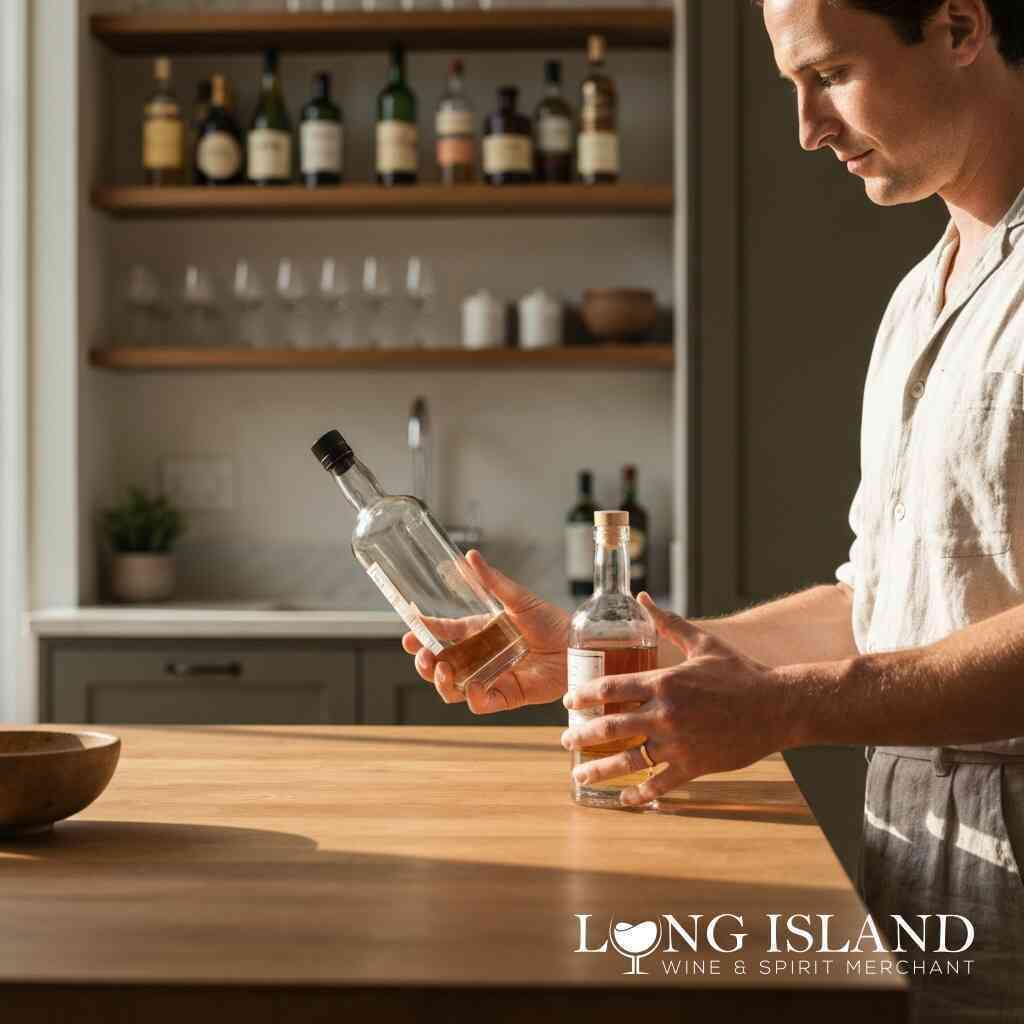
Navigating Liquor Bottle Sizes for Your Home Bar
Buying spirits for a party or a home collection can often feel like a guessing game if you are unfamiliar with standard container volumes. Whether you are stocking up for a weekend gathering or looking to optimize your bar shelf storage, understanding the differences between common sizes is essential. This guide demystifies the language of spirit measures to ensure you purchase exactly what you need without overspending or falling short.
Why Understanding Bottle Volume Matters
Beyond simple trivia, knowing how much liquid is in a bottle is a practical skill for any host or enthusiast. When you walk into a store, the variety of options can be overwhelming. Standardized sizing allows you to track your inventory effectively and ensures your bar is always ready for a toast. By understanding the footprint of different containers, you can organize your home collection more efficiently, maximizing your shelf space while avoiding the clutter of half-empty bottles.
Breaking Down Metric and Imperial Standards
While we often use traditional terms like "nips" or "handles" in casual conversation, the industry relies on a consistent metric system for accuracy. Grasping the conversion between these terms and their actual volume in milliliters (ml) helps you compare prices and values between brands with confidence.
- Miniatures (Nips): Typically holding 50ml, these are ideal for sampling new products without the commitment of a full-sized bottle.
- Half Pints and Pints: Smaller format bottles that serve as a bridge between travel sizes and standard offerings.
- The Fifth (750ml): The global standard for spirits and wine, representing the most common size found on retail shelves.
- The Handle (1.75 Liters): The largest standard retail size, perfect for high-traffic events where bulk purchasing is required for efficiency.
Understanding these transitions allows you to make informed decisions. When you compare the price-per-ounce across these sizes, you can quickly determine which format offers the best value for your specific needs.
The Evolution of the Standard Fifth
The term "fifth" is a historical relic, originating from a time when bottles were measured as one-fifth of a gallon. As regulatory requirements shifted toward global standardization, the industry adopted the 750ml measure as the uniform benchmark. This transition simplified international trade and provided consumers with clearer labeling. Today, this consistency ensures that when you see a standard bottle, you know exactly how much liquid you are receiving, which builds trust and maintains quality standards across the industry.
Practical Math for Hosting Success
Hosting a successful event is all about preparation. Nobody wants to run out of gin or bourbon mid-party. By applying a little bit of math to your guest list, you can plan your inventory with precision.
How Many Shots in a Bottle?
A standard pour in a professional bar is 1.5 ounces, which is roughly 44 milliliters. Using this as a baseline, a standard 750ml bottle yields approximately 17 individual shots. If you are planning a wedding or a large dinner party, this figure is a vital tool for your shopping list.
When calculating for a crowd, we generally recommend rounding up your estimates. It is always better to have a small amount remaining than to run out prematurely. Use this 17-shot average to scale your requirements based on the number of guests and the expected duration of your event.
Strategic Purchasing for the Home Bar
Bulk purchasing can be a highly economical way to enjoy your favorite spirits, provided you consume them regularly. A 1.75-liter handle of vodka or tequila almost always carries a lower price per ounce compared to the smaller 750ml equivalent. If you know you will utilize the entire bottle over time, buying larger formats is a smart financial move.
Conversely, if you are experimenting with new spirits or cocktails, stick to smaller sizes or standard 750ml bottles. This prevents the issue of having expensive, underutilized products gathering dust on your shelves. Exploring new brands is half the fun of building a home bar, and buying smaller quantities allows you to diversify your collection without overcommitting your budget.
Final Thoughts on Inventory Management
Becoming the master of your own bar involves a blend of preparation and practical knowledge. By treating your liquor shopping like an organized inventory task rather than an impulse buy, you save time, reduce waste, and ensure your home collection remains a source of enjoyment. Use this overview to navigate your next trip to the store with confidence, knowing you have the right measurements for every occasion.
Shop Liquor Bottle Sizes Guide to Standard Spirit Measures


Comments
Post a Comment