A Complete Guide to Understanding Standard Liquor Bottle Sizes
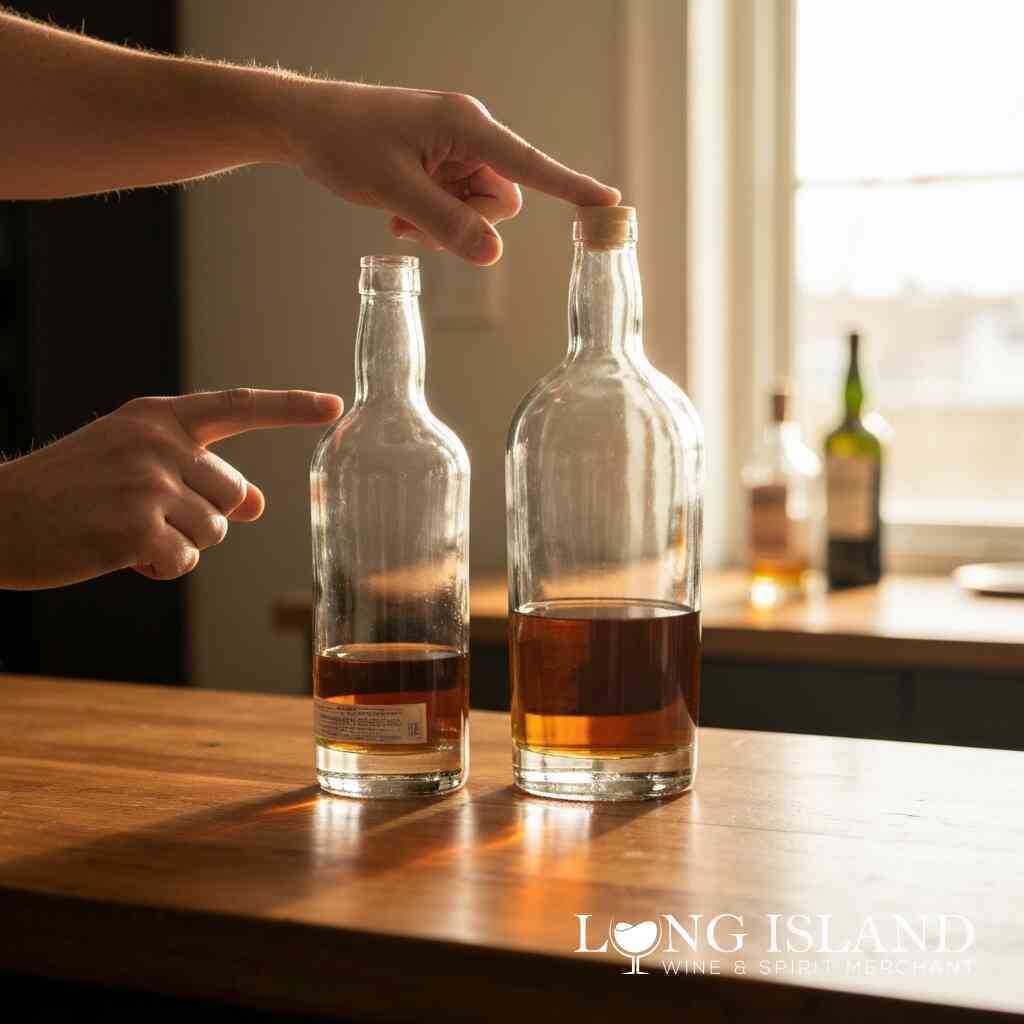
Whether you are stocking a home bar for the first time or planning a large-scale event for 2026, understanding standard liquor bottle sizes is essential for any host. Selecting the right volume not only impacts your budget but also ensures you have exactly what you need to keep the drinks flowing. This guide breaks down the industry standards, measurements, and practical planning strategies to help you manage your inventory with confidence.
Decoding Industry Standards and Metric Measurements
The Alcohol and Tobacco Tax and Trade Bureau establishes the legal container sizes for spirits sold in the United States. While many consumers are familiar with imperial units, the industry transitioned to the metric system decades ago to align with international trade practices. Today, when you shop for spirits, you will notice bottles labeled in milliliters (ml) or liters (L).
Standard sizes you will commonly encounter include:
- 50ml: Often called a nip or miniature, this size is perfect for single servings or tasting flights.
- 200ml: Frequently referred to as a flask, this size offers a compact option for travel or smaller gatherings.
- 375ml: Known as a half-bottle, this is a popular choice for those wanting a smaller supply without committing to a full-sized bottle.
- 750ml: The industry backbone, commonly known as a fifth.
- 1.75L: Known as a handle, this is the largest standard size, designed for heavy-duty entertaining and cost-effective bulk purchases.
The Historical Context of the Fifth
Many people still refer to the standard 750ml bottle as a "fifth." This nickname is a nod to history, originating from a time when alcohol was sold by the gallon. A bottle represented one-fifth of a gallon, which historically translated to roughly 757 milliliters. When the industry adopted formal metric standardization, the volume was adjusted to the 750ml format we see on shelves today. Despite this slight numerical shift, the name remains deeply rooted in cocktail culture and trade vernacular, representing the standard unit for staples like vodka, whiskey, and rum.
Why Metric to Ounce Conversion Matters
Understanding the relationship between milliliters and fluid ounces is vital for precise drink preparation and inventory management. A standard 750ml bottle contains approximately 25.4 fluid ounces. If you are serving standard cocktails that require a 1.5-ounce pour, one 750ml bottle will yield roughly seventeen drinks.
Mastering this math prevents the common pitfall of running out of supplies mid-party. Furthermore, it helps you evaluate your budget more effectively. By knowing the exact volume of liquid in each container, you can calculate the price per ounce. This is especially useful when comparing premium labels against value-oriented options or deciding whether to purchase a handle for frequently used mixers.
Practical Planning for Your Next Event
Hosting a successful gathering in 2026 requires more than just picking a good spirit; it requires logistics. When you plan a wedding, holiday party, or backyard event, think about your total volume requirements rather than individual bottle counts. Estimating based on your guest list helps maintain a professional, well-stocked bar.
For example, if you anticipate hosting a large group, a 1.75-liter handle is a wise investment for well-liquors or popular mixers, as it provides approximately 40 standard 1.5-ounce pours. For specialty spirits or rare bottles meant for sipping, the 750ml size remains the superior choice, as it ensures freshness and focuses on quality over sheer quantity.
Strategy for Your Home Bar
Your home bar inventory should reflect your personal tastes and the frequency of your hosting duties. If you frequently entertain, keeping a variety of sizes on hand is a smart strategy. Small bottles are excellent for experimentation, allowing you to try new spirits without a significant financial commitment. Conversely, buying your go-to spirits in larger formats, like the 1.75-liter handle, often leads to long-term savings through lower per-ounce pricing.
When organizing your collection, consider the shelf life of your ingredients. While base spirits like whiskey and vodka are stable, understanding the volume you have allows you to track consumption patterns. Regularly assessing your stock ensures you are always prepared for an impromptu gathering or a quiet evening cocktail, eliminating the stress of last-minute trips to the store.
By focusing on these industry standards and taking the time to calculate your specific needs, you can transform your approach to buying liquor. Whether you are a casual host or a seasoned mixologist, the right vessel is just as important as the quality of the spirit inside.
Standard Liquor Bottle Sizes for Every Type of Spirit


Comments
Post a Comment