Understanding Cognac Bottle Sizes: From Miniature to Magnum
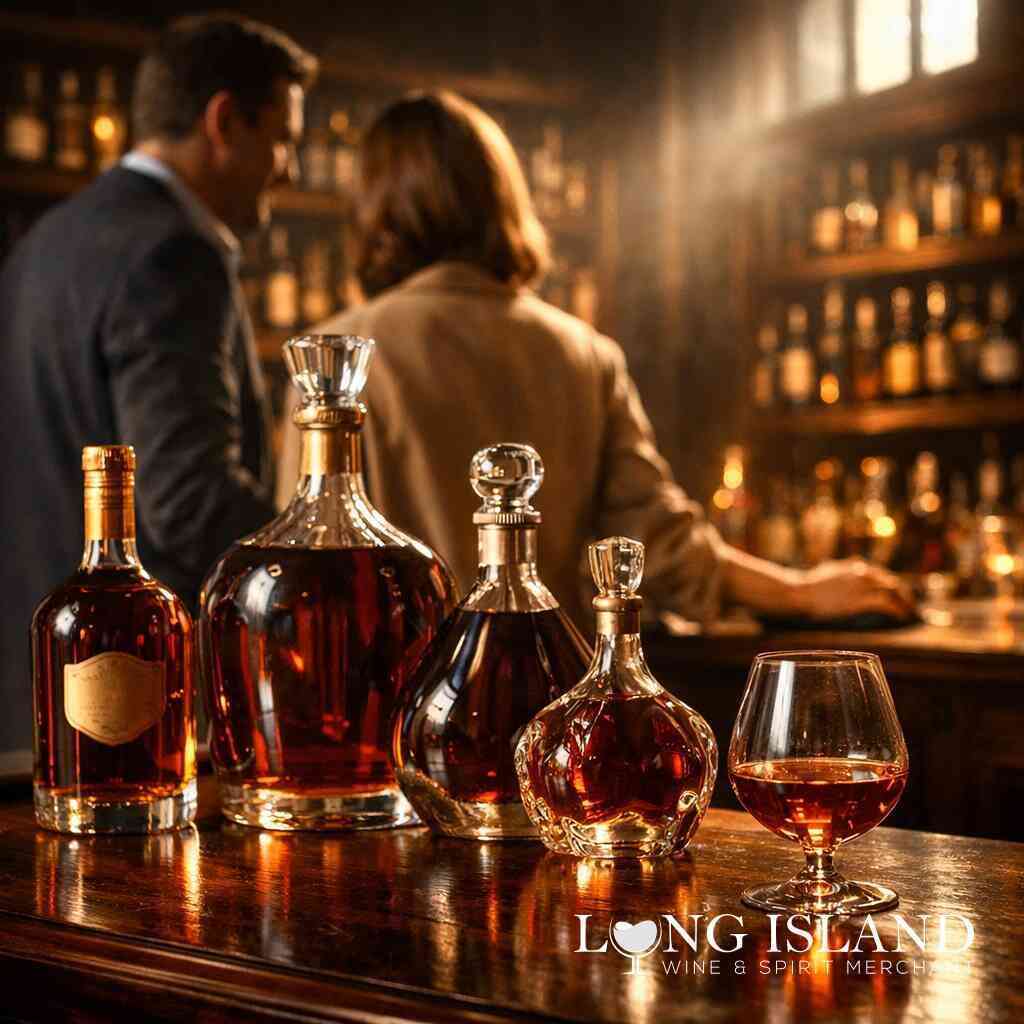
Cognac bottle sizes play a crucial role in how enthusiasts experience, collect, and present this prestigious spirit. Whether you are selecting a standard bottle for personal enjoyment or seeking an impressive magnum for a special celebration in 2026, understanding the full spectrum of available formats enhances your appreciation of fine spirits and helps you make informed purchasing decisions.
The Standard 750ml Format
The 750 milliliter bottle serves as the universal benchmark in the cognac industry. This size has dominated premium spirits for centuries, originally stemming from the average lung capacity of historical glassblowers who created these vessels by hand. Standing approximately eleven to twelve inches tall, these bottles balance elegance with practicality, fitting comfortably in standard bar cabinets and wine refrigerators.
The standard format offers several distinct advantages for both newcomers and seasoned collectors. It provides enough volume for multiple tasting sessions without overwhelming your storage space or budget. The proportions fit comfortably in standard wine racks and bar carts, making them ideal for home display. When browsing selections in 2026, you will find that most cognac houses reserve their core expressions for this familiar size, making it the ideal entry point for exploring different styles, vintages, and aging categories.
Additionally, the 750ml standard creates consistency across the industry. This uniformity allows connoisseurs to compare different houses and vintages fairly, knowing that each bottle contains identical liquid volumes. It also simplifies pricing comparisons and inventory management for collectors building diverse cellars.
Architecture and Historical Significance
Cognac bottle architecture extends far beyond mere liquid containment. The design elements communicate brand heritage, regional identity, and production philosophy. Traditional bottles often feature rounded shoulders and short necks, designs originally intended to trap sediment during the decanting process. These shapes frequently pay homage to the pot stills used in distillation, creating visual continuity between the production process and final presentation.
Modern houses sometimes depart from these conventions, employing sleek, angular silhouettes or artistically distorted forms that signal innovation while respecting tradition. Each curve, label placement, and closure type tells a story about the cognac house's history and the specific terroir of the Grande Champagne, Petite Champagne, or Borderies regions. Understanding these design choices deepens your connection to the spirit and helps you identify authentic expressions when building your collection.
The weight and feel of the glass itself also indicate quality. Premium cognacs typically utilize heavier, more substantial bottles that signal the care taken in their contents. This tactile experience forms part of the overall enjoyment, from the moment you lift the bottle from your shelf to the final pour.
From Miniature to Magnum: The Size Spectrum
Cognac availability spans an impressive range of volumes, each suited to specific occasions, budgets, and purposes.
Miniature bottles containing 50 milliliters offer practical solutions for sampling rare expressions without committing to full-size purchases. These travel-friendly formats allow you to explore multiple houses and age statements before investing in larger bottles. They also make elegant accompaniments to gift baskets, wedding favors, or corporate hospitality packages where variety matters more than volume.
Moving upward, the 750ml standard gives way to celebratory large formats. The Magnum holds 1.5 liters and represents the first significant step into serious collecting. These bottles often feature modified aging dynamics due to increased liquid-to-air ratios, potentially developing more complex profiles over time. The presentation impact of a magnum on a dinner table immediately signals a special occasion.
Collectors in 2026 increasingly seek Jeroboams (3 liters) and Rehoboams (4.5 liters) for milestone celebrations and investment purposes. These impressive vessels command attention at dinner parties and weddings while offering superior aging potential due to their substantial volume. Beyond these, formats like the Methuselah (6 liters) and Salmanazar (9 liters) appear primarily in limited editions and estate releases, representing the absolute pinnacle of cognac presentation and rarely seen outside exclusive auctions or private sales.
Large Formats and Limited Editions
Serious collectors recognize that large format cognacs transcend mere beverage status. These bottles function as centerpieces and legacy pieces, often appreciating in value beyond their liquid contents. Limited edition releases in magnum or larger sizes typically feature extended aging periods, rare eaux-de-vie selections, and bespoke packaging that justifies their premium positioning.
When selecting large format bottles for your collection, consider both display and storage requirements carefully. These vessels require reinforced shelving and climate-controlled environments to preserve their integrity over decades. The investment extends beyond the purchase price to include proper housing and eventual serving logistics, as these bottles often require special decanting equipment and multiple guests to enjoy responsibly.
Many collectors view large formats as generational investments, purchasing them to commemorate births, weddings, or business milestones with the intention of opening them decades later. The ceremony of breaking the seal on a thirty-year-old jeroboam creates memories that transcend the tasting notes themselves.
Practical Selection Guidelines
Choosing the right cognac bottle size depends on your intended use, storage capabilities, and timeline. For immediate consumption and regular tasting to develop your palate, standard 750ml bottles provide optimal freshness and manageability. They allow you to experience the evolution of an open bottle over several weeks without oxidation concerns.
If you are planning a significant event in 2026, consider magnums for their dramatic presentation and ability to maintain consistent serving temperature throughout the evening. Large formats also eliminate the awkwardness of multiple empty bottles cluttering a refined table setting.
Collectors should focus on provenance and storage history when acquiring large formats. The increased volume means longer aging potential but also greater vulnerability to temperature fluctuations and light exposure. Always verify that oversized bottles have been stored properly, ideally horizontally for cork-sealed varieties, and protected from vibration and ultraviolet light.
Understanding cognac bottle dimensions and capacities transforms your purchasing decisions from simple transactions into informed acquisitions. Whether you select a modest miniature for educational exploration or a commanding magnum for your cellar, each size offers unique advantages in your journey through the world of fine cognac. The right bottle enhances not just the spirit inside, but the entire experience of sharing and savoring one of France's most treasured exports.
Explore Cognac Bottle Sizes Available at Liquor Store Open 2026


Comments
Post a Comment