Top Tequila Picks for 2026: A Guide from Long Island Experts
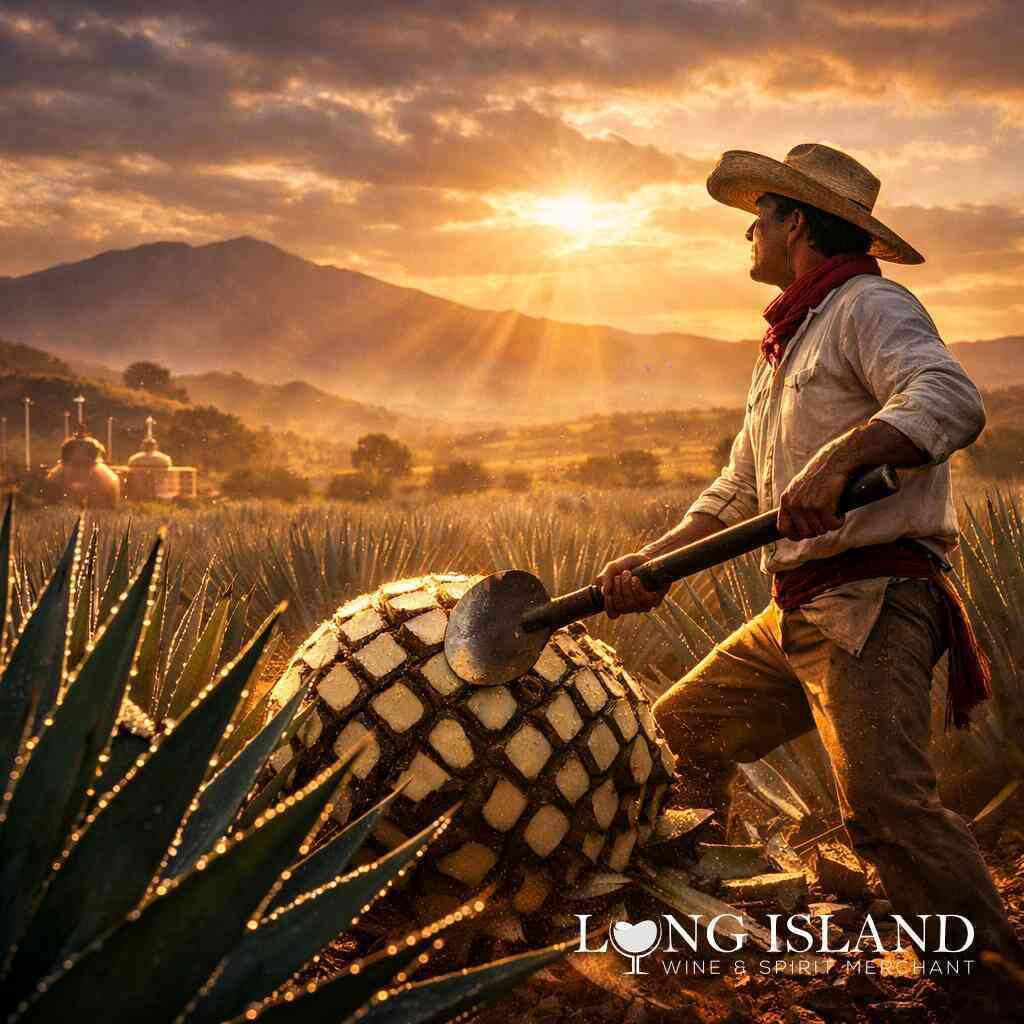
The world of tequila is evolving, with 2026 marking a year where authenticity, transparency, and craftsmanship are paramount. For the discerning enthusiast, the journey to an exceptional bottle begins with understanding the core principles that define modern premium spirits. This guide explores the key trends and considerations shaping the top tequila selections for the year, focusing on the elements that create a truly remarkable agave experience.
The Foundation: Blue Weber Agave and Provenance
At the heart of every great tequila is the Blue Weber agave. This singular plant, cultivated in the designated regions of Mexico, is the soul of the spirit. The current renaissance in tequila appreciation is deeply rooted in a respect for this raw material and a demand for clear provenance. Discerning drinkers now seek bottles that tell a complete story—from the sun-drenched field where the agave was grown to the distillery where it was crafted.
This movement toward transparency is supported by crucial verifications. Every authentic tequila bottle carries a NOM (Norma Oficial Mexicana) number, which confirms its legitimate production at a registered Mexican distillery. Furthermore, many leading producers champion estate-grown agave, where cultivation is meticulously controlled on a specific parcel of land. This practice, often referred to as showcasing "terroir," results in a purer, more distinctive flavor profile that speaks directly to its origin.
Sustainable Practices and Heritage Craftsmanship
The future of tequila is intrinsically linked to the health of the agave landscape. Forward-thinking distilleries are increasingly adopting sustainable farming methods to ensure soil vitality and the longevity of harvests for generations to come. This ethical approach to agriculture is a critical consideration for the conscious consumer in 2026.
Complementing these sustainable efforts is the irreplaceable skill of the jimador. Using the traditional coa tool, these harvesters employ heritage techniques passed down through centuries to select and harvest only the ripest agave piñas. This human craftsmanship, which minimizes waste and respects the plant, is essential for yielding the highest quality raw material. The best tequilas available today are a product of this symbiotic relationship between responsible agriculture and time-honored skill.
The Architecture of Flavor: Terroir and Technique
The transformation of agave piña into a refined spirit is where the true architecture of flavor is built. This process is a masterful balance of geography, tradition, and technology. Two primary factors define a tequila's character: the terroir where the agave was grown and the production methods used in the distillery.
The concept of terroir creates a fascinating divergence in profiles. Highland agave, grown in the elevated regions of Jalisco, typically produces tequilas with pronounced floral, citrus, and sweet fruit notes. This is often attributed to the region's richer, red volcanic soil and cooler nights. In contrast, Lowland agave, from the valley areas, tends to yield spirits with more earthy, herbal, and peppery characteristics, influenced by clay-heavy soil and a warmer climate. Understanding this distinction helps enthusiasts navigate the spectrum of flavors.
Production techniques further sculpt the final spirit. Traditional methods like the tahona stone, a large volcanic wheel used to crush cooked agave, are prized for extracting a robust, complex flavor. Similarly, distillation in copper pot stills is favored for its ability to refine the spirit while preserving desirable aromatic compounds. These are not mere historical artifacts but deliberate choices by artisans to create specific, nuanced expressions.
Navigating Your 2026 Tequila Journey
With a foundation in these principles, exploring top tequila picks becomes a more informed and rewarding experience. The market in 2026 offers an incredible array of options, from vibrant, unaged Blancos that showcase the pure essence of agave to complex, barrel-aged Añejos and Extra Añejos that introduce notes of vanilla, spice, and oak.
When selecting a bottle, consider what experience you seek. Are you looking for the crisp, vibrant character of a Highland Blanco to enjoy in a cocktail? Or perhaps the smooth, layered complexity of a Lowland Añejo for sipping? Let the concepts of provenance, production, and place guide your exploration.
The key is to look for brands that are transparent about their practices—those that value estate-grown agave, sustainable farming, and traditional craftsmanship. By prioritizing these elements, you align your choice with the values defining the pinnacle of tequila production in 2026. This approach ensures that every sip is not only a pleasure to the palate but also a connection to the land, the culture, and the meticulous art behind one of the world's most celebrated spirits.
Explore Long Island Alcohol Store Top Tequila Picks for 2026


Comments
Post a Comment