Spring 2026 Wine Bottle Size Trends You Should Know About
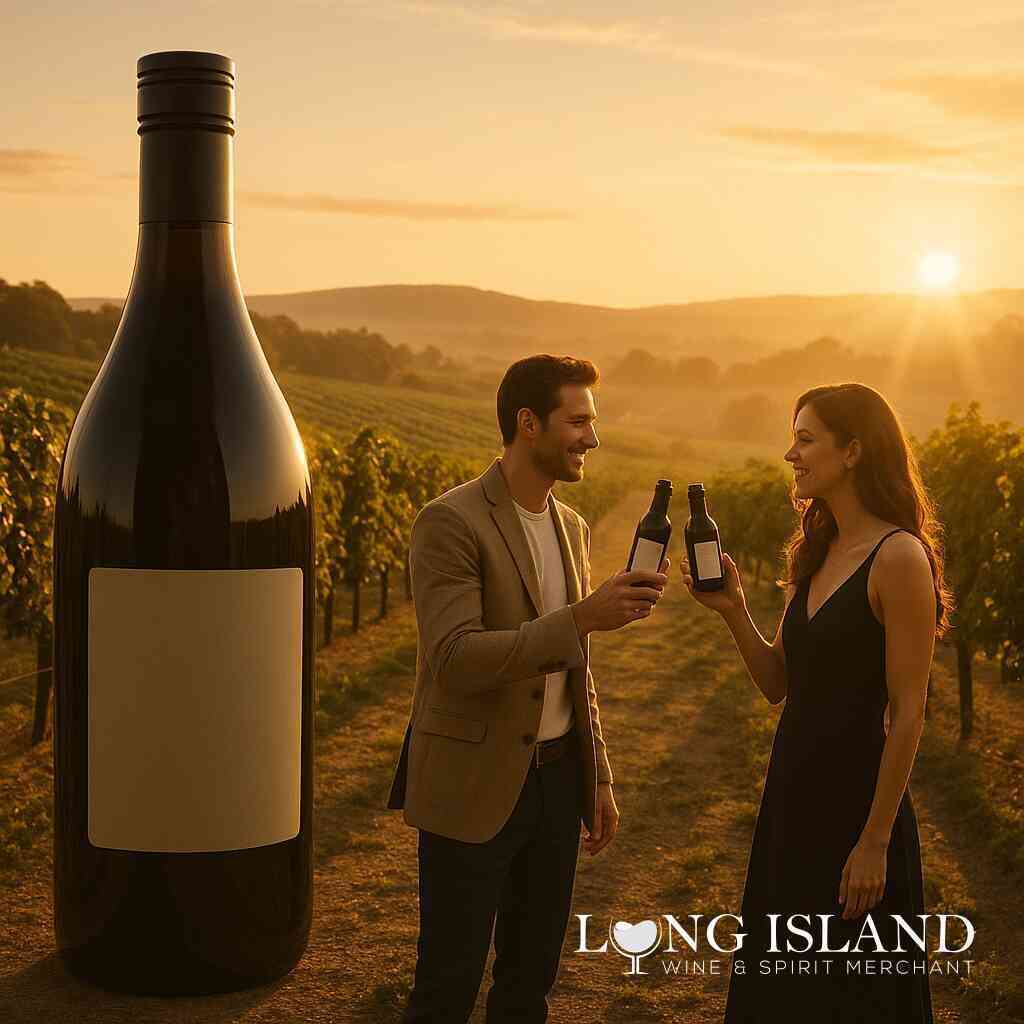
Spring 2026 Wine Bottle Size Trends You Should Know About
Wine bottle sizes are evolving fast in 2026, and the changes go far beyond aesthetics. From eco-conscious packaging to personalized designs and novelty formats, this spring is shaping up to be one of the most dynamic seasons for wine packaging in recent memory.
This overview breaks down the key trends driving wine bottle innovation right now — and what they mean for wine lovers, collectors, and casual drinkers alike.
Why Wine Bottle Size Is More Important Than Ever
The size of a wine bottle communicates a lot before anyone even pours a glass. It signals occasion, value, and intent. A large-format bottle suggests celebration and generosity. A single-serve option says convenience and ease.
As consumer tastes grow more diverse, wine producers are responding with a wider range of sizes designed to fit specific moments. Understanding these shifts helps you make smarter buying choices — whether you're selecting wine for a dinner party, a quiet evening at home, or a thoughtful gift.
The Rise of Novelty and Non-Standard Sizes
One of the clearest trends this spring is the growing popularity of novelty bottle sizes. These are formats that step outside the traditional 750ml standard, offering something unexpected and memorable.
Common novelty sizes gaining traction include:
- Single-serve bottles (187ml): Perfect for individual enjoyment without waste. These are especially popular at picnics, events, and as airline alternatives.
- Half-bottles (375ml): A practical choice for people who want variety without committing to a full bottle.
- Magnum bottles (1.5L): Long considered a celebration staple, magnums are seeing renewed interest thanks to their visual impact and the perception that wine ages better in larger formats.
- Jeroboams and beyond: Extra-large formats are trending for milestone events, where the bottle itself becomes part of the experience.
These sizes appeal to modern consumers who view wine as an experience — not just a beverage. Producers are capitalizing on this by making the bottle itself part of the story.
Eco-Friendly Packaging Is No Longer Optional
Sustainability has moved from a niche concern to a mainstream expectation. In spring 2026, more wine brands are committing to environmentally responsible packaging choices.
Key eco-friendly packaging trends include:
- Lightweight glass bottles: Reducing glass weight lowers transportation emissions without compromising quality.
- Recycled and recyclable materials: Producers are sourcing glass and secondary packaging from recycled content.
- Alternative containers: Bag-in-box, canned wine, and pouches have matured significantly and now appear at premium price points.
- Minimal labeling: Some brands are reducing label size and ink usage to cut down on waste.
Consumers increasingly factor environmental impact into purchasing decisions. A wine brand that communicates its sustainability efforts clearly tends to earn greater loyalty among environmentally conscious buyers.
Personalized Bottles Are Becoming a Premium Standard
Personalization in wine packaging has grown from a novelty gift gimmick into a genuine luxury trend. Custom labels, engraved bottles, and branded packaging are now expected offerings at upscale wine retailers.
This trend is especially visible for:
- Weddings and anniversaries
- Corporate gifting
- Milestone birthdays
- Holiday collections
A personalized bottle transforms a purchase into a keepsake. It adds emotional value that a generic bottle simply cannot match. For retailers, offering customization is increasingly a differentiator rather than an optional extra.
Long Island's Role in Shaping These Trends
Long Island continues to be an influential region in the U.S. wine market, and its bottle size preferences reflect broader national trends. The area's wine culture blends classic European sensibilities with a distinctly modern American approach to packaging and presentation.
Local producers and retailers in the region are early adopters of novelty sizes, personalized options, and sustainable packaging — often setting the pace for what appears in wider markets months later. Watching what's happening on Long Island gives a useful early signal for where the national market is heading.
What This Means for Wine Buyers in 2026
If you're buying wine this spring, a few practical takeaways stand out:
- Consider the occasion first. Bottle size should match the setting — a magnum for a celebration, a half-bottle for a quiet night in.
- Look for sustainable choices. Lightweight bottles and alternative formats are increasingly available at competitive price points.
- Explore personalized gifting. A custom label or engraved bottle elevates any gift and is more accessible than ever.
- Don't overlook smaller formats. Single-serve and half-bottle options offer great flexibility and help reduce waste.
Spring 2026 is a compelling moment for wine packaging innovation. Whether you follow trends closely or simply want a bottle that fits your lifestyle, there are more thoughtful options available now than at any previous point in the industry's history.
What Are the Newest Wine Bottle Size Trends for Spring 2026


Comments
Post a Comment