Spring 2026 Liquor Bottle Trends & Size Guide
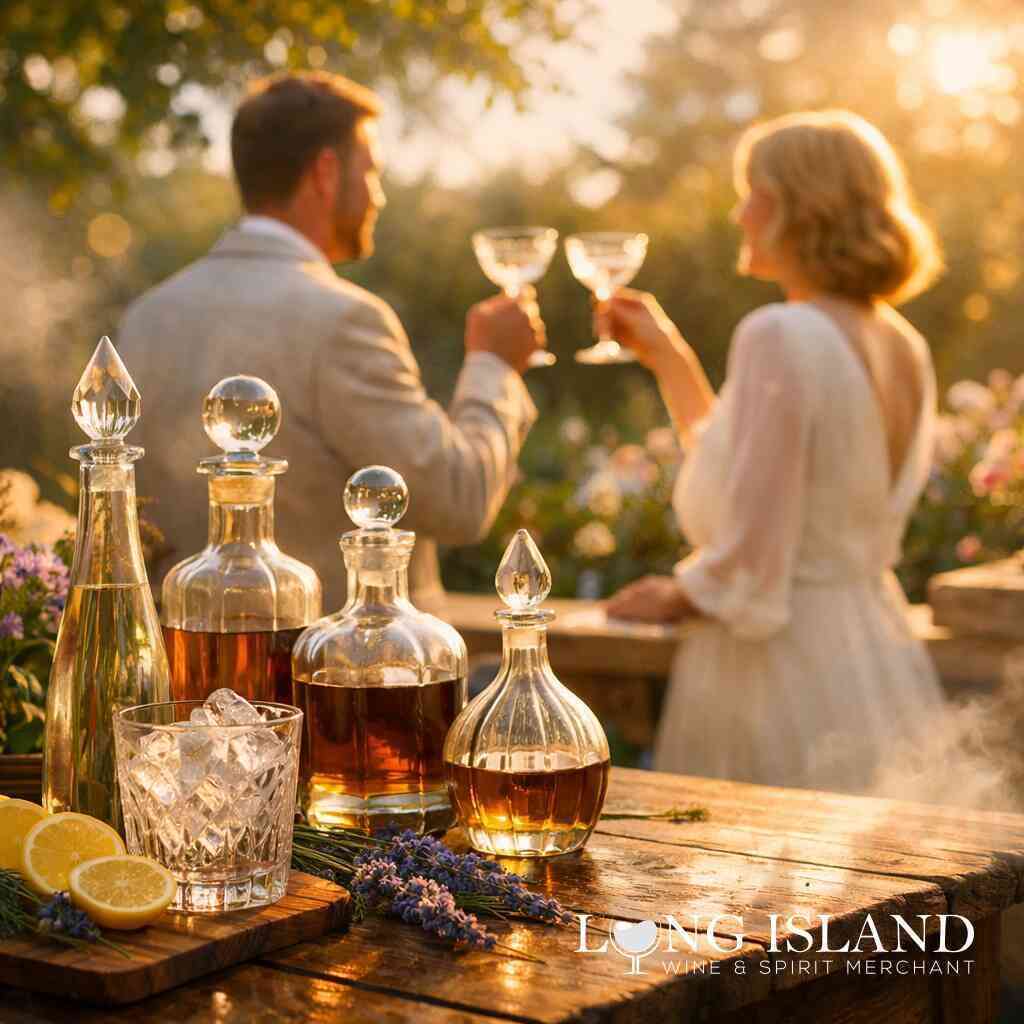
The arrival of spring 2026 brings a significant evolution in the spirits and wine world, marked by innovative bottle formats and shifting consumer preferences. This seasonal shift reflects deeper changes in how we socialize and entertain, making the choice of bottle size more important than ever. This guide explores the key trends and offers practical insight into selecting the right format for every occasion, from intimate gatherings to grand celebrations.
Understanding the Spring 2026 Spirit Shift
Spring is a time of renewal, and the beverage industry mirrors this with a focus on versatility and discovery. The current trends are defined by a blend of artisanal craftsmanship and consumer-centric design. Discerning drinkers are seeking out spirits that tell a story, often from small-batch producers, while also valuing the convenience that different bottle sizes provide. This season, the emphasis is on personal expression and intentional consumption, moving away from one-size-fits-all solutions.
The Strategic Value of Seasonal Bottle Sizes
Modern connoisseurs appreciate flexibility alongside quality. Varied liquor bottle sizes cater directly to this need, serving specific purposes in a curated home bar or for a special event.
- Small Formats (50ml, 200ml, 375ml): These are perfect for exploration. They allow you to sample a new craft gin, an emerging amaro, or a limited-release rum without committing to a full-sized bottle. They are also ideal for recipe testing or creating a single, perfect cocktail.
- Standard Formats (750ml, 1L): The workhorses of any collection, these sizes remain essential for staple spirits and frequently enjoyed wines. In 2026, expect to see even standard bottles featuring refined design elements that speak to premiumization.
- Large-Format & Luxury Sizes (Magnums, 1.75L, Decanters): These bottles make a statement. They are designed for sharing and celebration, often associated with luxury spirits, collector's items, or the centerpiece of a spring gathering. Their presence signifies an occasion.
Choosing the right size is a practical consideration that enhances the drinking experience, minimizes waste, and maximizes enjoyment.
Key Spring 2026 Trends in Bottling
Several interconnected movements are shaping the bottles you'll see this season.
The Rise of the Craft Miniature: Small bottles are no longer an afterthought. Distilleries are using beautifully designed 50ml and 100ml bottles as introductory ambassadors for their brand. This trend lowers the barrier to entry for premium and artisanal spirits, encouraging experimentation.
Premiumization Through Presentation: Luxury is often communicated through format. Limited-edition releases, particularly in whiskey and cognac, are appearing in unique decanters or large-format bottles. These items are crafted for display and are highly sought after for gifting or commemorating milestones.
Cocktail-Centric Sizing: With the sustained popularity of home mixology, there is a clear demand for bottles that suit cocktail recipes. A 375ml or 500ml bottle of a versatile liqueur or aperitif is often the perfect amount for a series of drinks without leftover product losing its character.
Eco-Conscious and Functional Design: While not always about physical size, the trend towards sustainable materials and functional design influences bottle choices. Lightweight glass, reduced packaging, and bottles designed for easy pouring align with a more thoughtful consumption ethos prevalent in spring.
How to Navigate the Spring Spirit Selection
With these trends in mind, your approach to selecting spirits this season can be more strategic. Start by considering the primary use. Is this for solo exploration, a dinner party, or a large celebration? Your answer will point you toward the appropriate size category.
For building a seasonal home bar, a mix of sizes is advisable. Keep standard bottles of your foundational spirits (vodka, gin, bourbon). Then, incorporate smaller bottles of seasonal or speculative ingredients like herbal liqueurs, new craft spirits, or bitters. This method creates variety and flexibility.
When shopping, pay attention to the story and the presentation. The 2026 market favors products that offer authenticity and a point of view. A well-designed bottle from a small producer can be as compelling as a large-format bottle from a historic house.
Curating for Spring Gatherings
Spring events, from garden parties to festive brunches, call for thoughtful beverage planning. Here, bottle size directly impacts hosting ease.
- For Large Gatherings: Large-format bottles of wine, sparkling wine, or a versatile cocktail base are efficient and reduce opening frequency. A magnum of rosé or a 1.75L bottle of a light rum for punches makes practical sense.
- For Intimate Tastings: Create a flight of discovery with an array of 200ml bottles. This could feature different terroir-driven gins, small-batch tequilas, or emerging styles of American whiskey. It encourages conversation and comparison.
- For Gift-Giving: The luxury of a large-format bottle or the curated appeal of a set of miniatures from a single distillery makes for a memorable and personal spring gift.
Final Thoughts on the Spring 2026 Landscape
The evolution of liquor bottle sizes is a direct response to how we live and entertain today. The spring 2026 trends highlight a move towards intentionality—whether that's the intentional exploration of a new flavor profile or the intentional celebration of a moment with something special.
By understanding the purpose behind each format, from the exploratory miniature to the celebratory magnum, you can make more informed and satisfying selections. This season invites you to think not just about what you're drinking, but how the vessel itself enhances the entire experience. Let this guide serve as a roadmap to a more refined and enjoyable spring spirit journey.
Shop Liquor Bottle Sizes Guide to Spring 2026 Bottle Trends


Comments
Post a Comment