Long Island Guide to Organic Spring Spirits: Clean Craft Picks
Why Organic Spring Spirits Are Gaining Ground on Long Island
As the seasons shift, so do our drinking preferences. Across Long Island, a growing number of discerning drinkers are reaching for spirits that match the freshness and vitality of spring. Organic craft spirits—free from synthetic pesticides, herbicides, and artificial additives—are no longer a niche curiosity. They represent a conscious choice for purity, flavor, and environmental responsibility. This guide explores what makes organic spring spirits distinct, how they are made, and where to find a carefully selected range on Long Island.
The Philosophy of Farm-to-Bottle Distillation
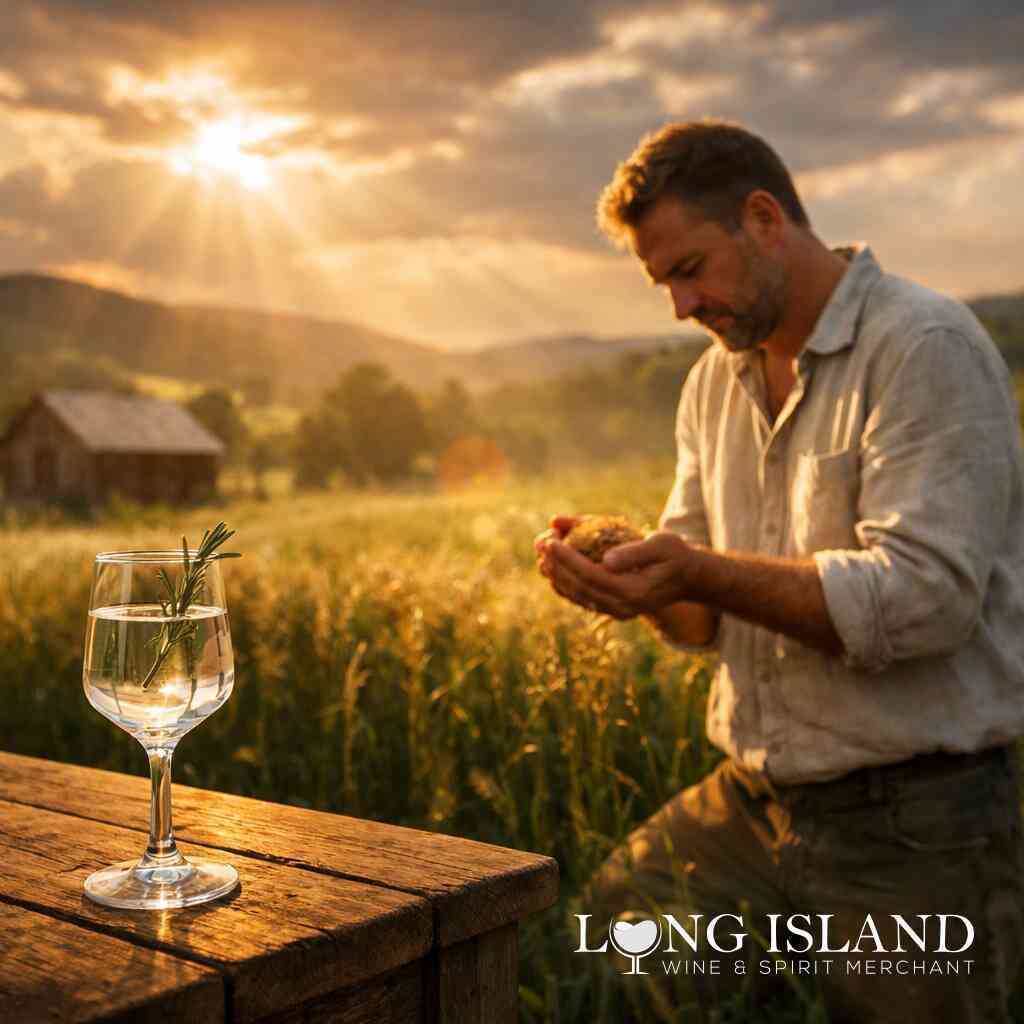
True organic distillation begins in the soil. Before a single drop is fermented or distilled, farmers must nurture the grains, grapes, or botanicals without chemical interventions. This farm-to-bottle approach prioritizes biodiversity, soil health, and ecological balance at every stage. Distillers who commit to organic practices source raw materials from growers who share a deep respect for the land. The result is a spirit that carries an authentic sense of place, unclouded by residues that can dull nuanced flavors.
When you sip an organic spirit, you are tasting a direct expression of its agricultural origins. The absence of chemical shortcuts forces distillers to rely on superior ingredients and meticulous craftsmanship. This integrity translates into a cleaner, more vibrant drinking experience.
How Spring Influences Spirit Choices
Winter often calls for heavy, barrel-aged whiskeys and dark liquors. Spring, however, invites refreshment and botanical brightness. As the days grow longer and nature reawakens, palates naturally gravitate toward lighter, more energetic expressions. Organic gin and vodka become go-to choices for cocktails that feature fresh herbs, citrus, and floral notes.
The crisp, herbaceous character of a well-crafted organic gin perfectly complements the season. Similarly, an organic vodka offers a pure, neutral canvas that allows spring’s fresh ingredients to shine. Local enthusiasts are increasingly seeking out these lighter spirits as temperatures rise and outdoor gatherings resume. Understanding this seasonal rhythm helps you stock your home bar with bottles that feel alive and timely.
Navigating Organic, Biodynamic, and Sustainable Certifications
Not all eco-friendly labels mean the same thing. Knowing the distinctions helps you make informed choices:
- Organic Certification: Ingredients are grown without synthetic pesticides, herbicides, or GMOs. Processing avoids artificial additives. This is a regulated standard that ensures baseline purity.
- Biodynamic Certification: Goes beyond organic by treating the farm as a self-contained ecosystem. Practices align with lunar and cosmic cycles, and the entire agricultural system is designed to be self-sustaining.
- Sustainable Certifications: Focus on minimizing carbon footprint, water usage, and waste across production and distribution. These spirits may not be fully organic but demonstrate a clear commitment to reducing environmental harm.
Some spirits earn multiple certifications, while others focus on one area of responsibility. Recognizing these labels empowers you to support the production practices you value most.
What to Look for in a Curated Organic Selection
A quality liquor store that prioritizes organic and sustainable spirits does more than stock a few trendy bottles. It actively educates customers and maintains relationships with distilleries that share a commitment to purity. Long Island Liquor Store, a trusted resource for residents in Suffolk County and beyond, curates a selection that embodies these principles. Their shelves reflect a dedication to organic gin, vodka, whiskey, and more, all chosen for both flavor and integrity.
Key indicators of a well-curated selection include:
- Staff who can explain the differences between organic, biodynamic, and sustainable spirits.
- A diverse range of categories—gin, vodka, whiskey, rum, and specialty liqueurs—made without synthetic chemicals.
- Transparency about sourcing, so you know exactly where your purchase comes from.
- Seasonal recommendations that reflect current flavor profiles and trends.
When a store invests in this level of curation, it transforms a simple purchase into a discovery of craft and conscience.
A Closer Look at Organic Gin, Vodka, and Whiskey
Organic Gin
Gin is defined by its botanicals. In an organic gin, every juniper berry, citrus peel, and spice must be grown without synthetic inputs. This creates a more vibrant and authentic botanical profile. Key characteristics include:
- A neutral base from organic grains or grapes, ensuring no chemical carryover.
- Botanicals that deliver pure, unadulterated flavors without harsh aftertastes.
- A brightness that makes it ideal for spring cocktails like gin and tonics with fresh cucumber, or floral gin fizzes.
Organic Vodka
Vodka’s appeal lies in its purity. Organic vodka takes this further by starting with organic potatoes, grains, or grapes. The distillation process tends to be rigorous, but the quality of the base ingredient is paramount. Organic vodkas often exhibit:
- A remarkably clean taste with subtle natural sweetness.
- Smoothness that avoids the burning sensation sometimes associated with lower-quality spirits.
- Versatility in mixed drinks, especially spring sippers like a strawberry basil smash or a chilled martini with lemon.
Organic Whiskey & Bourbon
Organic whiskey and bourbon have emerged more slowly due to aging requirements, but a growing number of producers are using organic corn, rye, barley, or wheat and aging in barrels that meet organic standards. The result is a whiskey that:
- Expresses the grain’s true character, free from pesticide residues.
- Often reveals more complexity and a cleaner finish than conventional counterparts.
- Works beautifully sipped neat or in a classic Old Fashioned on a cool spring evening.
Why Community Demand Is Shaping Local Offerings
The clean craft movement is not a passing trend. On Long Island, shoppers increasingly seek out spirits that align with their values of wellness and sustainability. Local retailers that prioritize organic options create a feedback loop: as demand grows, distilleries invest more in organic production, and customers gain access to an ever-better range. Long Island Liquor Store continues to expand its selection in response to this enthusiasm, making it easier than ever to enjoy a responsible, delicious drink.
Enjoying Spring with a Clear Conscience
Choosing organic spirits is ultimately about savoring the moment without hidden costs. Each sip supports farming practices that protect soil and water, and every cocktail becomes an opportunity to celebrate the season’s natural abundance. When you gather with friends or unwind after a long day, the right bottle transforms the occasion.
There is no shortage of exceptional organic gin, vodka, and whiskey waiting to be discovered. Let your curiosity lead you to new flavors, and trust that a carefully curated store can guide you to the very best that spring has to offer.
Long Island Liquor Store Guide to Organic Spring Spirits


Comments
Post a Comment