How to Build Custom Alcohol Cases: A Long Island Expert Guide
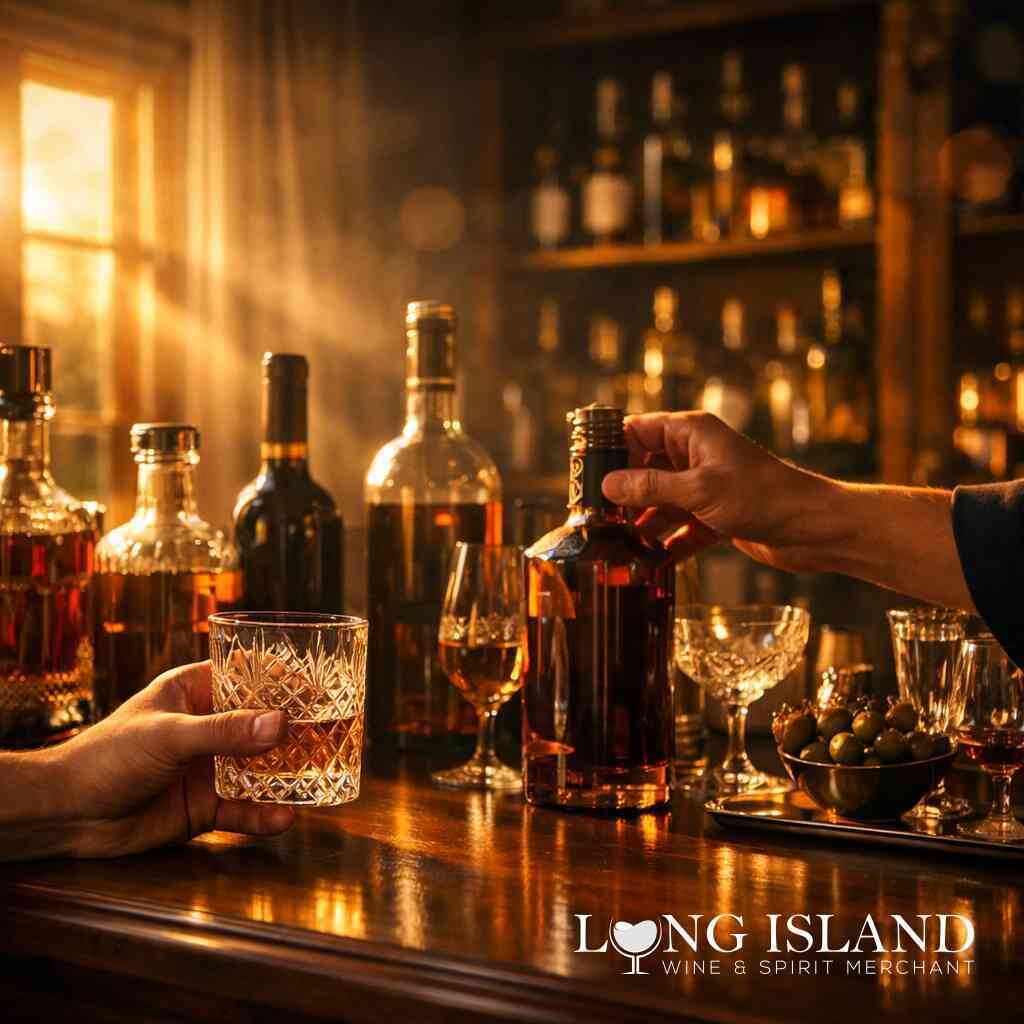
Creating a home bar that truly reflects your taste requires more than picking bottles at random. A custom case building approach on Long Island lets you step beyond single purchases and assemble a curated collection that works together harmoniously. This guide explores how to blend spirits, liqueurs, and modifiers into a versatile selection that elevates everyday sipping and special entertaining.
The Philosophy Behind a Curated Spirit Case
A well-constructed case turns a handful of bottles into a functional bar. Instead of accumulating half-empty bottles that never quite pair well, you choose each element with intention. Think of a Manhattan: a bold rye whiskey, a sweet vermouth, and a few dashes of aromatic bitters create a drink far greater than any one ingredient alone. When you apply that same principle across an entire case, you end up with a collection that supports dozens of classic and original cocktails.
This approach also eliminates the guesswork during social gatherings. Having a balanced selection of base spirits, modifiers, and accent bottles means you can confidently offer an Old Fashioned, a Negroni, or a spritz without rushing out for a missing component. Your bar becomes a reliable extension of your kitchen, ready to match any menu or mood.
Start with the Wine Taste Quiz
Before selecting individual bottles, it helps to understand your own flavor preferences. Many Long Island shops offer a Wine Taste Quiz that translates your likes and dislikes into practical recommendations. The quiz asks about your preferred fruit profiles in wine, your reaction to earthy or oaky notes, and which cocktail styles you naturally gravitate toward.
The results do more than suggest specific wines—they reveal the underlying characteristics you enjoy in any spirit. If you lean toward crisp, citrus-forward whites, you will likely appreciate gin with bright botanical notes and light, floral liqueurs. If you favor full-bodied reds with dark fruit flavors, barrel-aged spirits like bourbon, aged rum, and smoky mezcal may be your foundation. Applying these insights early keeps your custom case aligned with your palate.
Building the Foundation: Base Spirits That Set the Stage
Every versatile case rests on a few premium base spirits. These bottles appear in the most cocktails and can stand alone as satisfying sippers.
- Whiskey: A smooth bourbon and a spicy rye cover a wide range of classic drinks. Bourbon’s caramel and vanilla notes shine in a Whiskey Sour or a Mint Julep, while rye’s peppery bite adds depth to a Manhattan or a Sazerac.
- Gin: A London dry gin with juniper-forward character works in Martinis and Gin & Tonics. Consider a second, more contemporary gin with citrus or floral botanicals for lighter, fruit-driven cocktails.
- Vodka: A clean, well-filtered vodka is essential for Martinis, Moscow Mules, and countless mixed drinks. Since vodka’s role is often to let other ingredients shine, quality matters more than complexity.
- Aged Rum and Tequila: An aged rum brings tropical warmth to daiquiris and punches, while a reposado or añejo tequila adds earthy and vanilla notes to Margaritas and Palomas. These two spirits expand your range into Latin and Caribbean cocktail traditions.
Select two or three of these as the workhorses of your case, then build outward.
Adding Modifiers: Vermouth, Liqueurs, and Bitters
Modifiers are the unsung heroes of cocktails. They introduce sweetness, bitterness, herbaceousness, or fruit, creating balance and complexity.
- Vermouth: Sweet vermouth pairs with whiskey, while dry vermouth is a must for a proper Martini. Both should be refrigerated after opening to maintain freshness.
- Bitters: Aromatic bitters, orange bitters, and maybe a specialty flavor like chocolate or celery bitters let you fine-tune dozens of classic recipes. A few dashes can transform a simple highball.
- Orange Liqueur: Triple sec or a high-quality curaçao appears in Margaritas, Sidecars, and Cosmopolitans. It adds a sweet citrus note that links many different flavor profiles.
- Amari and Herbal Liqueurs: A bottle of Campari, Aperol, or a milder amaro opens the door to Negronis, spritzes, and low-alcohol aperitifs. These bottles also work beautifully as digestifs served neat.
Including three or four modifiers immediately multiplies the number of cocktails you can make with your base spirits.
Accent Bottles for Seasonal and Occasion-Based Entertaining
Beyond the core lineup, accent bottles let you adapt to seasons, holidays, and specific guests. A elderflower liqueur or a crème de violette adds a floral touch perfect for spring gatherings. A pumpkin spice or allspice dram brings warmth to autumn cocktails. These bottles may get less frequent use, but they make an impression when served at the right moment.
If you frequently host dinner parties, consider a split of sparkling wine or a bottle of dry sherry. Sparkling wine turns a basic liqueur into a quick spritz, while sherry adds nutty, savory depth to stirred drinks. The goal is to have one or two surprise bottles that guests rarely encounter elsewhere.
Practical Tips for Home Bar Curation
A custom case is only as good as its usability. Store opened vermouth and sherry in the refrigerator. Keep spirits out of direct sunlight and away from heat sources to preserve flavor. Invest in a few quality jiggers, a mixing glass, and a bar spoon—precise measurements and proper dilution are essential for balanced drinks.
Consider organizing your collection by flavor profile rather than spirit type. Group earthy and smoky bottles together, fruit-forward bottles together, and herbal ones together. This visual arrangement makes it easier to experiment with substitutions and original creations.
Finally, revisit your case every few months. Tastes evolve, seasons change, and new craft spirits appear regularly. Swapping out one or two bottles keeps your bar feeling fresh without requiring a complete overhaul.
The Result: A Home Bar That Tells Your Story
When you assemble a custom case with care, you end up with more than alcohol—you create an experience. Each bottle reflects a deliberate choice, and together they allow you to serve drinks that feel personal and memorable. Whether you are toasting a quiet weeknight or hosting a lively party, your bar stands ready with a thoughtful, balanced selection that speaks to your palate and hospitality. Long Island’s custom case building services offer the selection and guidance to make that vision a reality, one bottle at a time.
Long Island Alcohol Store Custom Case Building Service Guide


Comments
Post a Comment