Choosing the Right Liquor Bottle Size for a Spring Party
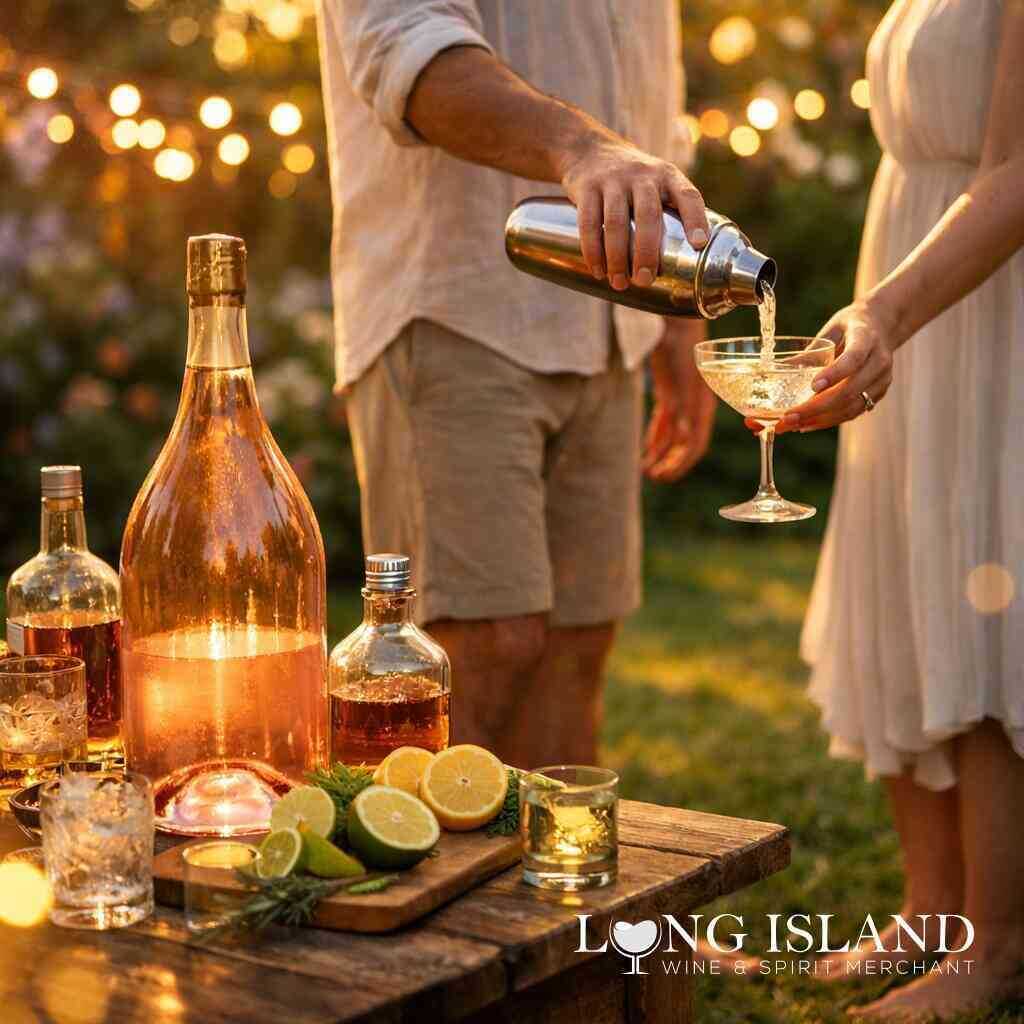
Selecting the correct liquor bottle size is a foundational step for planning a successful spring party. This choice directly impacts your budget, service flow, and the overall guest experience. This guide explores the key considerations for matching bottle formats to your seasonal celebration, from intimate gatherings to large outdoor events.
The Seasonal Shift in Beverage Planning
Spring entertaining brings a natural shift in both setting and taste. Guests typically move outdoors and gravitate toward lighter, brighter libations. This means your beverage provisions should highlight crisp white wines, refreshing rosés, and spirits that suit warmer weather, such as gin or tequila. The dynamics of the party also change, often involving longer, more fluid gatherings. Your planning must account for sustained consumption rather than short, concentrated drinking sessions. Recognizing this seasonal pivot is the first step in stocking a bar that feels intuitively correct.
Why Bottle Size Matters for Your Event
Bottle size is the unseen architect of your gathering. The right format ensures you have enough for every guest without ending the night with excessive waste or the embarrassment of running dry. It influences cost efficiency, service logistics, and even the visual presentation of your drink station. A strategic selection prevents both over-purchasing and constant mid-party replenishment. Viewing bottle size as a key part of your planning blueprint is the mark of a thoughtful host.
Decoding Common Bottle Sizes and Their Uses
Understanding standard bottle formats allows you to buy smarter and create a more seamless experience.
The 750mL Standard Bottle: The Versatile Foundation
The 750mL bottle is the universal workhorse for both wine and spirits. It is ideal for introducing variety at smaller gatherings, allowing you to offer multiple wine types or spirit brands without committing to large quantities. For a cocktail-focused party, standard bottles of base spirits like vodka or rum provide flexibility. For wine-centric events, they let you serve different whites or rosés throughout the afternoon. While perfect for intimate groups, relying solely on 750mL bottles for a large crowd can lead to bottle clutter and frequent opening.
Large Format Bottles: For Impact and Value
For larger events or creating a dramatic centerpiece, large format bottles are an excellent choice.
- Magnum (1.5L): Holds the equivalent of two standard bottles. A magnum of sparkling wine or rosé makes a stunning visual impact and is perfect for serving a larger table.
- Double Magnum (3L) and Beyond: These sizes offer significant economies of scale for grand festivities and reduce the total number of bottles needing service.
Large formats are not just for wine; many premium spirits and Champagnes are also available in these sizes. They often provide better value per ounce and reduce the host's workload during the event.
The Handle (1.75L): The Practical Choice for High-Use Spirits
For a busy cocktail bar or a party where a particular spirit is the star of your signature drink, the 1.75L handle is a practical and economical choice. It is commonly used for base spirits like vodka, whiskey, gin, and tequila. Using a handle for your most-consumed spirit minimizes the need for backup bottles and keeps the service area tidy. For a spring party, this might mean a handle of gin for a large-batch citrus cocktail or blanco tequila for margaritas.
Matching Bottle Sizes to Your Spring Party Scale
The size of your guest list is the primary factor in determining your purchase strategy.
Intimate Gatherings (6-12 Guests)
For a small garden soiree or patio dinner, standard 750mL bottles offer the perfect balance of variety and sufficiency. You can confidently select two to three different wine styles—perhaps a Sauvignon Blanc, a dry rosé, and a lighter red—along with a couple of spirit options. This approach allows for curated tasting without leaving you with numerous half-empty bottles.
Medium to Large Outdoor Parties (15-50+ Guests)
As your guest count grows, incorporating large format bottles becomes essential for smooth hosting.
- Beverage Strategy: Plan for one to two large format bottles of wine (like magnums of a crowd-pleasing white or rosé) as anchor pours. Supplement with standard bottles for variety.
- Spirit Strategy: For cocktails, opt for handles of your primary base spirits. Estimate consumption based on the length of the party and the popularity of the cocktail menu.
- Sparkling Wine: Consider large format bottles of Prosecco or Cava for toasts; they serve more people and add a celebratory feel.
Practical Tips for Spring Party Bottle Planning
- Know Your Audience: Consider your guests' general preferences. A wine-loving group will have different needs than a cocktail-focused crowd.
- Calculate Quantities: A general guideline is to plan for approximately two drinks per guest for the first hour and one drink per hour thereafter. Adjust based on the party's formality and duration.
- Embrace Variety with Purpose: Offer a range of styles—dry, sweet, sparkling—but within a focused selection to avoid confusion and waste.
- Prioritize Refreshment: Spring parties call for wines served well-chilled and spirits that mix into bright, herbal, or citrusy cocktails.
- Consider Presentation: Large, beautiful bottles can act as decor. A magnum in a wine bucket or an attractive handle on a bar cart enhances the party's aesthetic.
Choosing the right liquor bottle size is a blend of practical math and thoughtful curation. By aligning your selections with the season's vibe and your party's scale, you lay the groundwork for a seamlessly enjoyable spring celebration where the drinks flow as smoothly as the conversation.
What Is the Right Liquor Bottle Size for Your Spring Party


Comments
Post a Comment