Understanding Terroir and Its Impact on Long Island Wines
Understanding Terroir and Its Impact on Long Island Wines
Terroir is one of the most important concepts in the wine world, and it plays a defining role in what makes Long Island wines distinct. If you have ever wondered why two wines from different regions taste so different even when made from the same grape variety, the answer often comes back to terroir.
What Terroir Actually Means
Terroir is a French term that broadly refers to the natural environment in which a grape is grown. It encompasses soil composition, climate, topography, and even the broader ecosystem surrounding a vineyard. Together, these elements shape every dimension of a wine — from its aroma and flavor to its structure and finish.
Think of terroir as the fingerprint of a place. No two vineyards share the exact same combination of factors, which is why wines from different regions carry their own unmistakable character.
Long Island's Unique Terroir
Long Island has developed a reputation as one of the most compelling wine-producing regions on the East Coast. That reputation is built largely on its exceptional terroir.
Soil Composition
The soils on Long Island are primarily sandy loam and gravel, left behind by glacial activity thousands of years ago. These well-draining soils are particularly well suited to viticulture. They prevent waterlogging around vine roots and encourage the vines to reach deeper for nutrients, which results in grapes with greater concentration and mineral complexity.
The varying soil profiles across the island also create distinct micro-regions. Each area produces grapes with slightly different qualities, contributing to the breadth and variety of Long Island wines.
Maritime Climate
One of Long Island's most significant terroir advantages is its maritime climate. Surrounded by water on multiple sides, the island benefits from:
- Warm, long summers that allow grapes to ripen gradually
- Cool ocean breezes that moderate heat and reduce disease pressure
- An extended growing season compared to many inland regions
- Retained acidity in the grapes, even as sugars develop
This combination creates ideal conditions for producing balanced wines with both ripeness and freshness — a quality that Long Island winemakers have learned to express with great skill.
Topography and Sun Exposure
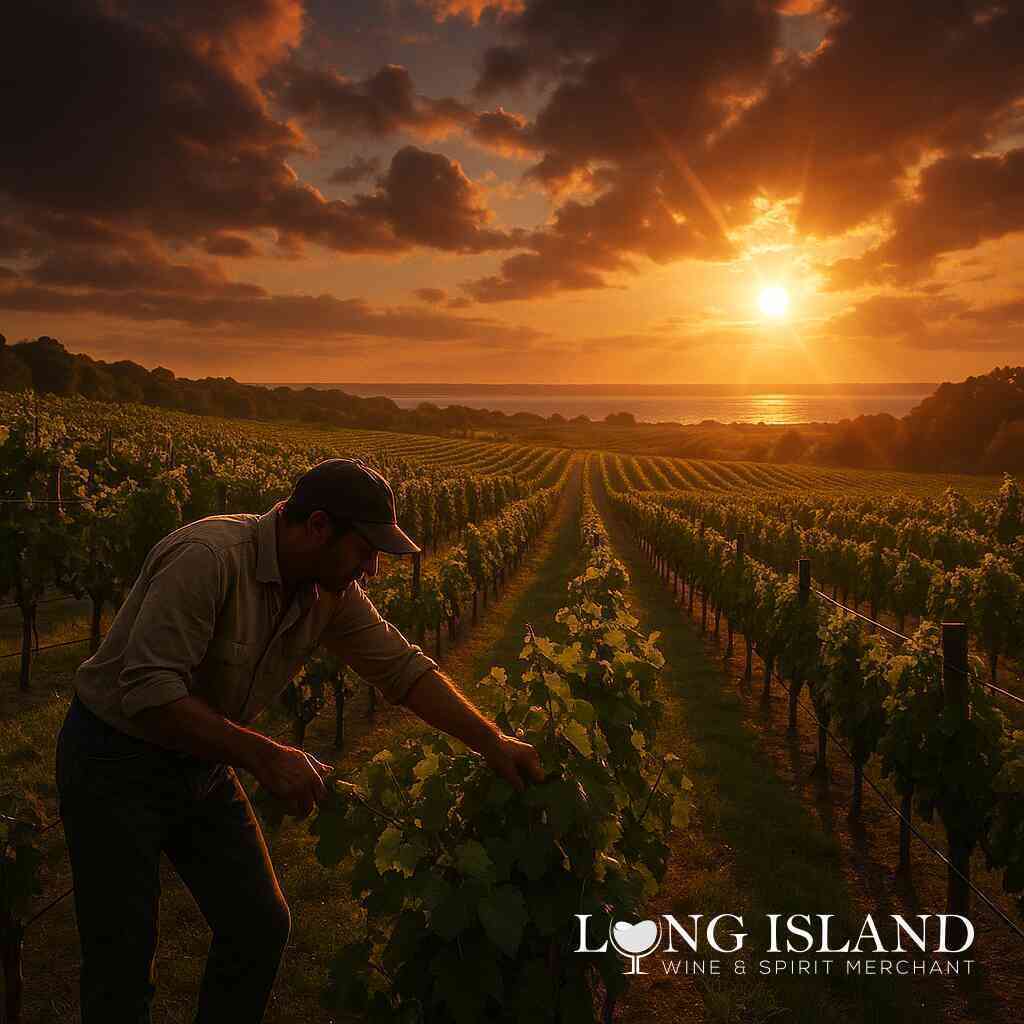
Long Island's relatively flat terrain with gentle slopes allows for good air circulation and consistent sun exposure across vineyards. Its positioning between Peconic Bay and the Atlantic Ocean further moderates temperatures and supports healthy vine growth.
The way sunlight hits the vines throughout the growing season influences photosynthesis, fruit development, and ultimately the concentration of sugars and acids in the grapes. Topography may seem like a background detail, but it has a direct and measurable impact on wine quality.
How Terroir Shapes Wine Flavor and Aroma
The sensory experience of drinking a Long Island wine is a direct reflection of its terroir. Sandy soils tend to contribute lighter, more aromatic wines with floral notes. Gravel and loam add mineral depth and structure.
The maritime influence brings a freshness and salinity to many Long Island wines that sets them apart from wines grown further inland or in warmer climates. This is especially noticeable in white wines and lighter-bodied reds, where that cool-climate vibrancy shines through.
Winemakers in this region work with these natural qualities rather than against them. The terroir provides a foundation, and skilled viticulture and winemaking build upon it.
Why Terroir Matters When Choosing Wine
Understanding terroir gives you a much richer framework for selecting and appreciating wine. When you pick up a bottle from a Long Island producer, knowing that the wine reflects glacial soils, maritime breezes, and a carefully extended growing season adds a layer of meaning to what you are tasting.
It also helps explain why Long Island wines often show a particular elegance and balance. This is not accidental. It is a direct outcome of where and how the grapes are grown.
The Evolving Identity of Long Island Wine
Long Island's wine culture has grown steadily over recent decades. Producers have deepened their understanding of the land, experimenting with grape varieties and vineyard practices that best express local terroir. In 2026, that exploration continues as the region's reputation grows both domestically and internationally.
This ongoing refinement reflects a genuine respect for what the land offers. Terroir, in this sense, is not just a romantic idea — it is a practical guide for growing better grapes and making more expressive wines.
Final Thoughts
Terroir is the story behind every bottle of Long Island wine. From the glacial soils to the ocean breezes, each environmental factor leaves its mark on the wine in your glass. Understanding these elements makes you a more informed and appreciative wine drinker — and gives you a deeper connection to the wines you choose.
What Does Terroir Mean for Long Island Liquor Store Wines


Comments
Post a Comment