Liquor Bottle Sizes Explained: What Mixologists Need to Know
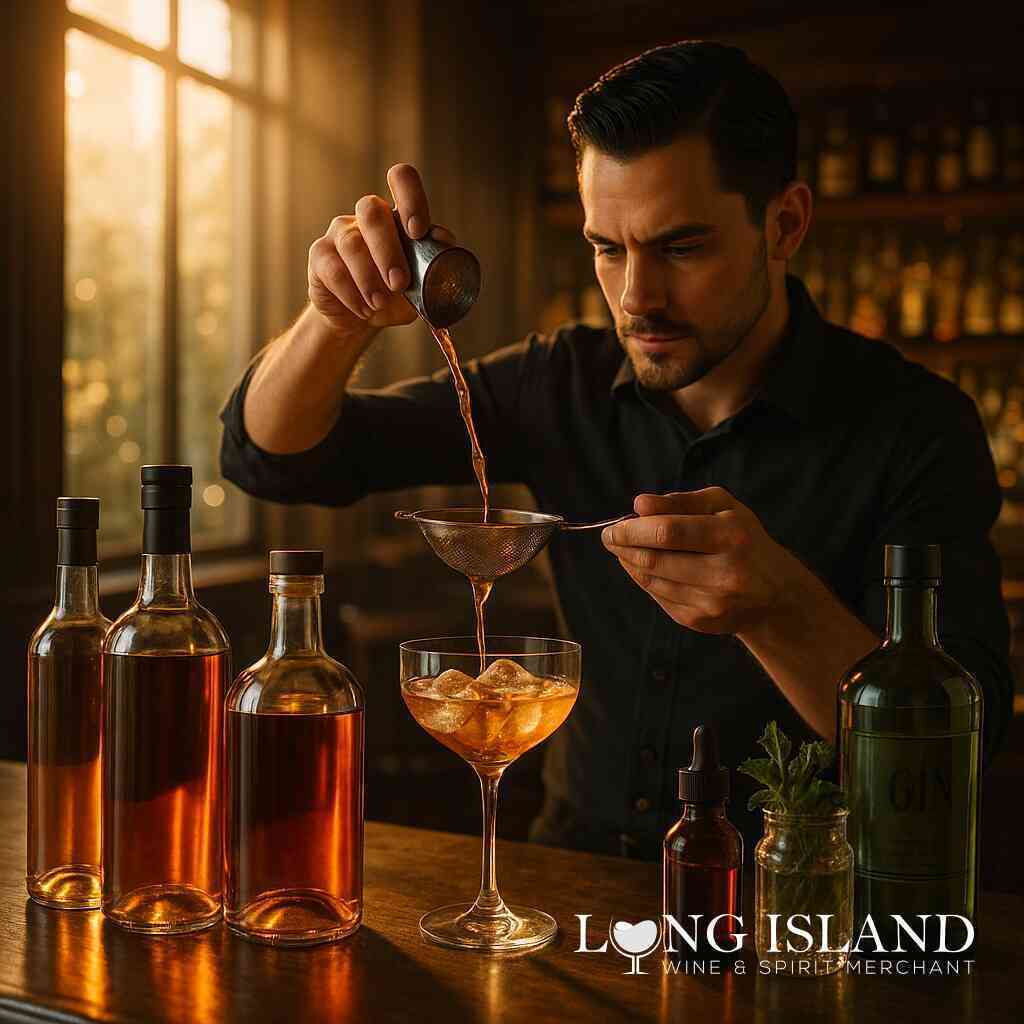
Liquor Bottle Sizes Explained: What Mixologists Need to Know
Choosing the right liquor bottle size is one of the most practical decisions a home bartender or professional mixologist can make. From small samplers to large-format bottles, each size serves a distinct purpose — and understanding those differences can improve both the quality and efficiency of your cocktail game.
How Bottle Sizes Have Evolved Over Time
Liquor bottle sizing has a surprisingly rich history. Early containers were shaped by whatever materials were locally available, and sizing was rarely consistent across regions. As global trade expanded, producers began moving toward more standardized formats. Today, bottle sizes are influenced by a combination of regulatory standards, consumer convenience, and aesthetic preferences.
The result is a wide spectrum of sizes — from miniature 50ml bottles to large 1.75-liter handles — each occupying a specific role in the market. Retailers and mixologists alike benefit from understanding this range, because the right size affects everything from cost-efficiency to flavor freshness.
Why Bottle Size Matters in Mixology
In mixology, precision matters. The size of your bottle directly influences how you plan, prepare, and serve cocktails. Here is a practical breakdown of why it counts:
- Smaller bottles (50ml to 375ml) are ideal for experimenting with new spirits, building a sampler set, or stocking a bar with variety without committing to a full bottle.
- Standard bottles (750ml) are the industry workhorse. They are used in most professional settings and are the reference point for recipe development.
- Large-format bottles (1L to 1.75L) offer better value for high-volume use, making them a smart pick for frequently poured spirits like vodka or whiskey.
Choosing the wrong size can lead to waste if a spirit sits open too long, or shortages during a busy event. Getting this balance right is part of what separates a well-run bar from a struggling one.
Current Trends Shaping the Liquor Market in 2026
The liquor industry in 2026 is being shaped by a few clear directions. Craft and artisanal spirits continue to grow in popularity. Consumers are not just asking what is in the bottle — they want to know the story behind it. Small-batch producers are responding with unique flavor profiles and limited runs that appeal to curious drinkers.
Sustainability is also a growing priority. Eco-friendly packaging, lighter glass, and recyclable materials are showing up more frequently on retail shelves. For buyers who care about environmental impact, these factors are becoming part of the purchase decision alongside taste and price.
Personalization is another trend worth watching. Advances in production and e-commerce have made it easier for consumers to order customized bottles — whether that means unique sizing, personalized labels, or curated spirit packs. Retailers who adapt to this expectation are better positioned to serve the modern buyer.
Seasonal Shifts and What They Mean for Your Bar
Liquor preferences follow a seasonal rhythm that any serious bartender should track. During warmer months, lighter spirits tend to dominate. Gin, vodka, and light rum are popular choices for refreshing, low-effort cocktails that suit outdoor settings.
As temperatures drop in fall and winter, the preference shifts toward warmer, richer spirits. Whiskey, bourbon, cognac, and dark rum see increased demand. Seasonal gatherings and holidays also drive larger purchase sizes during this period, as hosts stock up for parties and gifting.
Staying ahead of these patterns helps ensure the right inventory is in place before demand peaks — not after.
Building a Practical Home Bar
A well-rounded home bar does not need to be complicated. Start with the essentials:
- Vodka — versatile and essential for dozens of cocktails
- Gin — necessary for classics like the martini and negroni
- Rum — light and dark varieties cover a wide range of recipes
- Whiskey or Bourbon — a must-have for sipping and mixing
- Tequila — increasingly popular beyond margaritas
For each of these, consider your usage frequency when selecting a bottle size. Spirits you use often are worth buying in larger formats. For spirits you use occasionally, a standard 750ml is usually the right call.
Making Smarter Purchasing Decisions
Understanding the full range of available bottle sizes — and knowing when to use each — is a straightforward way to improve both your bartending results and your budget. Whether you are a casual home entertainer or a working mixologist, the size you choose affects the experience you deliver.
This overview is designed to help you approach liquor bottle sizes with more confidence and intention, so every pour counts.
Shop Liquor Bottle Sizes Forecasts Mixology Bottle Needs


Comments
Post a Comment