How a Wine Taste Quiz Is Changing Wine Shopping on Long Island
How a Wine Taste Quiz Is Changing Wine Shopping on Long Island
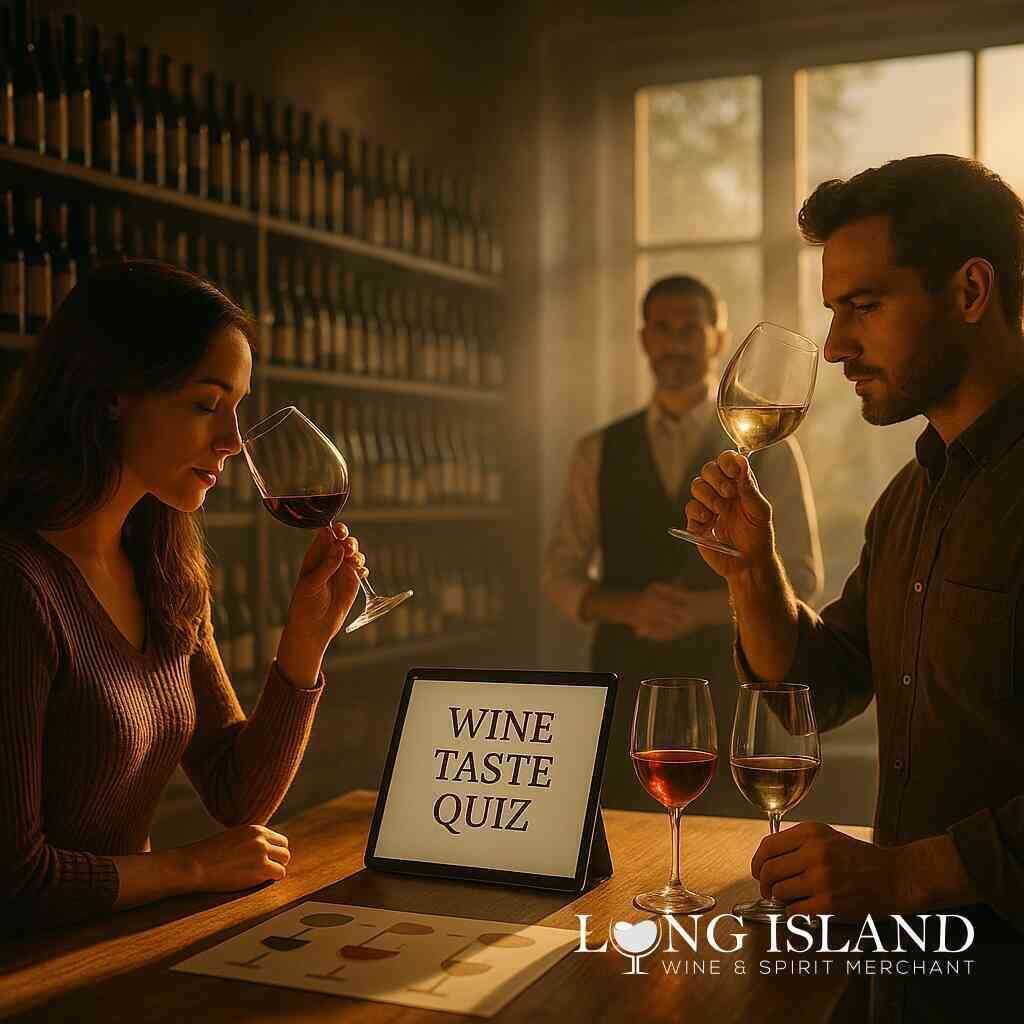
Long Island Wine & Spirit Merchant is using a wine taste quiz to help customers discover wines that actually match their preferences. In 2026, this approach is reshaping how everyday wine shoppers and serious enthusiasts alike make their selections — without guesswork or confusion.
What the Wine Taste Quiz Actually Does
At its core, the quiz is a guided experience. It walks users through a series of focused questions about their flavor preferences — things like sweetness levels, how they feel about acidity, and whether they enjoy bold or lighter-bodied wines.
The responses are analyzed to build a personal taste profile. From there, the tool recommends specific wines that fit that profile. Instead of wandering through hundreds of bottles hoping something appeals to you, the quiz narrows things down in a way that feels both logical and personal.
This matters because wine selection has traditionally required either extensive knowledge or heavy reliance on staff recommendations. The quiz gives shoppers a more independent, informed starting point.
Why Personalized Recommendations Work So Well
Most people who enjoy wine still find it hard to articulate exactly what they like. They might know they prefer something smooth over sharp, or fruity over earthy — but translating that into a specific bottle or grape variety is a different skill entirely.
Personalized recommendation tools solve this by bridging the gap between vague preferences and concrete choices. The quiz converts your answers into actionable suggestions, which removes much of the uncertainty that can make wine shopping feel overwhelming.
For newer wine drinkers, this is especially valuable. Rather than feeling intimidated by unfamiliar labels and terminology, they get clear direction from the very first question.
Exploring Flavor Profiles and Pairings
Beyond recommending specific bottles, the quiz also opens the door to understanding wine pairing. Once a user's flavor profile is established, the experience naturally extends into suggestions about what foods or occasions a particular wine suits best.
This is where casual curiosity can evolve into genuine interest. A person who discovers they enjoy dry white wines, for example, might also learn which dishes bring out the best in those selections. Over time, this builds real knowledge rather than just a shopping habit.
Some of the wine styles explored through this process include:
- Sweet red wines — approachable, fruit-forward, often a favorite for newer wine drinkers
- Dry white wines — crisp and versatile, pairing well with lighter meals
- Rosé varieties — a middle-ground option that suits a wide range of tastes
- Bold reds — complex, tannic, and well-suited for heartier food pairings
Having guidance in these areas makes the overall wine experience more satisfying and repeatable.
Data-Driven Selection Without the Complexity
Behind the scenes, the quiz uses data analytics to refine its recommendations. Aggregated user responses help identify patterns that improve the accuracy of suggestions over time. The result is a system that gets better at matching people with wines they are genuinely likely to enjoy.
This kind of data-informed approach is now common in many retail and consumer experiences. Applying it to wine selection makes the process smarter without making it feel mechanical. For the shopper, it simply feels like good guidance.
Building a Stronger Wine Community on Long Island
One of the quieter outcomes of this approach is community. When wine shoppers feel more confident in their choices, they talk about those choices. They share what worked, recommend bottles to friends, and engage more actively with local wine culture.
Long Island Wine & Spirit Merchant is capitalizing on this dynamic by fostering an environment where knowledge-sharing feels natural. The quiz is a starting point, but the broader experience it creates — informed customers who feel connected to what they are drinking — supports a growing regional wine community.
Customers have noted both the accuracy of recommendations and the reliability of delivery. One reviewer shared that after taking the quiz, they discovered new wines they genuinely wanted to try, and orders arrived ahead of schedule. That kind of consistent experience builds lasting trust.
What This Means for Wine Shopping in 2026
The wine taste quiz represents a broader shift in how specialty retailers are engaging with their customers. Rather than simply stocking shelves and waiting, they are investing in tools that meet shoppers where they are — curious, sometimes uncertain, but genuinely interested in finding something they love.
For Long Island wine enthusiasts, this means a more enjoyable, confidence-building path from first sip to well-informed preference. Whether someone is brand new to wine or looking to expand a developed palate, a structured tasting quiz offers a practical and satisfying way to explore what the region has to offer.
How Long Island Wine Store Uses a Wine Taste Quiz in 2026


Comments
Post a Comment