How Wine Bottle Size Shapes Your Custom Case Selection
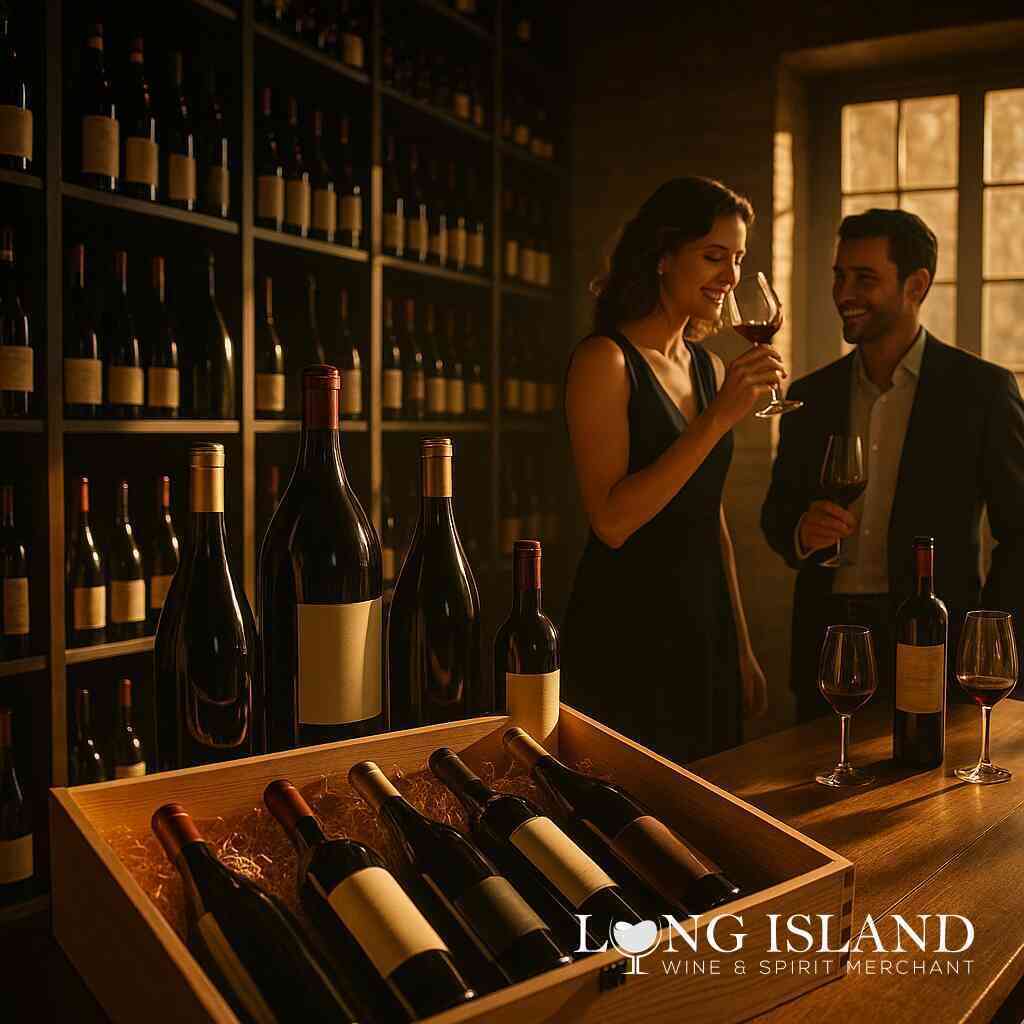
How Wine Bottle Size Shapes Your Custom Case Selection
Choosing the right wine bottle size is one of the most practical — and often overlooked — decisions when building a custom wine case. Whether you are assembling a collection for personal enjoyment, a celebration, or a thoughtful gift, bottle size affects flavor, aging potential, and how the wine is presented.
This guide breaks down what you need to know about wine bottle sizes and how to use that knowledge when curating your ideal custom case.
Why Bottle Size Actually Matters
Most people assume that wine bottle size is simply a matter of quantity. In reality, size directly influences how a wine ages and how its flavors develop over time.
Larger bottles, such as Magnums (1.5 liters) and Jeroboams (3 liters), allow for a slower interaction with oxygen. This slower process helps wines mature more gradually, which tends to produce greater complexity and depth. If you are building a case for long-term storage or collecting, larger formats are worth serious consideration.
Smaller bottles — such as the standard 750ml or the half-bottle at 375ml — reach their peak flavor more quickly. These are ideal when you want flexibility, such as offering a single-serve option at an event or trying several wines without committing to a full bottle.
Key Bottle Sizes at a Glance
- Half Bottle (375ml): Great for tastings or single servings. Reaches peak flavor quickly.
- Standard Bottle (750ml): The most common format. Versatile for most occasions.
- Magnum (1.5L): Equivalent to two standard bottles. Ideal for entertaining and aging.
- Jeroboam (3L): Makes a striking visual statement and ages beautifully.
- Nebuchadnezzar (15L): A showpiece reserved for grand celebrations.
Understanding these differences helps you make intentional decisions rather than defaulting to whatever is on the shelf.
Building a Custom Case Around Your Palate
A well-curated custom case starts with knowing what you enjoy. Red wine lovers might gravitate toward bold, full-bodied options that benefit from Magnum-format aging. Those who prefer crisp, refreshing whites may find that standard or half-bottle formats suit their pace of consumption better.
There is no single right answer. The goal is to match size to purpose.
For example:
- If you are stocking up for a dinner party, a mix of standard and Magnum bottles gives you flexibility.
- For a wedding or milestone anniversary gift, a Jeroboam or Magnum adds ceremony and weight to the gesture.
- For a casual tasting night with friends, half-bottles let everyone sample a wider variety.
Mixing formats within a single custom case is entirely valid — and often the smartest approach.
The Role of Personalization in Wine Gifting
Custom wine cases have evolved well beyond simply selecting a few bottles. In 2026, personalization is a central expectation for premium wine gifts. Buyers increasingly look for options like engraved bottles, custom labels, or presentation cases designed around a specific theme or recipient.
These details elevate a wine gift from a simple purchase to a lasting keepsake. When the bottle itself carries a personal message or reflects the occasion, it becomes part of the memory.
For those building cases as gifts, it helps to think about:
- The recipient's taste preferences — bold vs. light, red vs. white vs. sparkling
- The occasion — casual enjoyment vs. a landmark celebration
- The presentation — a standard box vs. a curated gift case with custom touches
Thoughtful customization at each of these levels creates a more meaningful experience for both the giver and the recipient.
Matching Bottle Size to the Occasion
Context matters when selecting bottle sizes for a custom case. A few practical guidelines:
- Intimate dinners (2–4 guests): Standard bottles or a Magnum work well.
- Corporate events or large gatherings: Larger formats make an impression and simplify service.
- Wine as a gift: Half-bottles or standard bottles offer elegance without excess.
- Collectors and long-term storage: Magnums and Jeroboams offer the best aging potential.
Thinking through the end use before building your case saves time and ensures a better result.
Final Thoughts
Wine bottle size is a meaningful variable, not just a logistical one. It shapes flavor development, aging potential, presentation, and how the wine is ultimately enjoyed. When building a custom case, using size as a deliberate selection criterion — rather than an afterthought — leads to a more cohesive and satisfying collection.
For anyone exploring custom wine case options, taking time to understand bottle formats is a straightforward step that pays off in the quality of the experience it creates.
Custom Case Wine Size Guide by Shop Liquor Bottle Sizes


Comments
Post a Comment