How to Choose and Appreciate Vodka at a Long Island Liquor Store
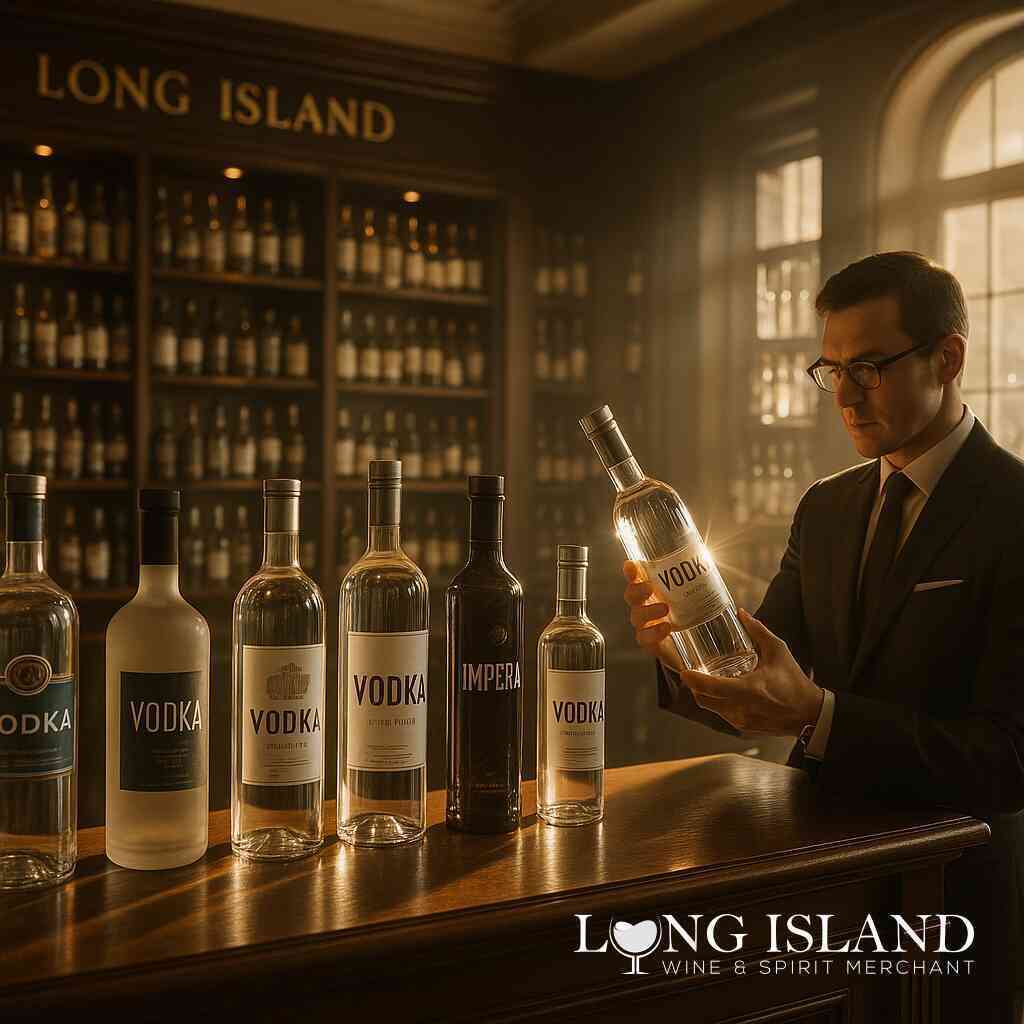
How to Choose and Appreciate Vodka at a Long Island Liquor Store
Vodka is one of the most widely consumed spirits in the world, yet many people know surprisingly little about what sets one bottle apart from another. This guide explores the key distinctions in vodka — from ingredients and distillation methods to flavor profiles and premium brands — drawing on what Long Island Liquor Store offers to help you make better, more confident choices.
What Makes Vodka Different from Other Spirits
Vodka is a distilled spirit typically defined by its clean, neutral character. Unlike whiskey or rum, it is not aged in barrels, which means its flavor comes almost entirely from its base ingredients and how it is distilled and filtered.
That neutrality is actually a strength. It makes vodka one of the most versatile spirits available, working equally well in a simple mixed drink or a carefully crafted cocktail.
Understanding Vodka Varieties and Flavor Profiles
Not all vodkas taste the same, even if the differences are subtle. Here is a quick breakdown of how ingredients affect the final product:
- Grain-based vodkas — typically made from wheat, rye, or corn — tend to have a slightly spicy or crisp finish with light cereal notes.
- Potato vodkas — a traditional choice in Eastern Europe — often deliver a fuller, creamier mouthfeel with an earthy quality.
- Grape-based vodkas — less common but worth exploring — can offer a slightly sweeter, smoother character.
Distillation and filtration also play a major role. Multiple distillations generally produce a cleaner, smoother spirit. Charcoal or quartz filtration can remove impurities and round out the flavor further.
Recognizing these differences is the starting point for building a real appreciation of vodka.
Premium Vodka Brands: What Sets Them Apart
Premium vodka brands earn their reputation through consistency, craftsmanship, and clearly defined flavor identities. They invest in quality ingredients, refined distillation processes, and often have strong regional identities that influence their character.
When browsing a well-curated selection, it helps to look beyond the label. Consider:
- Country of origin — Russian, Polish, Swedish, and American vodkas each carry different traditions and production philosophies.
- Base ingredient — as noted above, this shapes the texture and subtle taste.
- Distillation process — how many times a vodka is distilled, and what filtration method is used, affects smoothness.
- Third-party recognition — awards and reviews from credible spirits competitions can signal consistent quality.
Long Island Liquor Store carries both globally recognized premium brands and smaller producers worth discovering, giving shoppers a broad range to compare.
Vodka Cocktail Basics: Getting the Most from Your Bottle
One of vodka's greatest assets is how well it pairs with other flavors. A clean, neutral vodka lets the other cocktail ingredients take center stage. A more characterful vodka — say, a potato variety with a creamy texture — can add depth to simpler drinks.
Some reliable starting points for vodka cocktails include:
- Classic Martini — vodka, dry vermouth, and a garnish. Simple, but quality matters here.
- Moscow Mule — vodka, ginger beer, and lime juice over ice. Refreshing and easy to customize.
- Vodka Soda with fresh citrus — a low-effort option that lets a good vodka speak for itself.
- Bloody Mary — tomato juice, spices, and vodka. A bold, savory choice that pairs well with brunch.
Pairing vodka with food is also worth exploring. Light, grain-based vodkas complement seafood and mild cheeses. Earthier potato vodkas can hold their own alongside heartier dishes.
Vodka Buying Tips for Every Budget
You do not need to spend a fortune to get a quality bottle. Here are a few practical tips:
- Define your purpose — are you sipping it straight, mixing it, or gifting it? Each use case may point to a different bottle.
- Ask for guidance — staff at a well-stocked liquor store can help narrow your options quickly based on taste preferences.
- Start with mid-range bottles — before committing to ultra-premium options, explore the solid mid-tier offerings. Many are excellent.
- Consider the occasion — a casual Friday night mixer calls for something different than a thoughtful hostess gift.
Staying Current: Vodka Trends in 2026
The vodka category continues to evolve. In 2026, organic and sustainably produced vodkas are gaining meaningful traction among consumers who care about how their spirits are made. Small-batch producers are also drawing attention for their craft-focused approaches and regional ingredient sourcing.
Tasting events — like those organized by Long Island Liquor Store — offer a practical way to experience these trends firsthand before committing to a full bottle purchase.
Final Thoughts
Vodka distinction is not just about brand names or price points. It comes from understanding what goes into a bottle and why it matters. With the right guidance and a willingness to explore, building a genuine appreciation for vodka is both accessible and rewarding.
Guide to Vodka Distinction Inside Long Island Liquor Store


Comments
Post a Comment