Exploring Tequila Terroir by Region: A 2026 Buyer's Guide
Exploring Tequila Terroir by Region: A 2026 Buyer's Guide
Tequila terroir is one of the most compelling and underappreciated topics in the spirits world. Understanding where agave grows — and how that environment shapes flavor — can completely transform the way you select and enjoy tequila.
What Does Terroir Mean for Tequila?
Terroir refers to the combination of environmental factors that influence a crop: soil composition, altitude, climate, and regional conditions. In tequila production, these factors determine the character of the Blue Agave plant, which is the only agave variety legally permitted in tequila production.
Just as wine enthusiasts trace a bottle back to a specific valley or hillside, tequila drinkers can trace flavor profiles back to two primary growing regions in Mexico: the Highlands (Los Altos) and the Lowlands (El Valle). Each region tells a distinctly different story in the glass.
The Highlands: Elevation, Climate, and Floral Complexity
The Highlands sit at a higher altitude and experience cooler temperatures than other growing regions. These conditions slow the maturation of the agave plant, allowing sugars to develop gradually and with greater complexity.
The result is a tequila that tends to carry:
- Floral and aromatic notes — think jasmine, rose, and fresh herbs
- Sweet, fruity character — citrus, apple, and light tropical tones
- A smoother, more refined finish that appeals to those who enjoy subtlety
The red clay and volcanic soils of the Highlands contribute mineral richness that supports these elegant flavor profiles. For anyone drawn to tequilas with a delicate, nuanced palate, Highland expressions are generally worth exploring first.
The Lowlands: Earthy Depth and Robust Character
The Lowlands region sits at a lower altitude with warmer temperatures and a faster growth cycle for agave. This environment produces plants with a different sugar profile and a more assertive character.
Lowland tequilas are commonly recognized for:
- Earthy, herbaceous notes — roasted agave, black pepper, and dried grass
- Mineral depth — a savory, almost briny quality in some expressions
- Bold, full-bodied structure that holds up well in cocktails or sipping neat
The warm climate accelerates fermentation and intensifies the agave's natural compounds. Drinkers who enjoy a more powerful and grounded spirit often gravitate toward Lowland tequilas.
Agave Cultivation: The Foundation of Everything
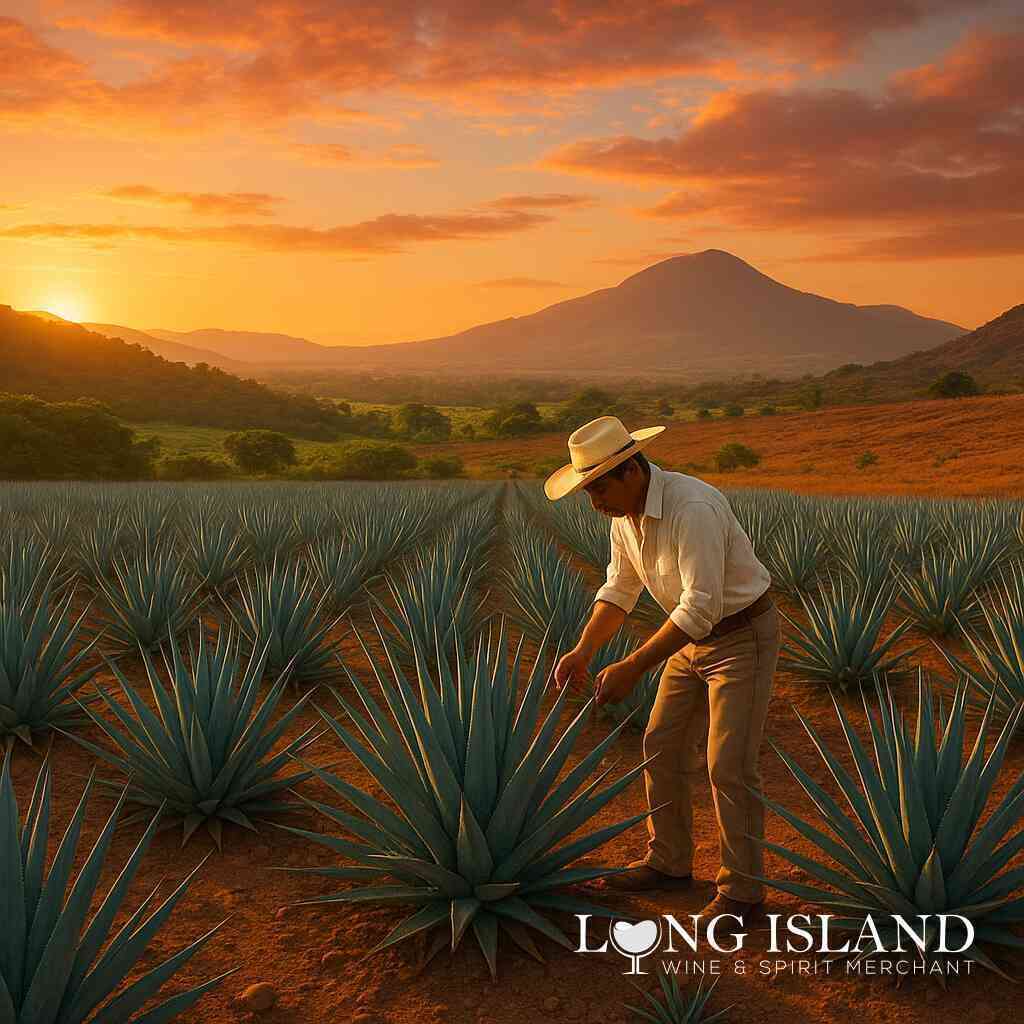
Regardless of region, the care that goes into agave cultivation directly shapes the quality of the tequila. Blue Agave plants take between seven and twelve years to reach full maturity. Farmers — known as jimadores — rely on generations of knowledge to identify the optimal harvest window.
Harvesting too early means the plant has not developed sufficient sugar content. Harvesting too late risks overripening. This level of precision is what separates a well-crafted bottle from a mediocre one.
Soil nutrition, rainfall patterns, and even the spacing between plants all contribute to the final product. Terroir is not just a backdrop — it is an active participant in production.
From Agave to Bottle: Production Methods Matter
Once harvested, the agave piñas are cooked to convert starches into fermentable sugars. Traditional producers use stone ovens and slow-roasting methods that preserve the nuanced flavors developed in the field. More modern facilities may use pressurized autoclaves, which are faster but can reduce some complexity.
Fermentation follows, where yeast — often naturally occurring in the local environment — converts sugars into alcohol. This stage reinforces the regional character already established by the terroir.
Distillation then refines the spirit. Most tequilas are distilled twice, either in copper pot stills or stainless steel columns. Each choice influences the final aroma and texture.
Aging Categories and What They Add
Beyond terroir and production, aging plays a defining role in flavor:
- Blanco (Silver): Unaged or rested fewer than 60 days. The clearest expression of terroir.
- Reposado: Aged 2 to 12 months in oak. Adds vanilla, caramel, and mild wood notes.
- Añejo: Aged 1 to 3 years. Rich, complex, and smooth — often compared to quality whiskey.
- Extra Añejo: Aged over 3 years. Deep, layered, and often the most expensive expression.
If you want to understand terroir most clearly, start with Blanco tequilas. They have no aging influence to mask regional character.
Comparing Regions in 2026
In 2026, more producers are leaning into transparency — labeling their tequilas with specific municipality origins and harvest dates. This shift makes it easier than ever to compare terroir side by side.
When tasting across regions, consider keeping notes on aroma, initial palate, mid-palate development, and finish. Small-batch and estate-grown expressions tend to show the most distinct regional identity.
Exploring tequila terroir is an ongoing education. Each bottle carries the story of its land, its climate, and the hands that cultivated it — and that story is well worth discovering.
Compare Tequila Terroir for 2026 via Order Alcohol Online


Comments
Post a Comment