Cognac Secrets Every Enthusiast Should Know in 2026
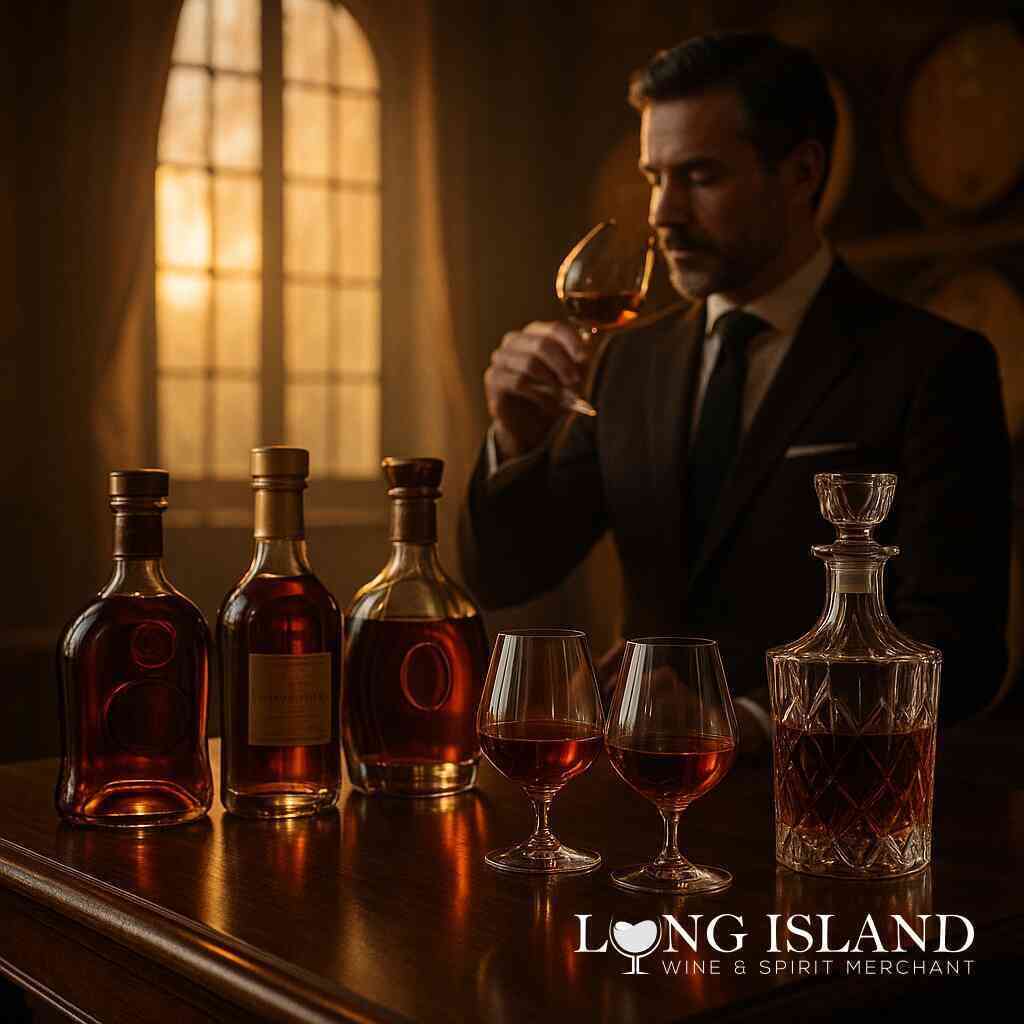
Cognac Secrets Every Enthusiast Should Know in 2026
Cognac is one of the most celebrated spirits in the world, yet much of what makes it extraordinary remains unknown to casual drinkers. This overview pulls back the curtain on the craft, history, and nuance behind this iconic French spirit — drawing on insights shared by the team at Liquor Store Open in Commack.
1. Cognac Has a Deeply Rooted History
Cognac originates from the Cognac region of France, where distillers have been perfecting their craft for centuries. The spirit was originally created as a way to preserve wine through distillation. That legacy of preservation and precision still drives production today.
2. The Distillation Process Is a Double Act
Cognac undergoes a two-stage distillation process known as à repasse, carried out in traditional copper pot stills. This method concentrates the spirit and removes impurities, producing a clean, aromatic base that is ready for aging. The grape of choice is almost always Ugni Blanc — a high-acid, low-alcohol variety that distills beautifully.
3. Barrel Selection Shapes the Final Flavor
The oak barrels used for aging are not chosen at random. Distillers typically select barrels from the Limousin or Tronçais forests in France. These woods impart specific tannins and aromatic compounds that give cognac its signature notes of vanilla, dried fruit, and warm spice. The barrel is, in many ways, a silent co-author of the final product.
4. Age Classifications Tell You a Lot
Cognac labels carry specific age designations that communicate the minimum time the spirit has spent in barrel:
- VS (Very Special): Aged at least two years
- VSOP (Very Superior Old Pale): Aged at least four years
- XO (Extra Old): Aged at least ten years
- Hors d'Âge: Beyond the standard age scale, often decades old
These classifications are regulated by French law, so they carry real meaning when you are choosing a bottle.
5. Terroir Matters Just as Much as in Wine
The concept of terroir — the environmental conditions that shape a crop — applies directly to cognac. The Cognac region is divided into six distinct growing areas called crus, each producing grapes with slightly different characteristics. Grande Champagne and Petite Champagne are considered the most prestigious, known for producing spirits with exceptional finesse and aging potential.
6. Blending Is an Art Form
Most cognac is a blend of eaux-de-vie from different crus, vintages, and ages. The master blender — known as the maître de chai — combines these components to achieve a consistent house style year after year. This is not a shortcut. It is a sophisticated skill that requires an extraordinary palate and deep institutional knowledge.
7. Cognac Is More Versatile Than You Think
Many people associate cognac strictly with after-dinner sipping, but it is a highly versatile spirit in the glass. It works well in classic cocktails like the Sidecar and the French 75, and it pairs surprisingly well with food — from dark chocolate to aged cheeses to seafood. In 2026, mixologists are increasingly incorporating cognac into inventive cocktail menus.
8. Storage and Serving Conditions Matter
To preserve cognac's quality, store bottles upright in a cool, dark place away from direct sunlight. Unlike wine, cognac does not continue to evolve once bottled, but improper storage can degrade it over time. When serving, use a tulip-shaped glass to concentrate the aromas, and allow the spirit to breathe for a few minutes before your first sip.
9. There Are Small Producers Worth Exploring
Beyond the well-known major houses, the Cognac region is home to many smaller, independent producers who craft limited-edition and single-estate expressions. These artisan bottlings often offer a more distinctive taste of a specific terroir or vintage. Exploring beyond the familiar labels can be a rewarding way to deepen your appreciation of the category.
10. Price Does Not Always Equal Quality
While premium cognacs command high prices for good reason, excellent bottles exist at every price point. A well-chosen VS or VSOP can deliver tremendous flavor and complexity. Understanding the age classifications, producer reputation, and regional origin helps you make smarter decisions without overspending.
Final Thoughts
Cognac rewards those who take the time to understand it. From the vineyards of Grande Champagne to the oak forests that supply the barrels, every element of production contributes to the spirit in your glass. Whether you are new to cognac or a seasoned enthusiast, there is always more to discover about this enduring luxury spirit.
Top 10 Cognac Secrets Revealed by Liquor Store Open Commack


Comments
Post a Comment