Understanding Tequila: Origins, Production, and Culture
Understanding Tequila: Origins, Production, and Cultural Significance
Tequila is one of the world's most recognized spirits, yet its definition goes far deeper than what you might find on a bottle label. From its roots in ancient Mexico to its modern presence in craft cocktail culture, tequila carries a rich story worth exploring.
Where Tequila Comes From
Tequila originates in Mexico, primarily in the state of Jalisco. The town of Tequila itself gave this spirit its name, and the region remains the heartland of production to this day. By law, authentic tequila can only be produced in designated areas of Mexico, making its geographic origin a core part of its legal definition.
The story begins long before Spanish colonizers arrived. Indigenous peoples of the region fermented the agave plant to create a milky beverage called pulque. When Spanish distillation techniques were introduced, that foundation evolved into the distilled spirit we now know as tequila. Every bottle reflects centuries of cultural development.
The Blue Weber Agave: Tequila's Essential Ingredient
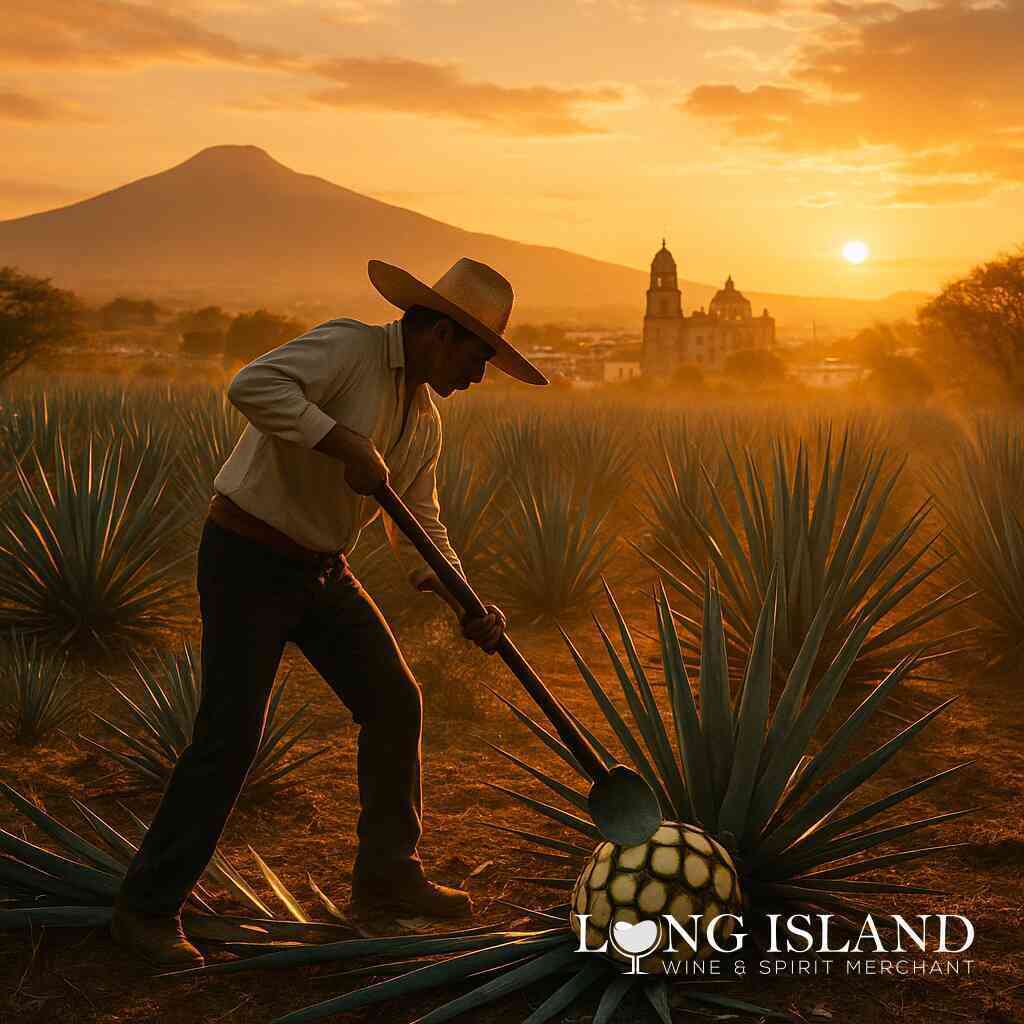
Not just any agave will do. Tequila must be made from the Blue Weber agave plant, a specific variety that thrives in the volcanic soils and arid climate of central Mexico. This plant takes anywhere from seven to ten years to fully mature before it is ready for harvest.
Skilled workers called jimadores hand-harvest the plant's core, known as the piña. These large, dense hearts are then processed to extract the fermentable sugars that ultimately become tequila. The quality of the agave at harvest plays a significant role in the character of the finished spirit.
How Tequila Is Made
The production process follows several key stages, each of which influences the final flavor.
Cooking
Once harvested, the agave piñas are cooked — either in traditional stone ovens or modern autoclaves — to convert complex starches into fermentable sugars. This step also begins to develop the signature earthy and sweet notes associated with tequila.
Extraction
After cooking, the softened agave is crushed to release its juice, often called aguamiel. This liquid serves as the raw material for fermentation.
Fermentation
Yeast is added to the agave juice, triggering fermentation. During this phase, sugars are converted into alcohol and the base aromatic profile of the spirit begins to form. Different yeast strains and fermentation conditions produce distinct flavor characteristics, which is why tequilas from different producers can taste so different.
Distillation
Tequila is typically distilled twice in pot stills. This refines the spirit, removes impurities, and concentrates the flavors that define its character. The result is a clear, high-proof liquid that may be bottled immediately or moved into barrels for aging.
Tequila Categories Explained
Understanding tequila also means understanding its main classifications, which are largely determined by aging.
- Blanco (Silver): Unaged or rested for less than two months. It delivers the purest expression of agave flavor.
- Reposado: Aged in oak barrels for two months to one year. It gains subtle woody and vanilla notes while retaining agave character.
- Añejo: Aged one to three years. Richer, smoother, and more complex in flavor.
- Extra Añejo: Aged over three years. Often compared to fine whisky or cognac in complexity.
Each category serves different purposes — blanco works well in cocktails, while aged expressions are often sipped neat.
Tequila's Role in Culture and Mixology
Tequila is deeply embedded in Mexican national identity. It plays a role in major celebrations, social gatherings, and traditional ceremonies. Beyond Mexico, it has become a global symbol of conviviality and craft.
In the world of mixology, tequila is valued for its versatility. It forms the base of some of the most popular cocktails ever created, with the margarita being the most iconic example. Bartenders in 2026 continue to explore tequila's range, pairing it with everything from fresh citrus to smoky mezcal-adjacent profiles.
Chefs have also embraced tequila as a culinary ingredient, using it in marinades, sauces, and desserts where its flavor complexity adds genuine depth.
Why the Definition of Tequila Matters
Knowing what tequila truly is helps you make better decisions when selecting a bottle. Authentic tequila carries a certification from Mexico's regulatory body and must meet strict production standards. Look for "100% Blue Weber Agave" on the label — this indicates a purer, higher-quality product compared to mixto tequilas, which can include other sugars.
Whether you are new to tequila or deepening your appreciation, understanding its origins, production, and categories gives you a meaningful foundation for every glass.
What is the Definition of Tequila at Liquor Store Open


Comments
Post a Comment