Transform Your Palate with Liquor Store Open Wine Quiz Today
Why a Wine Taste Quiz Matters
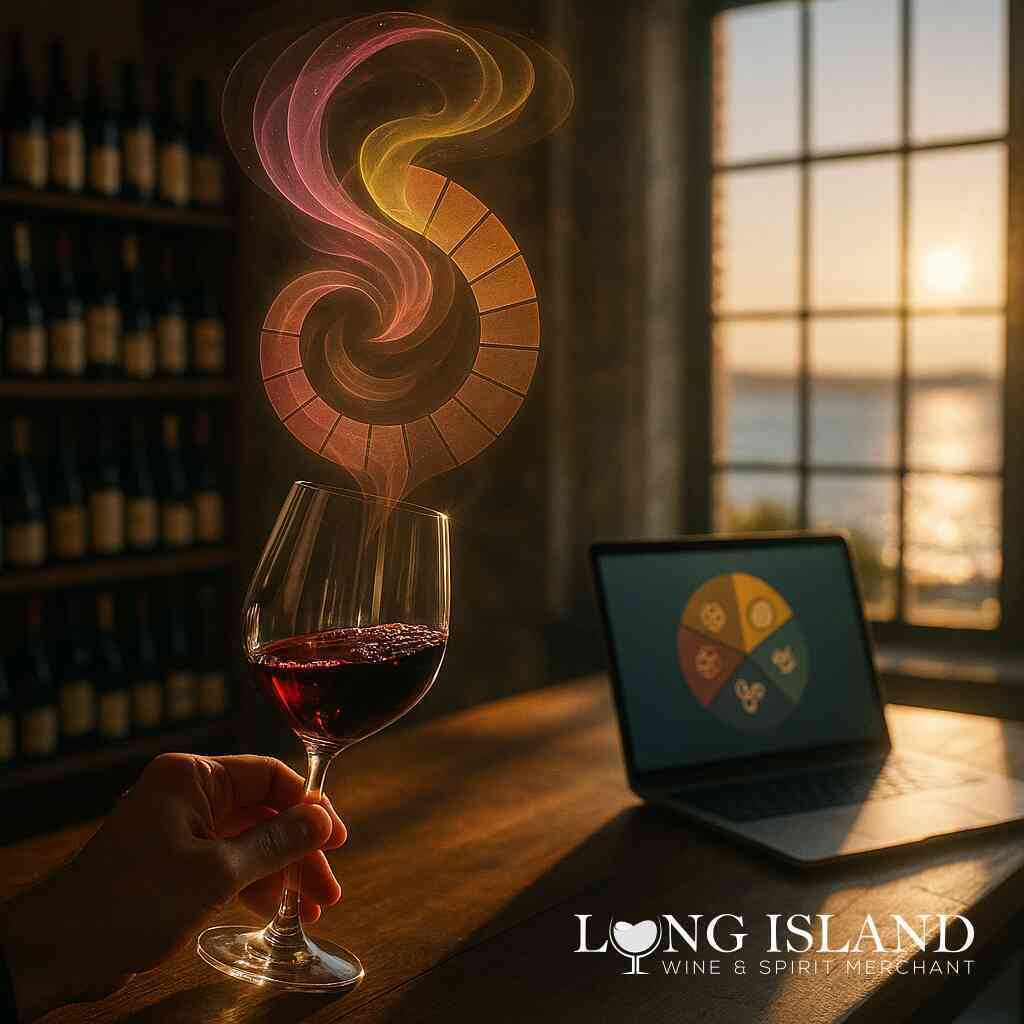
The fastest way to move from guessing to knowing which bottles you enjoy is to track your own reactions. Liquor Store Open’s interactive wine taste quiz turns that idea into an easy, five-minute exercise. Instead of memorizing regions and charts, you answer direct questions about flavor, texture, and aroma. The tool translates those answers into clear suggestions, making every future purchase more confident and rewarding.
From Commack Roots to Nationwide Reach
Liquor Store Open operates online, yet its personality is shaped by a physical tasting room in Commack, New York. Staff members routinely sample wines beside Long Island’s briny coastline, where crisp sea air sharpens their perception of acidity and minerality. Those same professionals write the quiz prompts you see on screen, so the guidance feels personal rather than automated.
- Small-town hospitality drives the tone. Each recommendation is explained in plain English, not academic jargon.
- Local food culture—think clam shacks, Italian bakeries, and backyard barbecues—informs pairing tips, giving the quiz real-world context.
- Because the store ships to all 50 states, regional favorites are balanced with bottles that travel well and stay consistent regardless of climate.
The result is a digital experience that feels like standing at the tasting counter with a friendly expert. You pick up national shipping convenience without losing that neighborhood warmth.
How the Quiz Works Step by Step
1. Aroma Wheel Selection
An interactive wheel displays dozens of everyday scents: peach, graphite, white pepper, cedar, and more. Choosing the aromas you naturally notice helps the system gauge how sensitive—or adventurous—your sense of smell is right now.
2. Fruit vs. Earth Balance
Next, a slider asks whether you usually grab fruit-forward or earth-driven wines. Moving the toggle provides a quick snapshot of your comfort zone, which steers the algorithm toward grapes that hit the same balance.
3. Texture and Body Questions
Do you prefer light, zesty whites or full-bodied reds with firm tannins? Simple multiple-choice answers prevent overthinking while still capturing critical data. The platform then narrows down style categories: Grüner Veltliner versus Chardonnay, or Pinot Noir versus Cabernet Sauvignon.
4. Oak and Spice Tolerance
Oak can add flavors of vanilla, toast, or baking spice, but too much can overwhelm delicate palates. By rating your oak tolerance on a 1-to-5 scale, you avoid bottles that feel heavy and find those that hit a satisfying middle ground.
5. Real-Time Recommendations
Immediately after you click “See my results,” the quiz delivers three tiers of suggestions:
- Comfort Picks – Safe options that mirror your current answers.
- Bridge Bottles – Labels with one new element to gently expand your range.
- Wild Cards – Wines that push boundaries while still respecting at least two of your core preferences.
Each bottle comes with tasting notes, pairing ideas, and a short educational snippet. Over time you will start spotting patterns in acidity, tannin, or aroma families, effectively building wine vocabulary without formal study.
Benefits Beyond the First Bottle
Continuous Palate Mapping
Every time you retake the quiz, previous answers merge with new feedback. A dashboard tracks shifts—maybe you have grown to like higher tannins or started noticing herbal aromas. The software updates your profile, so recommendations stay fresh instead of repetitive.
Confidence at Restaurants and Parties
Understanding why you enjoy certain wines makes it easier to order off a restaurant list or bring the right bottle to a dinner party. You can say, “I’m looking for a medium-bodied red with gentle oak and bright red-fruit aromatics,” and the sommelier will know exactly where to steer you.
Money Saved on Misses
Blind trial-and-error buying often leads to half-finished bottles. Targeted suggestions reduce those expensive mistakes. When you do decide to gamble on a wild card, you will understand the risk and the specific quality you are testing.
Using Quiz Insights for Food Pairing
The tasting notes delivered by Liquor Store Open rarely stop at the glass. They show how flavor structure interacts with everyday meals:
- High-Acid Whites – Great with fried seafood, lemon chicken, or goat cheese salads.
- Medium-Bodied Reds – Match well with pizza, pork tenderloin, or mushroom risotto.
- Hearty Tannic Reds – Stand up to grilled steak, aged cheddar, or barbecued ribs.
Because the recommendations originate in a coastal community that loves fresh shellfish and backyard grilling, the pairings feel practical, not theoretical.
Tips for Getting the Most from the Quiz
- Answer Honestly, Not Aspirationally – If you rarely enjoy heavy oak, say so. Precision beats prestige.
- Retake After Notable Bottles – Finished an unusual orange wine or a bold Syrah? Refresh the quiz to capture the new data.
- Use Personal Vocabulary – Write quick notes on what you actually taste. The skill of naming flavors grows faster than most people expect.
- Pair Experiments with Familiar Dishes – Trying an unfamiliar grape with a favorite recipe keeps at least one variable stable, making feedback clearer.
- Share Results with Friends – Comparing profiles sparks conversation and group orders tailored to everyone’s palate.
Final Thoughts
In 2026, countless apps promise algorithm-based recommendations, yet most treat wine like any other retail product. Liquor Store Open’s quiz stands out because it was designed by real tasters who still pour samples over a Commack countertop every week. That blend of human experience and smart software turns a simple series of questions into a reliable path toward palate refinement.
Whether you are new to wine or already maintain a dedicated cellar, spending five minutes with the quiz can convert random sipping into intentional discovery—one labeled bottle at a time.
How Liquor Store Open Wine Taste Quiz refines your palate


Comments
Post a Comment