Sustainable Wine Buying Guide for Commack Shoppers 2026
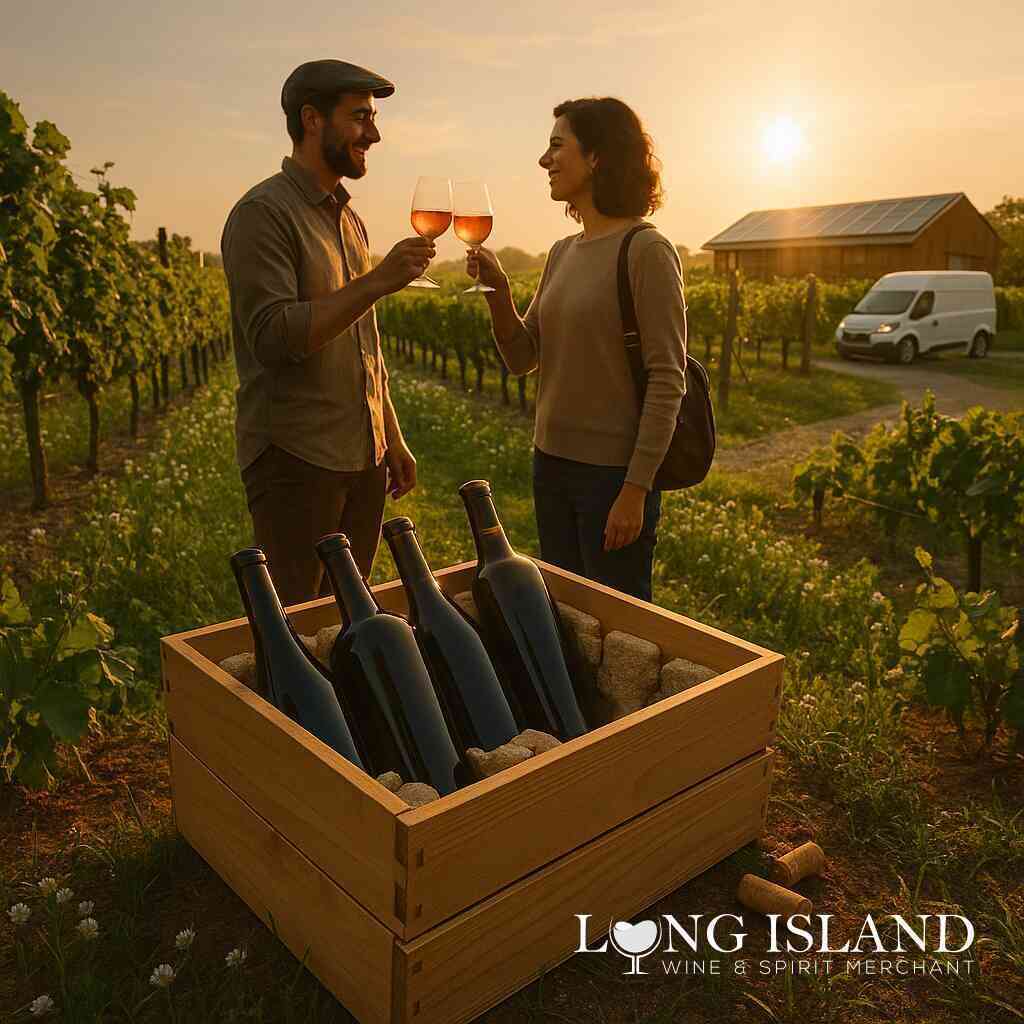
Uncorking Sustainability in Every Pour
The phrase “sustainable wine” appears on more shelves each month, but what does it mean in practical terms for someone browsing Liquor Store Open in Commack? This guide breaks down the farming methods, production choices, and shipping practices that separate an eco-friendly bottle from an ordinary one—so you can feel confident the wine in your glass supports both flavor and planet.
Why Sustainable Wine Choices Matter Locally
Commack sits close to Long Island’s groundwater recharge zones and sensitive coastal wetlands. Vineyard chemicals applied upstate or on the East End can move through shared waterways and soil systems, eventually reaching our backyards. Sustainable viticulture limits those chemicals, reduces soil erosion, and preserves biodiversity corridors that birds and pollinators rely on.
Environmental gains lead to community gains:
- Fewer synthetic inputs mean fewer dollars spent on pesticides made by large chemical firms, keeping more money with independent growers.
- Healthy soils capture more carbon, a natural buffer against rising temperatures that threaten coastal towns.
- Fair-labor certifications ensure vineyard workers earn livable wages and work in safer conditions, aligning with the social values many Commack residents hold.
Choosing a greener label is therefore an investment in local ecology, equitable employment, and long-term economic resilience.
How Sustainable Practices Look From Vine to Bottle
Sustainability starts long before harvest and continues after the cork is pulled. Below are the touchpoints that matter most.
1. Organic and Biodynamic Farming
Organic vineyards avoid synthetic herbicides and fertilizers. Instead they rely on cover crops, compost, and natural predators like ladybugs to control pests. Biodynamic farms take it a step further by following lunar cycles, integrating livestock, and making nutrient-rich “compost teas.” Both methods build soil life, which translates into healthier vines and more complex wine.
Key benefits for drinkers:
- Lower risk of pesticide residues in the final bottle.
- Purity of fruit expression—nothing masks the grape’s natural character.
- Often lower sulfur additions, useful for those sensitive to sulfites.
2. Renewable Energy and Water Management
Increasing numbers of New York wineries now power their presses and temperature-controlled cellars with on-site solar arrays or community wind programs. Many recycle process water through closed-loop systems, cutting total consumption by up to half compared with conventional cellars. When you see “renewable energy used in production” on a shelf talker, you know the winery’s carbon footprint shrinks before the wine even leaves the property.
3. Lightweight Packaging and Recyclable Closures
Glass accounts for a large share of a wine’s transport emissions. Bottles engineered with thinner walls can drop overall weight by 15–20 %, which directly lowers fuel burn during shipping. Natural cork remains renewable and biodegradable, yet even aluminum screwcaps are now produced with higher recycled content. Some producers collect used corks to upcycle into flooring and shoes, keeping waste out of landfills.
4. Smart Logistics
Liquor Store Open works with carriers that purchase verified carbon offsets for cross-country freight. On the last mile, home deliveries arrive cushioned with cornstarch peanuts that dissolve in water, not plastic bubble wrap. All these steps preserve the hard-won eco gains achieved in the vineyard.
Finding the Right Bottle for Your Taste
Sustainability only matters if the wine is delicious. One way to balance ethics and enjoyment is through a structured taste discovery process.
The Eco Palate Quiz
At the Commack store and on its website, a short quiz maps flavor preferences (fruitiness, earthiness, tannin level) against certified eco practices. Finish the quiz and you receive a personalized shortlist—maybe a low-sulfur Cabernet with dark-cherry depth or a vegan-friendly Rosé that stays bright and floral. Because the recommendations align with your sensory profile, you are more likely to finish the bottle and less likely to waste wine, adding another layer of sustainability.
In-Store Guidance
Knowledgeable staff can steer you toward organic Merlot from the North Fork or a biodynamic Chardonnay grown under maritime breezes. If you like Old World minerality, ask for a Sicilian Frappato from dry-farmed vines. Prefer richer styles? A certified sustainable Napa Zinfandel aged in neutral oak might fit the bill without racking up an enormous carbon debt.
Build a Mixed Case
A six- or twelve-bottle case built around shared farming principles simplifies decision-making. Try arranging it like this:
- Two bright whites (e.g., biodynamic Sauvignon Blanc, organic Riesling)
- Two medium-bodied reds (e.g., carbon-neutral Pinot Noir, Fairtrade Malbec)
- One skin-contact or orange wine for food experimentation
- One sparkling option made with renewable energy credits
Rotating through this set over several weeks trains your palate while demonstrating how sustainability expresses itself across grape varieties.
Everyday Tips for Greener Wine Enjoyment
- Chill efficiently. Cooling a bottle in an ice-water bath for 15 minutes uses less energy than a refrigerator left open for 10.
- Use a proper stopper. Resealing unfinished wine with a vacuum pump extends freshness, reducing waste.
- Recycle or reuse bottles. Many local farmers’ markets accept rinsed 750 ml glass for craft projects.
- Compost natural cork. It breaks down quickly in a backyard pile or curbside green-waste bin.
- Track favorites. Keep a note on your phone listing producers whose practices align with your values. Next time you shop, the research is done.
The Bigger Picture
Sustainable wine is not a niche trend; it is becoming the industry baseline. From drought-resistant rootstocks to recyclable shipper boxes, innovations arrive each vintage. For Commack shoppers, that means more opportunity to align personal taste with environmental action—and often at comparable price points to conventional options.
A greener glass does not require sacrifice. It asks for small shifts in attention: read the back label, ask one question at the register, notice lighter bottles. Those gestures ripple outward, supporting cleaner water, fairer labor, and vibrant local economies. The next time you visit Liquor Store Open, you will have the knowledge to choose a bottle that satisfies both palate and planet.
Raise a toast to thoughtful farming, transparent production, and a healthier Long Island—one sustainable sip at a time.
Sustainable wine choices decoded at Liquor Store Open NY


Comments
Post a Comment