Suffolk Gin Guide: Comparing Local Bottles on Long Island
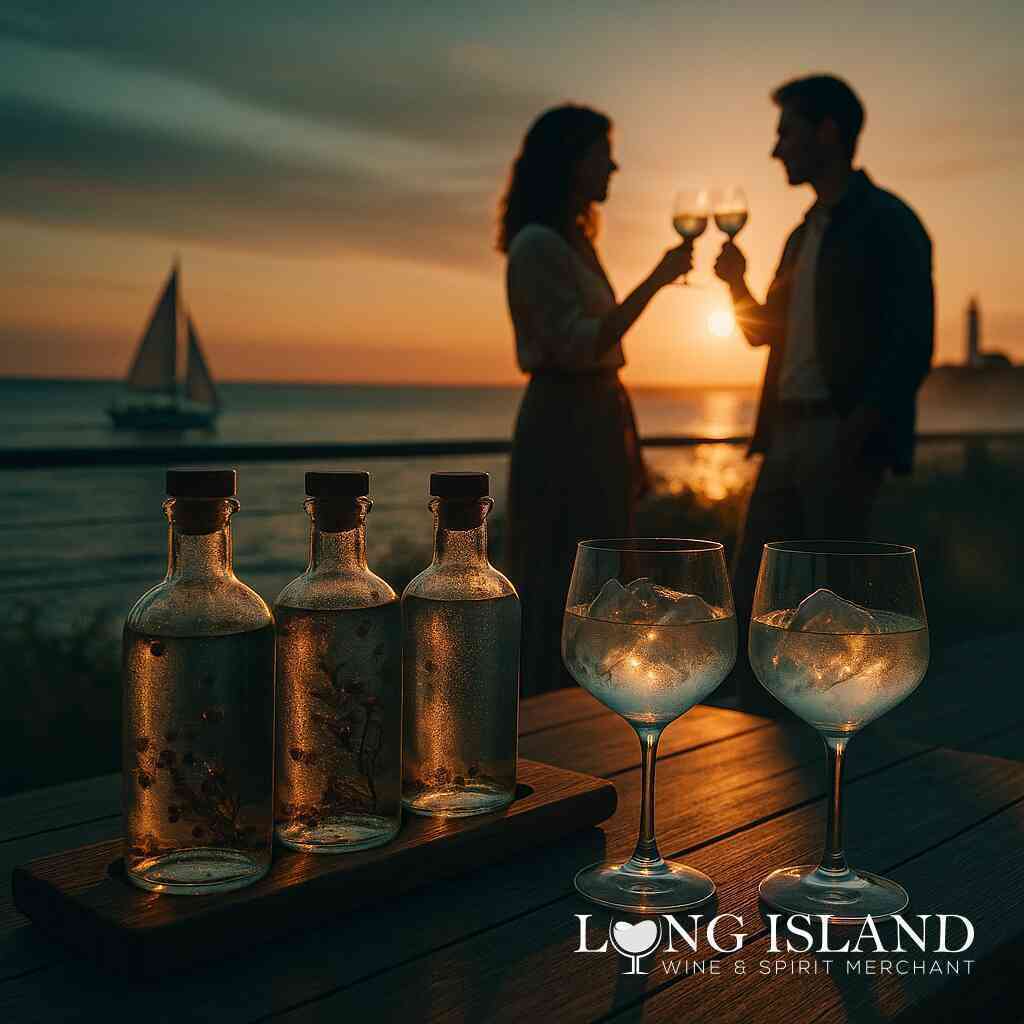
This guide compares the most distinctive Suffolk-made gins found on Long Island shelves and explains how local botanicals shape every pour. Whether you already love a bracing martini or simply want to explore beyond vodka, the notes below will help you choose the right island-born spirit.
Why Suffolk Gin Suddenly Matters
Long Island drinkers have embraced craft wine and beer for years. In 2026 gin is enjoying the same attention because it delivers two things people here already value:
- Provenance – Coastal farms, maritime winds, and small family stills give each bottle a clear sense of place.
- Complexity – Citrus, herbs, florals, and even subtle brine layer on top of classic juniper, letting one base spirit match a full menu of local seafood and produce.
Key Styles on the Shelf
Suffolk producers lean into three broad profiles. Understanding them will steer you toward a bottle that fits your bar program or gifting plans.
1. Coastal Juniper
Juniper berries harvested within sight of the Atlantic pick up faint salinity. Expect bright pine up front followed by a whisper of sea spray. A squeeze of lemon or an oyster garnish underscores that seaside snap.
Good for: Martini purists, raw-bar pairings, and anyone who finds London Dry too sharp.
2. Garden Botanical
Farms near Riverhead and Southold grow lavender, cucumbers, or heirloom tomatoes that distillers vapor-infuse for a gentler profile. The result is green, fresh, and slightly sweet, perfect in a gin & tonic with plenty of ice.
Good for: Summer porch drinks, guests who normally reach for flavored vodka, and herb-driven cocktails like the Southside.
3. Barrel-Rested
A handful of micro-distilleries age gin in neutral wine casks or used bourbon barrels for three to six months. Oak adds vanilla, honey, and light tannin while softening juniper bite.
Good for: Neat sipping, replacing whiskey in a Negroni, or cold-weather menus that call for deeper flavors.
Comparing Four Stand-Out Labels
Below is a snapshot of bottles currently rotating through Long Island Alcohol Store’s gin section. Focus on aroma first, then think about how each might match your favorite recipe.
| Label (Alphabetical) | Core Botanicals | First Impression | Best Serve |
|---|---|---|---|
| Atlantic Breaker | Beach juniper, kelp, lemon peel | Clean pine with a saline finish | 50-50 Martini, lemon twist |
| Dune Rose | Rose hips, cranberry, coriander | Tart red fruit over balanced juniper | French 75, sparkling rosé topper |
| Meadowlark | Cucumber, basil, elderflower | Cooling garden notes | Tall gin & tonic, basil leaf |
| Oak Shank Rested | Orange peel, star anise, toasted oak | Warm baking spice and subtle smoke | Barrel-aged Negroni |
How to Taste Like a Pro
- Chill the spirit to cellar temperature, not freezer cold; extreme cold mutes subtle botanicals.
- Add a few drops of cool water, swirl, and inhale through the nose with mouth slightly open; this opens florals and citrus oils.
- Sip once neat, then again with your planned mixer so you can note what changes and what stays.
- Cleanse your palate with neutral bread or a plain water cracker before moving to the next sample.
Pairing Tips for Long Island Menus
- Raw shellfish loves coastal gin because salinity echoes the ocean.
- Garden gins complement goat cheese, cucumber sandwiches, or herb salads.
- Barrel-rested versions handle smoked bluefish, grilled pork, or autumn squash soup.
Buying Smart at Long Island Alcohol Store
Long Island Alcohol Store keeps gin in a refrigerated display so citrus oils and delicate botanicals stay vibrant. If you shop in person, ask staff to unseal a sample bottle for a quick nose. Ordering online? Look for temperature-controlled shipping at checkout.
Services you may not know about:
- Engraving – A short phrase laser-etched on glass turns a limited release into a keepsake.
- Pre-built gift packs – Tonic, garnish sachets, and stemware bundled with the spirit simplify host gifts.
- Subscription case – A quarterly six-bottle case rotates new Suffolk and up-state experiments so your bar stays current without extra research.
Building a Small Gin Library at Home
Start with one bottle from each profile so you can mix any classic recipe:
- Coastal Juniper for martinis and robust seafood pairings.
- Garden Botanical for highballs and crowd-pleasing spritzes.
- Barrel-Rested for stirred, spirit-forward drinks.
Store them upright in a cool, dark cabinet. Finish open bottles within one year; fragile citrus notes fade after extended oxygen contact.
Final Thought
Suffolk gin highlights the same commitment to place and craft that made North Fork wine famous. Exploring a few bottles side by side shows how sand, sea, and farmland translate into the glass. Use the comparisons above to navigate the Long Island Alcohol Store shelves with confidence, then experiment until you find the blend of botanicals that speaks most clearly to your palate.
Compare Suffolk Gins at Long Island Alcohol Store Guide


Comments
Post a Comment