Spring Sake Trends 2026: A Long Island Buyer's Guide
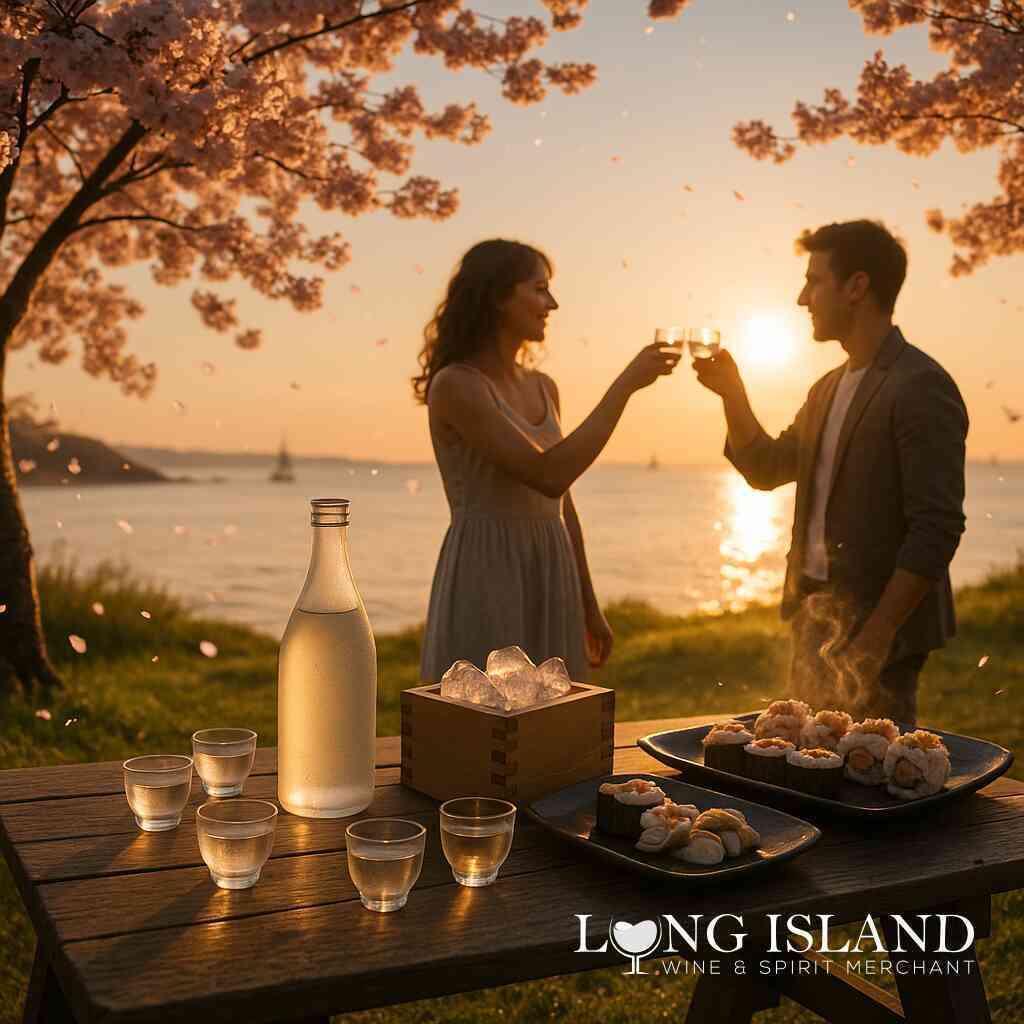
Spring Sake Trends 2026: What Long Island Drinkers Are Reaching For
Spring 2026 is bringing a noticeable shift in how Long Island shoppers approach sake. Floral-forward styles, seasonal flights, and a deeper curiosity about rice polishing ratios are shaping what lands on shelves and in glasses across the region.
This overview breaks down what's trending, what the labels actually mean, and how to approach sake with confidence whether you're a first-time buyer or a returning enthusiast.
Why Floral Sake Is Having a Moment This Spring
As temperatures climb and gardens come alive, drinkers naturally gravitate toward beverages that mirror the season. Aromatic junmai ginjo and daiginjo styles — with notes of white peach, jasmine, lilac, and orange blossom — fit that mood perfectly.
Long Island's coastal humidity and mild spring air actually enhance how aromas present in the glass. Subtle floral compounds open up at slightly cool temperatures, making a well-chosen sake feel like an extension of the landscape itself.
Many shoppers searching for something seasonal and fragrant are surprised to find that aromatic sake can rival — or outperform — a crisp Sauvignon Blanc in a springtime setting. That discovery is driving more people to explore rice wine as a serious seasonal option.
Understanding Rice Polishing: The Metric That Matters Most
The single most important — and most misunderstood — number on a sake label is the rice polishing ratio. Here's a simple breakdown:
- 70% remaining (junmai): More of the outer rice layer stays intact. Expect fuller body, earthier notes, and umami depth.
- 60% remaining (junmai ginjo): Lighter, more fragrant. Common notes include pear, green apple, and melon.
- 50% or less (daiginjo): Silkier texture, refined sweetness, and a clean, almost crystalline finish.
Polishing removes the outer protein layers that can contribute grainy or bitter qualities. The more you mill, the more refined and delicate the result — though that doesn't always mean better, just different.
A helpful way to use this information: if you enjoy crisp, high-acid whites like Albariño, a junmai ginjo around 55% polish is a natural next step. If you prefer a richer, fuller wine like oaked Chardonnay, a less-polished junmai may feel more satisfying.
How to Approach a Seasonal Sake Flight
Curated sake flights are one of the best ways to build a sensory vocabulary quickly. A well-designed flight moves through a logical progression:
- Start light — delicate floral and citrus notes to open the palate
- Move to orchard fruit — melon, peach, or pear in the mid-range
- Finish with minerality — a crisp, clean close that refreshes
This structure mirrors how local blooms unfold across spring, from early cherry blossoms to late-season wisteria. Tasting in sequence makes the differences between styles much easier to identify.
When setting up your own flight at home, temperature control matters. Serve each pour slightly chilled — not ice cold. Allowing the liquid to warm even a few degrees in the glass releases aromatic compounds that stay locked in at very low temperatures.
Practical Tips for Tasting Sake Like a Seasonal Expert
You don't need formal training to taste sake thoughtfully. A few small adjustments go a long way:
- Use garden language. Describe what you smell as honeysuckle, morning dew, or fresh herbs. It's more intuitive than technical jargon and just as accurate.
- Breathe between sips. Exhaling slowly through your nose after each taste lets aromas travel from your palate to your olfactory system, amplifying what you perceive.
- Trust your impressions. There's no wrong answer when identifying a scent. If something smells like fresh rain or white flowers, that's a valid and useful description.
- Consider the vessel. Traditional cedar masu cups subtly influence aroma. Stemmed glassware concentrates fragrance. Experimenting with both adds a new layer to the tasting experience.
Pairing Spring Sake with Seasonal Food
Spring cuisine and floral sake are natural partners. Some pairings worth trying:
- Junmai ginjo + goat cheese and herb flatbread — the acidity bridges perfectly
- Daiginjo + sashimi or light sushi — lets delicate fish flavors come forward
- Fuller junmai + grilled mushrooms or miso-glazed vegetables — earthy notes align
- Sparkling nigori + fresh strawberries or light fruit tarts — a crowd-pleasing spring dessert match
A Growing Community of Sake Drinkers on Long Island
What's clear in 2026 is that sake is no longer a niche interest on Long Island. Customer requests, tasting room feedback, and search behavior all point to a growing appetite for seasonal, aromatic styles. Shoppers are asking better questions, exploring regional differences between Niigata and Hiroshima breweries, and building personal preferences the same way they do with wine.
For anyone curious about where to start, a well-staffed local bottle shop with a rotating sake selection is the most practical entry point. Ask staff to walk you through polishing ratios and regional differences. Most are happy to help, and a short conversation can save a lot of guesswork in front of the shelf.
Exploring Spring Sake Trends with Long Island Alcohol Store


Comments
Post a Comment