Organic Spirits Guide for Long Island Liquor Store Shoppers
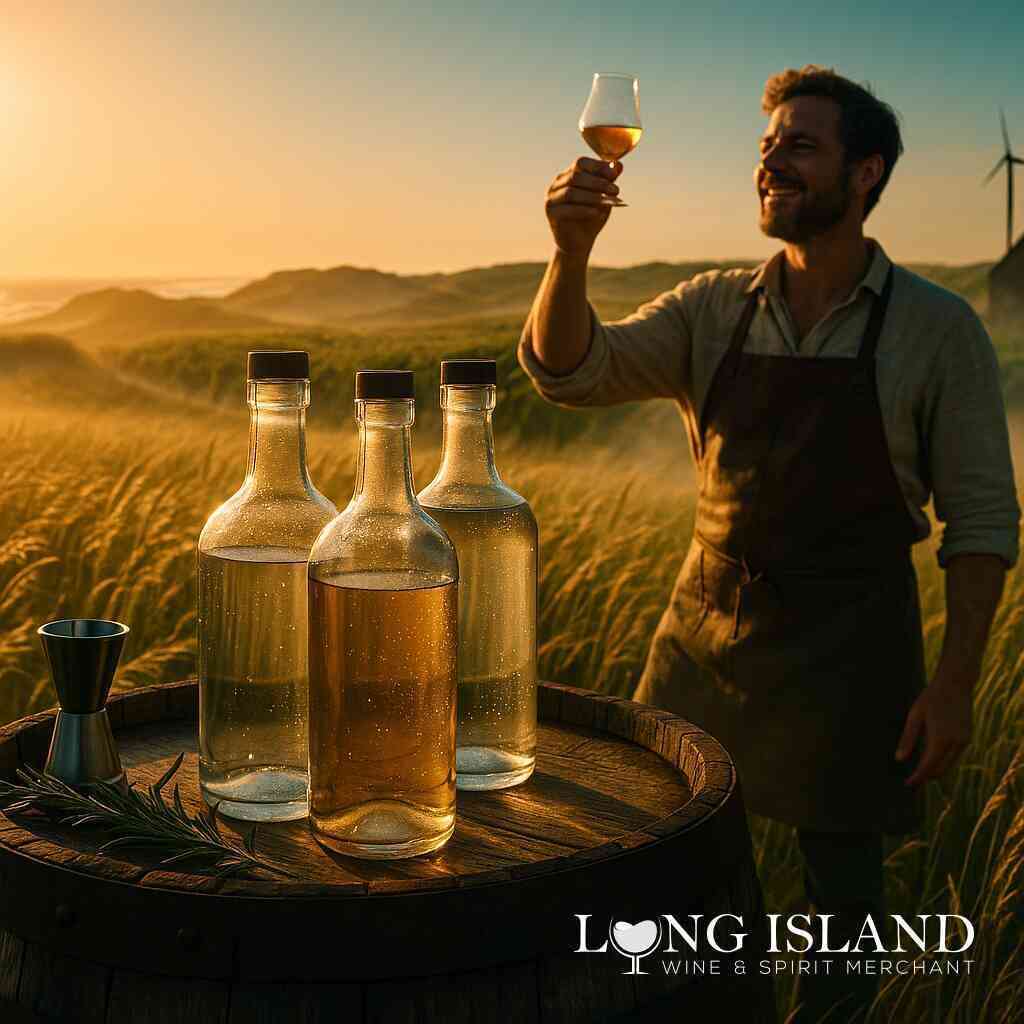
A Fresh Look at Certified-Organic Spirits
Long Island drinkers increasingly want bottles that taste great and respect the environment. Certified-organic spirits answer that call, leaving out synthetic pesticides, herbicides, and flavor-masking additives. This guide explains why the trend matters in 2026 and how the Long Island Liquor Store in Commack curates one of the region’s best organic selections.
Why Organic Certification Matters
- Cleaner fields, cleaner glass. Organic grain, cane, and fruit are grown without petrochemical inputs. That means fewer contaminants in nearby aquifers and none of the trace residues that can survive conventional distillation.
- Stronger sense of place. Healthy living soils support wild yeast populations and balanced mineral content. Distillers report brighter cereal sweetness in whiskey and more vivid botanical notes in gin.
- Support for small farms. Many organic suppliers operate on family-scale acreage across New York State. Buying their spirits keeps regional agriculture viable.
- Lower carbon footprint. Organic operations often pair pesticide-free fields with renewable energy, closed-loop cooling systems, and lightweight packaging.
From Commack Shelves to Your Door
Inside the Northgate Shopping Center, the Long Island Liquor Store dedicates an entire bay to certified-organic vodka, rum, tequila, whiskey, and liqueurs. Staff members label each shelf with production details so shoppers can see at a glance which farms, grains, and yeasts shaped a spirit’s flavor.
Prefer delivery? The store ships nationwide in recycled pulp shippers that cushion glass while cutting plastic waste. Temperature-controlled trucks protect delicate aromas, proving that eco-friendly logistics and product quality can coexist.
Tasting Notes by Category
1. Neutral Spirits
Organic vodkas made from heritage rye or winter wheat offer a silky mouthfeel and faint grain sweetness. Look for clean finishes with subtle white pepper or stone-fruit notes—proof that “neutral” does not have to mean flavorless.
2. Botanical Gin
Small-batch distillers avoid synthetic flavor extracts, relying instead on fresh, often locally foraged botanicals. Wild juniper, beach-plum skins, and organic lemon verbena give Long Island expressions a coastal aroma you will not find in mass-market gin.
3. Farm-to-Barrel Whiskey
Heirloom blue corn and Danko rye, milled the same morning they are mashed, lend bourbon and rye whiskeys depth of flavor: think caramelized honey, toasted pecan, and black-tea spice. Aging in reused wine casks reduces demand for new oak and adds subtle berry notes.
4. Biodynamic Rum
Caribbean cooperatives now cultivate cane under biodynamic principles—cover crops, lunar planting cycles, and on-site composting. The resulting rum offers ripe banana, cocoa, and a drier finish than molasses-heavy industrial versions.
5. Agave Spirits
Organic tequila and mezcal must follow strict rules prohibiting chemical herbicides in the agave fields. Expect roasted agave, white pepper, and bright citrus instead of the cloying sweetness found in some additive-laden brands.
How to Read an Organic Label
- Look for a certifying seal. USDA Organic and internationally recognized logos indicate third-party audits.
- Scan the ingredient panel. Fewer words usually mean fewer additives. Organic spirits cannot include artificial sweeteners or colorings.
- Check for batch numbers. Small lots are easier to trace back to the farm, reinforcing transparency.
- Note the proof. Many organic distillers bottle at slightly higher proof to showcase natural oils and esters without chill filtration.
Pairing Tips
- Seafood & Vodka: A chilled pour of heritage-grain vodka lifts the brine in local oysters without overpowering them.
- Charcuterie & Rye: Peppery organic rye stands up to cured meats while its hint of orchard fruit balances salinity.
- Grilled Pineapple & Rum: Biodynamic rum’s dry finish lets caramelized tropical sugars shine instead of turning the pairing too sweet.
Sustainable Entertaining Checklist
- Re-use glass tumblers instead of single-use cups.
- Offer guests a single signature cocktail that highlights one organic base spirit (less open-bottle waste).
- Compost spent citrus peels or infuse them into simple syrup for future drinks.
- Chill bottles in a sink full of ice rather than running a refrigerator all night.
Beyond the Bottle: Distillery Practices to Watch
- Renewable Steam Generation – Biomass boilers convert spent grain into energy, cutting fossil fuel use.
- Closed-Loop Cooling – Recirculated water prevents millions of gallons of runoff per year.
- Carbon Capture for Greenhouses – Some facilities pipe fermentation CO₂ into onsite greenhouses that raise seedling grain.
- Lightweight Glass – Reduces shipping weight and fuel consumption without sacrificing shelf appeal.
Frequently Asked Questions
Does organic certification change the price?
Expect a modest premium—usually $4–$8 more per bottle—reflecting labor-intensive farming and smaller batch sizes. Many drinkers consider the improved flavor and ecological benefits worth the difference.
Are all small-batch spirits automatically organic?
No. A “craft” label does not guarantee organic ingredients. Always look for certification or detailed sourcing notes.
Can organic spirits age as long as conventional ones?
Yes. Oak interacts with alcohol the same way, but pesticide-free grain often retains more vibrant aromatic compounds through the years.
Final Thought
Choosing certified-organic spirits lets Long Island drinkers enjoy richer flavor while supporting cleaner soil, water, and air. Whether browsing the dedicated aisle in Commack or ordering coast-to-coast delivery, exploring this growing category in 2026 offers a satisfying way to align taste with values.
2026 Guide to Organic Spirits at Long Island Liquor Store


Comments
Post a Comment