Long Island Alcohol Delivery: Inside the Long-Distance Process
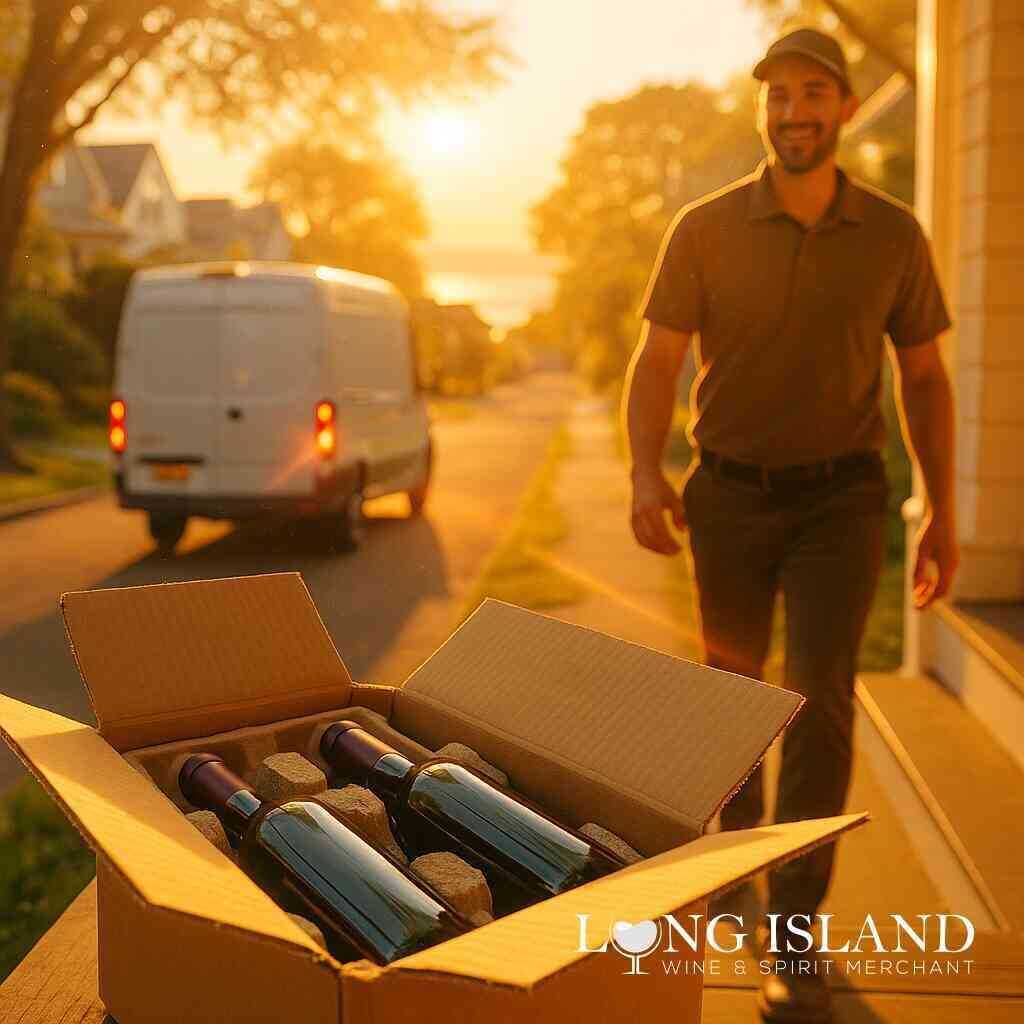
How a Neighborhood Shop Became a Nationwide Courier
Long Island Wine & Spirit Merchant started as a small Commack storefront known for curating local wine and spirits. The goal was simple: treat every bottle the way a winemaker or distiller would. That same ethos guides the store today, only the reach is now coast-to-coast. This overview explains how the team turns an online click into a perfectly packed shipment that lands safely on a front porch hundreds—or thousands—of miles away.
The Moment You Click “Add to Cart”
Ordering triggers a sequence that blends software precision with human scrutiny:
- A cloud-based inventory system confirms the vintage and quantity in real time.
- Associates pull each bottle straight from the sales floor rather than a distant warehouse, checking fill level, label integrity, and capsule condition.
- Any cork-finished bottle is angled briefly to spot seepage, a quick step that prevents surprises later.
By the time an email receipt reaches the buyer, trained staff have already handled—and approved—the merchandise.
Artisan Packing, Not Assembly-Line Boxing
Wine and spirits travel best when every variable is controlled. The Commack team relies on three safeguards:
- Impact-absorbing inserts cradle the glass so nothing inside the case can shift.
- Moisture-resistant outer cartons shield against rain or snow while in transit.
- Seasonal insulation is added when forecasts predict temperature swings that might dull aromatics or push corks.
Each order also gets a final visual check. If a wax seal looks fragile or a foil capsule sits loose, the packer replaces the piece or reinforces it before the carrier scan happens. That deliberate pace takes minutes, yet it saves many hours of potential claims and reships.
Temperature Control From Dock to Doorstep
Long Island sees freezing winters and humid summers, so climate strategy starts early. Finished cartons move into a dedicated staging room set between 60 °F and 65 °F. Pickup windows are timed so the hand-off to the carrier happens during the coolest part of the route.
For local same-day runs, insulated vans maintain cellar temperatures. For national orders, thermal liners or cold packs are added when shipments cross hot zones. Data loggers ride along on random boxes, feeding the team real-time temperature readings that guide future routing decisions.
Compliance Without the Headache
Shipping alcohol requires navigating a patchwork of state regulations. The merchant’s software verifies destination rules—age limits, bottle count caps, and label disclosures—before a label prints. Photo-ID scanners in delivery vehicles and carrier apps add a second layer, ensuring adult signatures are captured quickly and legally.
Real-Time Tracking That Stays Useful
Most carriers provide package tracking, but the store overlays that feed with its own alerts:
- Packed – confirms product selection and internal quality checks.
- Carrier Picked Up – signals the hand-off to FedEx, UPS, or an in-house driver.
- Climate Watch – triggers if a route crosses a weather advisory so customers can adjust delivery instructions.
- Out for Delivery – narrows the arrival window, handy when cold-chain items need a prompt indoor hand-off.
Clients can pause, reroute, or request a local hold if plans change mid-transit.
Same-Day Delivery on Long Island
Residents of Suffolk and Nassau counties benefit from proximity to the Commack hub. Orders placed before the posted cutoff often land on the doorstep within hours. Key factors that make this reliable:
- Dense route planning that clusters neighborhoods together.
- Local drivers who know backroads and seasonal traffic patterns.
- Insulated totes sized to single bottles or full cases, reducing movement and rattling.
A quick ID scan completes the exchange, and feedback gathered at the door feeds back into route optimization software for the next day’s runs.
Nationwide Shipping—A Curated Experience
For longer journeys, the goal is to replicate a white-glove in-store visit. Two features accomplish this:
1. Taste-Driven Reordering
An optional palate quiz maps preferred varietals, sweetness levels, and budget ranges. The system stores that profile so future recommendations stay relevant, turning routine reorders into an ongoing discovery process.
2. Collector-Level Handling
Rare allocations—think single-vineyard Bordeaux or limited-edition rye—receive serialized bottle tags and extra layers of packing. Insurance coverage is automatically adjusted to match declared value, and transit routes with fewer touchpoints are selected to limit risk.
Why “Alcohol Delivery Near Me” No Longer Means Compromise
A decade ago, convenience often came at the cost of provenance. Today, specialized retailers like Long Island Wine & Spirit Merchant prove that speed and stewardship can coexist. From cork inspection to real-time climate data, every step protects the work that began in a vineyard or distillery years earlier.
Practical Tips for Ordering With Confidence
Even with a robust system in place, a few simple actions help buyers get the best result:
- Plan for someone 21 + to sign. Carriers cannot leave alcohol unattended.
- Note local weather. If a heatwave is forecast, choose a hold-for-pickup option at the carrier depot.
- Store immediately. Wines should rest after travel; upright for 24 hours helps sediment settle before opening.
The Takeaway
Long Island Wine & Spirit Merchant has turned small-shop attentiveness into a national delivery model. Whether the destination is a Montauk beach house or a Denver condo, bottles leave Commack under the same watchful eyes that once served only walk-in customers. The result is simple: what you uncork tastes exactly as the producer intended, no matter how many miles stand between Long Island and your dinner table.
How Delivery Works with Long Island Wine & Spirit Merchant


Comments
Post a Comment