Liquor Bottle Sizes Explained for Smart Home Bars
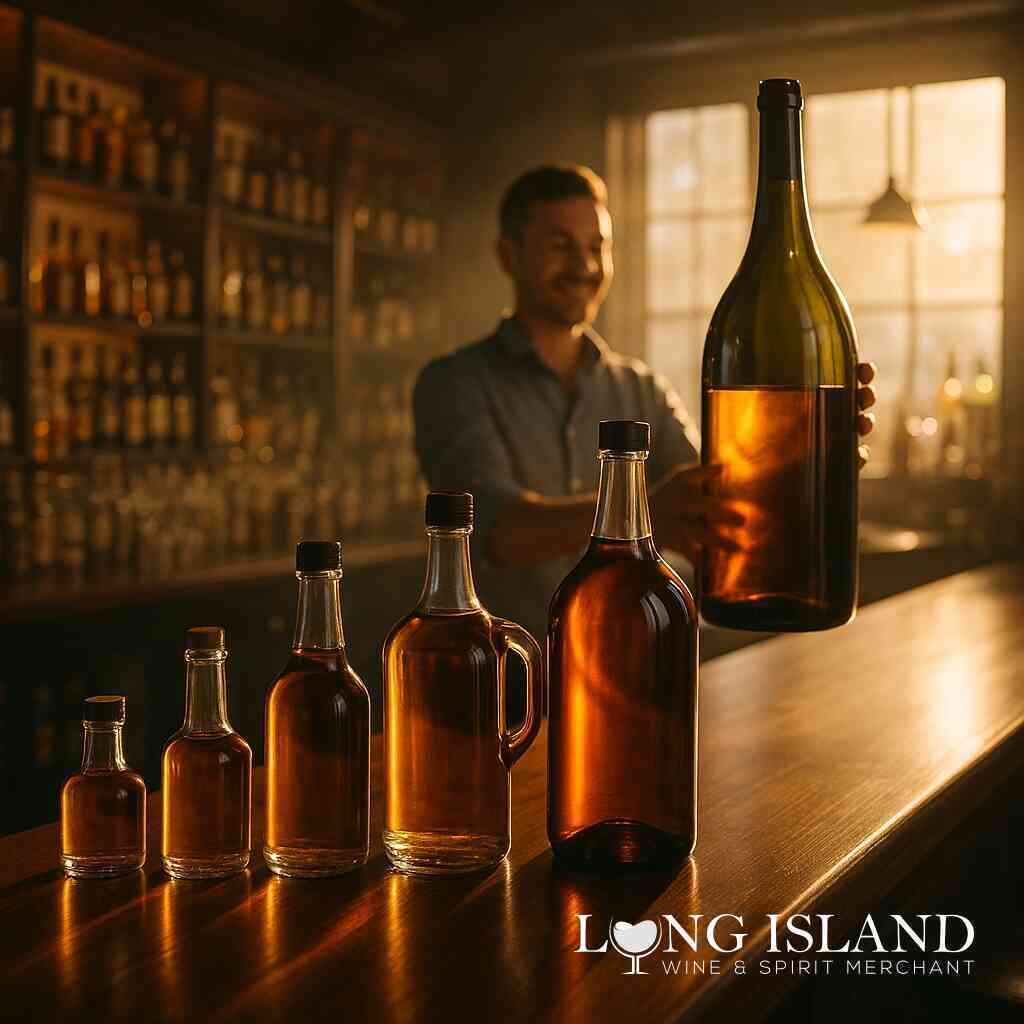
Understand Bottle Sizes Before You Buy
Knowing how many ounces or milliliters sit inside a split, pint, or handle is the fastest way to control cost and quality behind any home bar. This guide walks through the most common liquor bottle sizes, shows how to convert them, and suggests when each format makes sense. Use it as a quick reference before your next restock.
Why Size Matters in 2026
- Budget control – Cost per ounce usually drops as bottle size rises, but only if you will finish the spirit before it degrades.
- Flavor protection – Oxygen is the enemy of open bottles. Smaller formats help preserve delicate styles like cognac, while larger bottles work well for stable spirits such as vodka.
- Sustainability – Buying the right size reduces packaging waste and limits half-finished bottles that end up down the drain.
- Storage efficiency – Cabinets and bar carts have finite space. A balanced collection keeps your favorite pours accessible without clutter.
The Most Common Bottle Formats
| Name | Metric Volume | U.S. Ounces | Typical Pours (1 oz) |
|---|---|---|---|
| Split / Mini | 187–200 ml | 6.3–6.8 oz | 6–7 |
| Half-Pint | 200–375 ml | 6.8–12.7 oz | 7–12 |
| Pint | 375 ml | 12.7 oz | 12 |
| Fifth / Standard | 750 ml | 25.4 oz | 25 |
| Liter | 1,000 ml | 33.8 oz | 33 |
| Handle | 1,750 ml | 59.2 oz | 59 |
| Magnum (wine/spirits) | 1,500 ml | 50.7 oz | 50 |
| Double Magnum | 3,000 ml | 101.4 oz | 101 |
| Imperial | 6,000 ml | 202.8 oz | 202 |
The standard 750-milliliter bottle remains the backbone of most collections, offering about twenty-five one-ounce shots. Pints and half-pints provide travel convenience, while handles deliver value for large gatherings.
Quick Metric-to-Ounce Conversion
A handy rule of thumb: one fluid ounce equals 29.57 milliliters. Rounding to 30 milliliters keeps math simple in everyday planning. For example:
- 750 ml ÷ 30 ≈ 25 one-ounce pours.
- 1 L ÷ 30 ≈ 33 pours.
- 1.75 L ÷ 30 ≈ 59 pours.
When accuracy matters—such as batch cocktails—use the precise 29.57 ml figure.
Which Size Fits the Occasion?
Intimate Dinner for Two
- One 375 ml split of wine or whiskey provides tasting pours without leftovers.
- A standard 750 ml bottle of gin covers a round of martinis plus after-dinner sips.
Weekend Gathering of Six
- Two 750 ml bottles of base spirits (for example, tequila and rum) yield 50 one-ounce shots—plenty for mixed drinks over several hours.
- Consider craft bitters or liqueurs in 200 ml half-pints for specialty cocktails that use only half an ounce at a time.
Large Party or Wedding
- Handles of vodka and bourbon minimize cost per drink and reduce glass waste.
- Offer variety through mini bottles as favors so guests sample without opening full-size stock.
Aging and Collecting
- Invest in smaller bottles for high-end Scotch or cognac. Once opened, a 375 ml bottle will show less oxidation than a two-year-old half-empty 750 ml.
- Store unopened magnums of fortified wine when the goal is cellaring for future celebrations. The larger volume slows temperature swings and protects flavor.
Tips for Reducing Waste
- Track usage. Keep a simple log of pours during events to learn what truly moves.
- Seal tight. Use quality stoppers and store open bottles upright, away from heat and sunlight.
- Batch cocktails. If a bottle lingers, pre-mix a pitcher of classics such as Negronis or Margaritas and refrigerate for weekend enjoyment.
- Embrace minis. When a recipe calls for an unfamiliar liqueur, buy a 50 ml miniature first instead of a full bottle that may sit untouched.
Frequently Asked Questions
Is a 750 ml the same as a fifth?
Yes. Historically, a “fifth” referred to one-fifth of a U.S. gallon, which equals 25.6 ounces. The modern metric equivalent is 750 milliliters.
How many drinks are in a handle of vodka?
A 1.75-liter handle contains about fifty-nine one-ounce shots. For standard mixed drinks using 1.5 ounces of spirit, expect approximately thirty-nine servings.
Can wine bottle names like "magnum" apply to liquor?
They can, though usage is less common. You may see magnum or double magnum labels on specialty formats of gin, rum, or tequila, especially limited editions.
Final Thoughts
Choosing the right bottle size is part science, part strategy. Match volume to consumption speed, protect delicate flavors with smaller containers, and unlock bulk savings when a crowd is involved. With a clear grasp of milliliters, ounces, and pour counts, any home bartender can shop confidently and reduce both cost and waste in 2026.
Guide to liquor bottle sizes decoded with Liquor Store Open


Comments
Post a Comment