How a Wine Taste Quiz Can Shape Your 2026 Wine Cellar
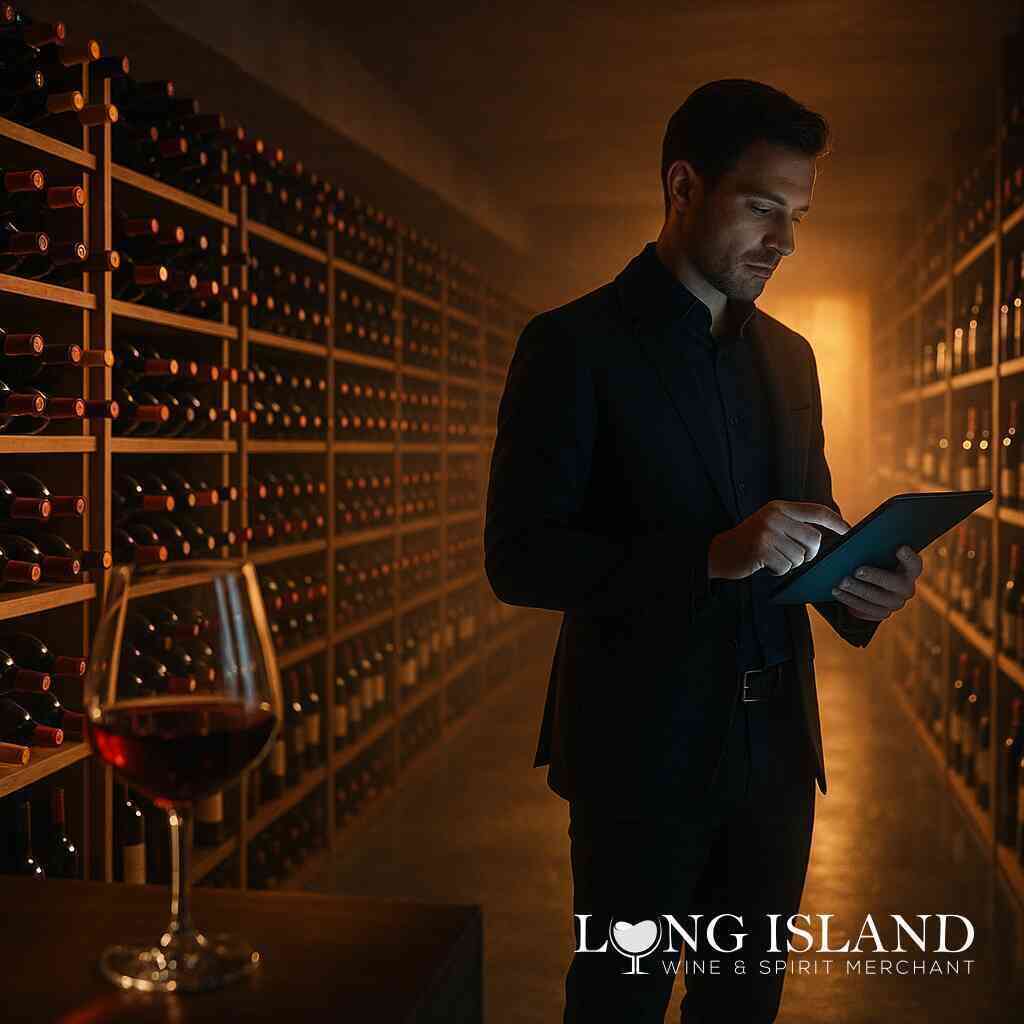
How a Wine Taste Quiz Can Shape Your 2026 Wine Cellar
Building a wine cellar that reflects your personal taste takes more than random bottle picking. Liquor Store Open has developed a taste quiz that uses your flavor preferences to forecast exactly what your collection should look like — not just today, but well into 2026 and beyond.
What the Taste Quiz Actually Does
The quiz starts simply. You answer questions about everyday preferences — how strong you like your coffee, whether you lean toward citrus or sweetness, what desserts you enjoy on weekends. These answers might seem casual, but they feed a detailed algorithm that builds your sensory profile.
Within seconds, the system narrows thousands of global wine varietals down to a focused shortlist tuned specifically to your palate. The experience feels more like a conversation with a knowledgeable friend than a product form.
From Everyday Preferences to Precise Wine Matches
Here is what makes the approach effective:
- Aroma profiling — Each flavor descriptor you choose receives a weighted score that guides the search toward specific wine regions and producers.
- Acidity and oak tolerance — The quiz accounts for structural preferences, not just fruit and sweetness.
- Climate and barrel data — Behind the scenes, the model cross-references your responses with terroir details and winemaking methods.
This combination is what separates a smart recommendation from a generic suggestion.
Sommelier Knowledge Meets Modern Technology
Liquor Store Open's system was built by Long Island sommeliers working alongside technology specialists. Classic wine service questions — the kind once reserved for fine dining conversations — now power a neural network that shapes every recommendation.
After you complete the quiz, a live specialist reviews your results. That human layer confirms the match with current inventory, checks on rare vintage availability, and respects regional shipping requirements. The technology does the heavy lifting, but experienced professionals remain part of the process.
This blend of automation and expertise is what gives the predictions real-world reliability.
Designing a Cellar Around Your Results
Quiz data only matters if it leads somewhere practical. Liquor Store Open translates your results into an actual cellar design — outlining bottle selections, aging windows, temperature zones, and even tasting calendars.
The system ranks your collection across three functional categories:
- Must-have varietals — Core bottles that consistently match your profile
- Optimal aging picks — Wines selected for long-term development and value
- Reliable everyday pours — Approachable bottles for regular use without sacrificing quality
This modular structure keeps your cellar flexible as your taste evolves or your entertaining needs grow.
Building a Future-Proof Collection
One of the smarter features of the quiz-driven approach is that it anticipates palate growth. Most people's tastes shift over time, so the recommendations deliberately blend familiar comfort wines with exploratory picks that share structural similarities.
For example, if you love a fruit-forward California cabernet, the system might introduce you to a structured Bordeaux-style blend that shares body and tannin profile — broadening your experience without jarring your palate.
Terroir analysis plays a key role here. By mapping soil type, elevation, and microclimate, the system builds a diverse cellar that still feels cohesive. New World fruit intensity and Old World minerality can coexist when selections are chosen thoughtfully.
Sustainable and Boutique Selections
Many 2026 wine collectors are paying closer attention to how their bottles are made. The quiz results surface options with transparency notes covering carbon footprint, water stewardship, and organic farming practices.
Long Island's maritime climate produces distinctive expressions — cabernet franc with herbal lift, chardonnay with saline finesse — and the team secures micro-allocations from boutique cellars that often go unnoticed in mainstream retail.
These smaller producers tend to offer excellent quality-to-price ratios and age gracefully, which makes them sound long-term investments for any serious collection.
Why This Approach Works for 2026 Collectors
The wine market is moving quickly. Vintage conditions, producer changes, and shifting consumer preferences all affect what belongs in a well-curated cellar. A static buying list cannot keep pace.
A quiz-driven, AI-supported recommendation system that also includes human sommelier review offers something more adaptive. It updates as inventory changes, responds to new release data, and keeps your collection aligned with where wine culture is heading.
For anyone looking to build or refine a cellar in 2026, this kind of predictive, data-informed approach is worth exploring. It removes guesswork and replaces it with a plan grounded in both personal preference and professional expertise.
Liquor Store Open Taste Quiz Forecasts Your 2026 Wine Cellar


Comments
Post a Comment