Essential Cognac Facts Long Island Experts Share
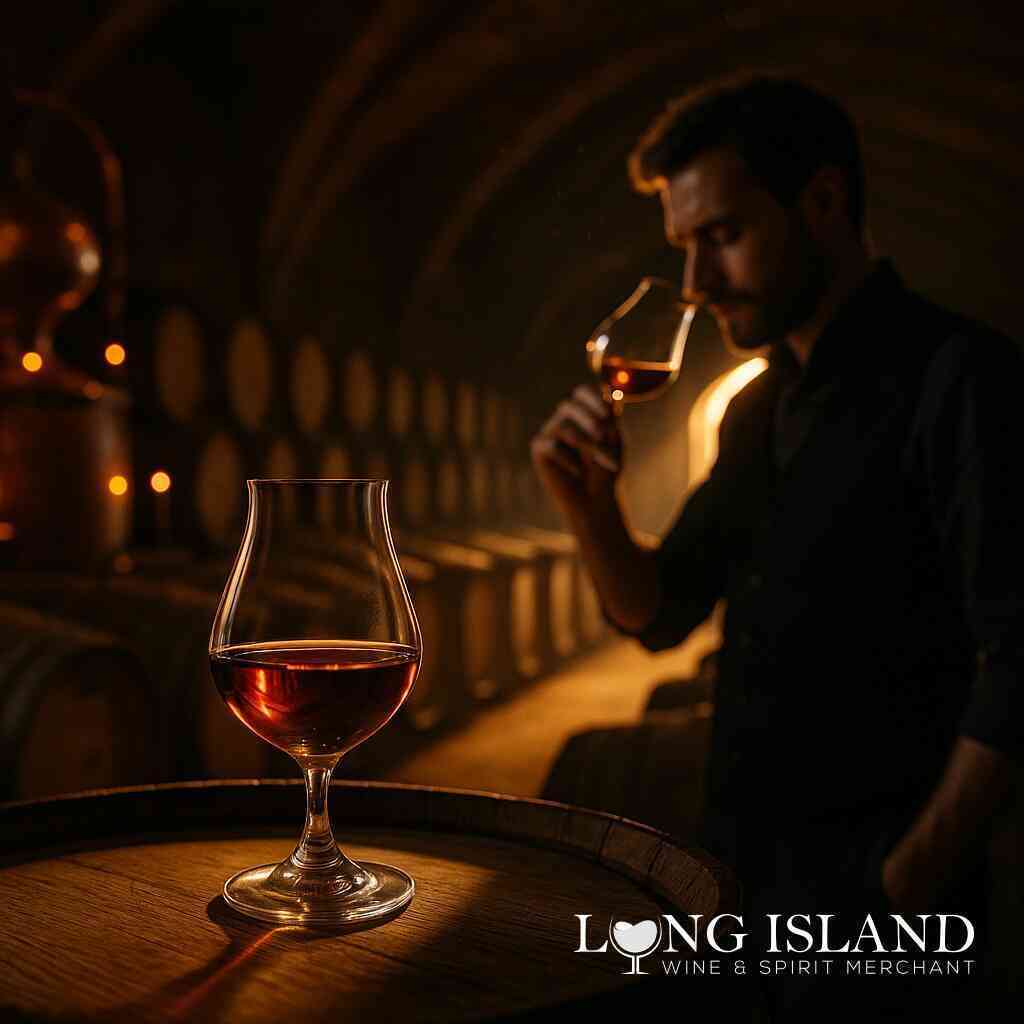
Discover Cognac Through the Eyes of Long Island Specialists
Cognac is more than a celebratory pour. It is a carefully protected French spirit with layers of history, law, and craftsmanship that shape every sip. Long Island’s top beverage buyers and educators routinely guide guests through its nuances, and their collective insight forms the backbone of this overview. Below are five key facts that help demystify cognac and elevate any tasting, whether you are stocking a home bar in Commack or fine-tuning cocktail service in Montauk.
1. All Cognac Starts With Ugni Blanc—But Terroir Sets Each Style Apart
The vast majority of cognac is distilled from Ugni Blanc grapes grown inside the tightly defined Cognac AOC. Within that region sit six crus. Grande Champagne and Petite Champagne are prized for deep chalk seams that lend acidity and staying power. Borderies, richer in clay and flint, delivers a faster-maturing eau-de-vie laced with violets and soft spice. Fins Bois, Bons Bois, and Bois Ordinaire offer rounder fruit and are often used for blends meant to be enjoyed young. Long Island spirits consultants compare the crus to North Fork vineyard blocks: soil, drainage, and exposition can push one plot toward bright citrus while another shows lush stone fruit—even with the same grape variety.
2. Double Distillation in Copper Pot Stills Is Mandatory
French law requires cognac houses to use traditional alembic Charentais stills and to complete a two-stage distillation by March 31 of the harvest year. The first pass creates the cloudy brouillis at roughly 30 % ABV; the second yields clear eau-de-vie around 70 % ABV. Copper carefully strips undesirable sulfur and promotes the formation of fruity esters. Because the process is fixed by regulation, shoppers can trust that a small Borderies estate follows the same core method as a historic Grande Champagne maison—it is the selection of grapes, cuts, and barrels that sets flavor apart.
3. Age Statements (VS, VSOP, XO) Refer to the Youngest Component
Cognac matures in French oak, usually Limousin or Tronçais, that breathes and slowly imparts color and texture. The familiar designations are minimums, not averages:
• VS (Very Special): at least 2 years in cask.
• VSOP (Very Superior Old Pale): at least 4 years.
• XO (Extra Old): now at least 10 years since the 2018 rule change.
Tasting side-by-side highlights the shift from fresh pear and white flower in VS, through honeyed orchard fruit in VSOP, to rancio-tinged dried fig and walnut in well-made XO. Long Island educators often use those benchmarks to illustrate how cellulose breakdown and slow oxidation build complexity over time.
4. Single-Estate Bottlings Offer Transparency Similar to Craft Whiskey
A growing number of producers ferment, distill, age, and bottle on the same property. These releases, sometimes labeled "Château" or "Domaine," translate individual farming decisions straight into the glass. For collectors accustomed to single-barrel bourbon, a single-estate Borderies cognac provides the same clarity of origin, yet with the extra dimension of French oak and extended aging. Because volumes are small, watching Long Island shop newsletters for periodic allocations is wise—the best parcels vanish quickly.
5. Proper Glassware and Serving Temperature Unlock Aromatics
Cognac shows its full spectrum around room temperature, about 65–68 °F. A tulip-shaped glass with a narrowed rim concentrates volatile esters toward the nose while allowing gentle aeration. Traditional balloon snifters look dramatic but can mute nuance if the bowl traps alcohol vapors. Local tasting rooms recommend a 1-ounce pour, a few minutes of rest, and a splash of room-temperature water only if the alcohol prickle overwhelms subtle florals. Pairing with neutral snacks—plain baguette or blanched almonds—keeps the palate fresh for extended evaluation.
Putting the Facts Into Practice
• Build a flight that compares a VSOP from Fins Bois with an XO from Grande Champagne. Note how acidity and chalk influence persistence on the finish.
• Explore cocktail classics—the Sidecar or Vieux Carré—by swapping a Borderies VSOP for the base spirit. Cocoa and violet notes often shine through.
• Record tasting impressions in a small notebook. Over time, recurring descriptors point to preferred crus or aging styles and guide future buying decisions.
Final Thought
Cognac rewards curiosity. Understanding grape variety, distillation rules, aging terminology, estate bottling, and proper service transforms a good glass into a memorable one. The next time you browse the shelves of a Long Island liquor shop, these five facts will help identify bottles that match your taste, budget, and sense of adventure.
Top 5 Cognac Facts from Long Island Alcohol Store Experts


Comments
Post a Comment