Discover NY Wine: Long Island Terroir & Smart Bottle Picks
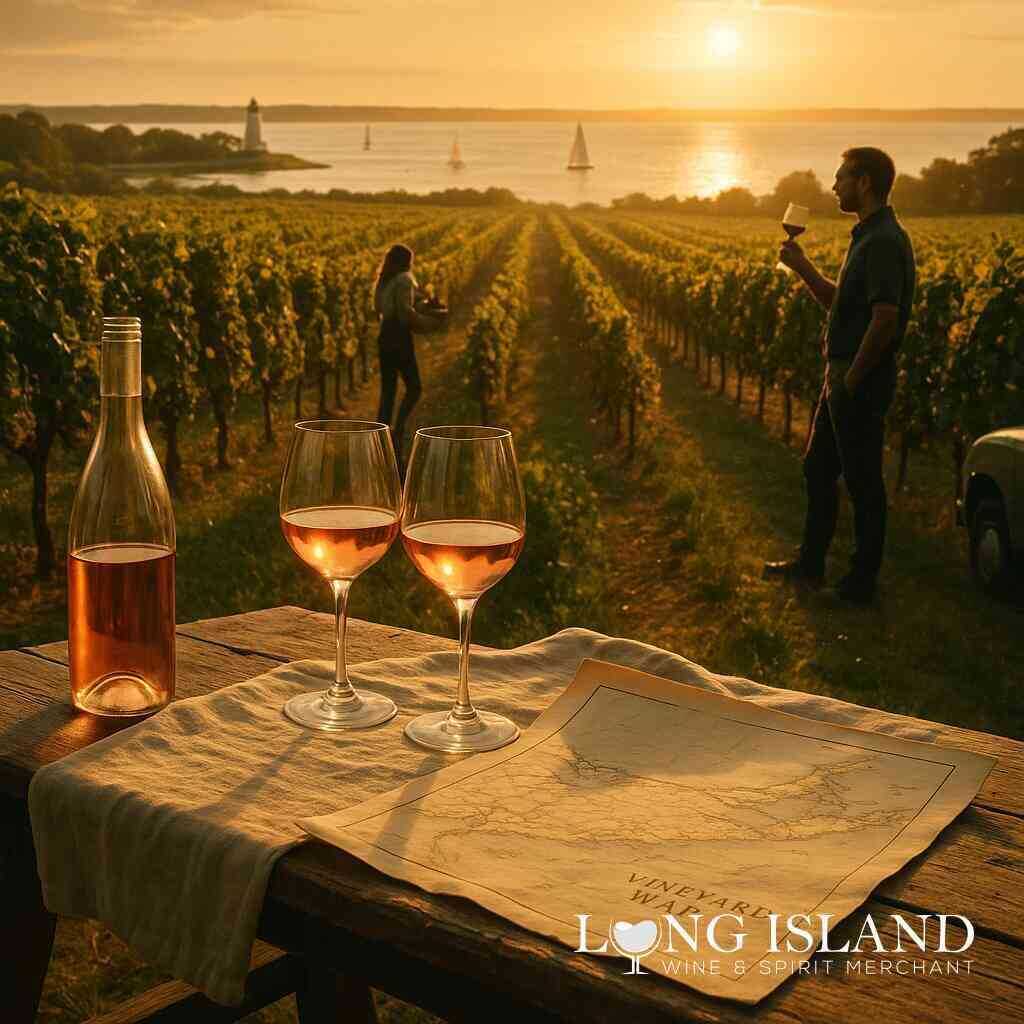
Why New York Wine Deserves a Fresh Look
New York vineyards now stand shoulder-to-shoulder with classic regions. Cooler nights, maritime breezes, and skilled small-lot winemaking give the state a distinct voice. Long Island, in particular, supplies seafood-friendly whites, nuanced reds, and vibrant rosés that rarely leave the eastern seaboard. This guide shows how to navigate those bottles with confidence, from understanding terroir to using modern tasting tools.
Long Island’s Maritime Advantage
Sandy Soils Meet Salt Air
• Drainage and heat retention – The island’s sandy loam warms quickly in spring yet sheds excess water, helping grapes ripen without dilution.
• Ocean moderation – Breezes from Long Island Sound and the Atlantic temper summer spikes and extend the growing season well into October.
• Natural acidity – Cooler nights lock in brightness, an essential trait for food-pairing whites and age-worthy reds.
Result: Sauvignon blanc bursts with lime and sea spray, chardonnay balances orchard fruit and minerality, while merlot gains plush texture without flabbiness.
The Locavore Shift in 2026
City buyers once defaulted to European labels. Today many request the specific block where a North Fork cabernet franc was grown. Locavore culture drives three noticeable trends:
- Seasonal shelves – Retailers rotate selections as new releases land, mirroring the rhythm of local harvests.
- Conversation-first shopping – Commuters swap pairing tips on trains; small apartments carve out racks just for regional bottles.
- Delivery demand – Same-day drop-offs keep fresh rosé chilled for last-minute beach plans, proving that local pride travels well.
Using a Wine Taste Quiz to Refine Choices
Even experienced drinkers can struggle to verbalize preference. Interactive quizzes help by translating taste memories—citrus zest, baking spice, silky vs. grippy texture—into specific bottle suggestions. Key takeaways when using one:
• Be honest about dislikes. Admitting you avoid heavy oak steers results toward steel-fermented chardonnay or crisp albariño.
• Update answers seasonally. A winter craving for cocoa-toned merlot can shift to zippy rosé once temperatures climb.
• Record tasting notes. Jot descriptors each time you open a bottle; feed the freshest impressions back into the quiz for tighter matches.
Coupled with staff recommendations, the tool acts like a personal sommelier available 24/7.
Core Styles to Know
1. Sea-Sprayed Sauvignon Blanc
Bright citrus, green herbs, and a salinity that mirrors the shoreline. Serve at 50 °F with shellfish, goat cheese, or grilled asparagus.
2. Oyster-Ready Chardonnay
Moderate oak (or none), showcasing pear, lemon cream, and stony lift. Excellent with raw bar platters and roast chicken.
3. North Fork Merlot
Ripe plum and black cherry backed by cedar and soft tannin. Pairs with herb-crusted lamb or aged cheddar.
4. Summer-Sun Rosé
Typically merlot-based, boasting watermelon, strawberry, and a cleansing finish. Ideal for picnic fare or spicy tacos.
5. Hudson Valley Sparkling (honorary mention)
Cool-climate acidity builds lively méthode traditionnelle cuvées. Great aperitif and brunch option.
Building a Thoughtful Home Wine Rack
A small yet versatile selection can cover most meals and moods.
| Slot | Wine Style | Purpose |
|---|---|---|
| 1 | Crisp white (sauvignon blanc) | Seafood nights, Tuesday salads |
| 2 | Fuller white (chardonnay) | Roast poultry, creamy pasta |
| 3 | Light red (cabernet franc) | Charcuterie, mushroom dishes |
| 4 | Medium red (merlot) | Steak, winter stews |
| 5 | Rosé | Patio sipping, spicy takeout |
| 6 | Sparkling | Celebrations, brunch |
Rotate bottles every few months, noting which styles disappear fastest. That pattern reveals true preferences better than any quiz.
Storing and Serving for Peak Enjoyment
• Temperature – Keep long-term bottles around 55 °F. Avoid kitchen cabinets above the stove.
• Light – UV rays fade fruit and accelerate aging; choose a dark closet or covered rack.
• Humidity – Moderate (60–70%) stops corks from drying out.
• Service glassware – Use narrower tulips for sparkling, standard stems for whites, and larger bowls for reds to maximize aroma lift.
• Decanting – Young merlot or cabernet franc often benefits from 30 minutes of air.
When to Explore Beyond Long Island
New York boasts 11 AVAs. Once you feel comfortable with coastal styles, branch inland:
• Finger Lakes – Benchmark riesling and burgeoning pinot noir.
• Hudson River Region – Heritage vineyards producing crisp cabernet franc and pét-nat.
• Niagara Escarpment – Cool-climate chardonnay with laser acidity.
Comparing these areas deepens understanding of how latitude, elevation, and soil weave into flavor.
Final Thoughts
The energy surrounding New York wine in 2026 rivals any global hotspot. Long Island’s combination of maritime climate, passionate growers, and locavore support has created bottles that reflect place as vividly as a seaside postcard. By recognizing key styles, leveraging taste-quiz technology, and caring for each purchase properly, you turn casual sipping into informed exploration—one glass at a time.
NY Wine Guide from Long Island Wine & Spirit Merchant


Comments
Post a Comment