Craft Beer Flights Guide at Long Island Alcohol Store Commack
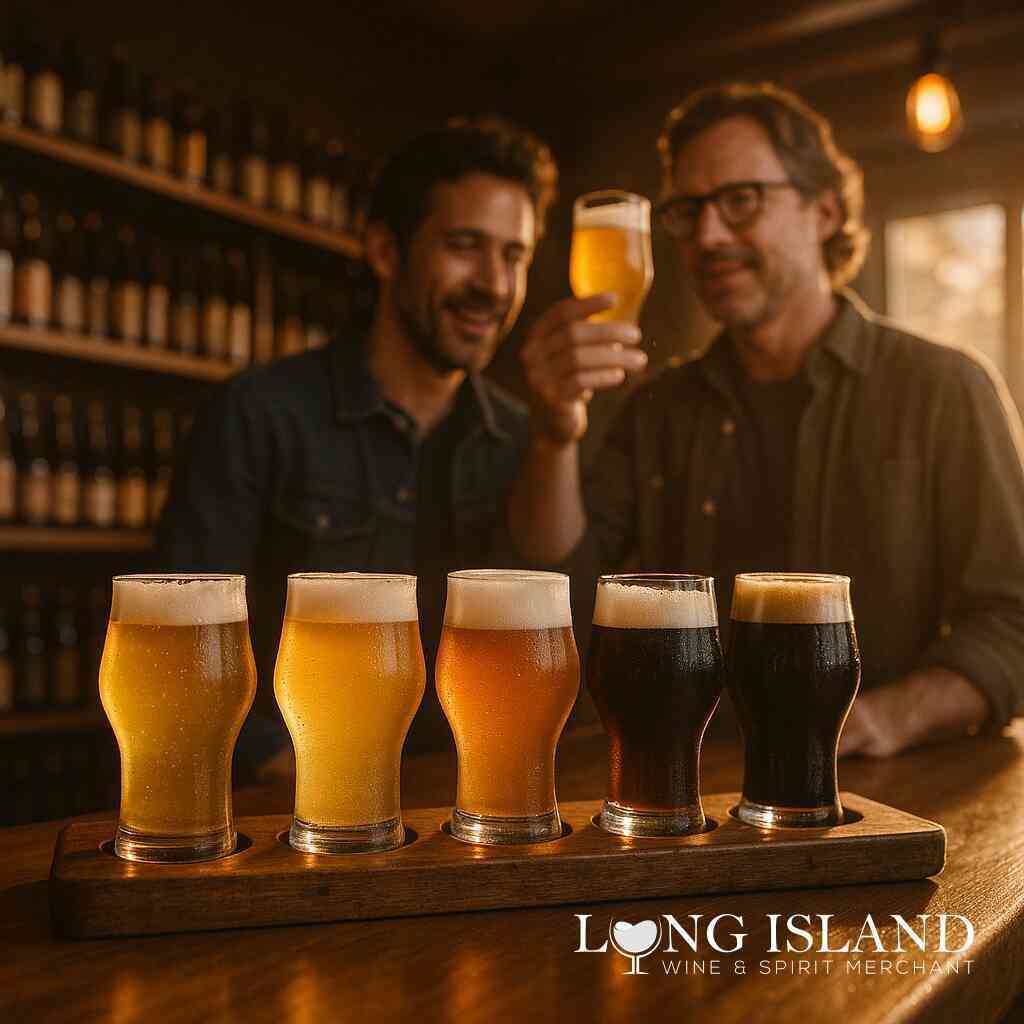
A Quick Look at Beer Flights
Beer flights turn casual sipping into a focused tasting session. Instead of committing to one full pint, you pour several small samples—usually 2–4 oz each—arranged in a logical order. The side-by-side approach lets aroma, color, and flavor differences jump out. It is an ideal way to learn what you truly enjoy before buying larger formats.
Why Start at Long Island Alcohol Store
Long Island Alcohol Store in Commack stocks a broad mix of local cans, national standouts, and rare imports. That diversity is crucial when you want a flight that teaches rather than repeats the same flavor set. Store specialists organize beers by style, bitterness, and ABV, making it easy to choose complementary pours. They will also suggest serving temperatures and glassware, removing the trial-and-error that can frustrate first-time hosts.
Key advantages:
- Wide refrigerated selection for freshness
- Knowledgeable staff who taste new arrivals weekly
- Ability to buy single cans or mix-and-match four-packs, perfect for building flights without waste
Essential Gear for a Home Tasting
- Tasting Board or Paddle – Wood, slate, or acrylic work well. Four to six glass slots keep the order clear.
- Flight Glasses – A 5 oz tulip captures hop aroma; a straight-sided mini-pint highlights lagers; having both shapes elevates each style.
- Labeling System – Chalkboard stickers or numbered coasters help guests match notes to glasses.
- Palate Cleansers – Unsalted crackers and still water reset taste buds.
- Notebook or Digital Sheet – Jotting quick comments on aroma, mouthfeel, and finish helps everyone remember favorites.
Building a Well-Rounded Lineup
Think of balance as a triangle of hops, malt, and yeast. Aim to showcase each point so the flight feels like a journey, not a one-note chorus.
Step-by-Step Framework
- Open Light – Start with a crisp Kölsch or pilsner around 5 % ABV. It preps the palate without fatigue.
- Highlight Hops – Follow with a classic West Coast IPA. Piney bitterness contrasts the lager’s subtle grain.
- Introduce Malt Depth – A Vienna or amber ale adds toasty caramel, bridging light and dark realms.
- Shift to Roast – A robust porter layers cocoa and mild espresso, showing what darker kilned malts do.
- Finish Bold – Cap the flight with an imperial stout or barleywine near 10 % ABV. Rich sweetness and higher alcohol create a natural finale.
Gradually increasing intensity helps tasters notice nuances rather than feeling overwhelmed by early bitterness or heat.
Seasonal Themes to Keep Things Fresh
• Spring – Maibock, dry-hopped pale ale, and a citrus-infused wheat beer mirror brighter weather.
• Summer – Session IPA, gose, and fruited sour keep ABV low and refreshment high.
• Autumn – Märzen, pumpkin ale, and brown porter capture toasted malt and spice.
• Winter – Barrel-aged stout, spiced Belgian dark strong ale, and coffee porter warm chilly evenings.
Rotating with the calendar makes repeat gatherings feel new even for the same group of friends.
Practical Tasting Tips
- Serve the first two styles around 40 °F and darker pours closer to 50 °F. Slight warmth opens complex aromas.
- Swirl gently, then take two quick sniffs—short inhalations reveal more than one deep breath.
- Sip twice. The first coats the tongue; the second gives a true read on balance.
- Pause at least three minutes between samples. Conversation doubles as palate rest.
Hosting Checklist
✔ Confirm enough glassware for every guest to receive the full flight at once. Passing glasses around breaks the comparative effect.
✔ Print a simple tasting sheet with columns for appearance, aroma, flavor, body, finish, and score out of ten.
✔ Offer small bites that will not clash: mild cheddar, pretzel rods, or roasted nuts. Avoid highly spiced foods until after the flight.
✔ Plan transportation. Even two ounces of a double-digit stout adds noticeable alcohol. Rideshares or designated drivers keep the evening safe.
Troubleshooting Common Hiccups
• Over-Chilled Samples – If bottles came straight from a cold refrigerator, let them rest five minutes before pouring to release aromatics.
• Foamy Pours – Tilt glasses at 45 °. Sudden upright pours agitate carbonation and waste product.
• Fatigued Palates – Provide sparkling water between rounds. Carbonation and neutral flavor scrub the tongue better than still water alone.
Advancing Your Skills
Once basic flights feel routine, explore specialty categories:
- Single-Hop Series – Compare how Citra, Mosaic, and Simcoe each express citrus, berry, or pine.
- Wood-Aged Variants – Taste the same stout aged in bourbon, rye, and rum barrels to learn how spirit residue influences flavor.
- Yeast Experiments – Wheat base beer fermented with Belgian, American, and kveik strains shows how yeast alone rewrites character.
The variety stocked at the Commack shop makes these educational sets surprisingly easy to assemble.
Final Thoughts
A thoughtfully built beer flight is both entertainment and education. With guidance from Long Island Alcohol Store, proper glassware, and a sensible order of styles, anyone can host a tasting that rivals a professional taproom experience. Approach each pour with curiosity, take brief notes, and your palate will sharpen with every session. Cheers to exploring the craft landscape—one small glass at a time.
Guide to Beer Flights via Long Island Alcohol Store Commack


Comments
Post a Comment