Commack Seafood Wine Pairing Guide | Long Island Picks
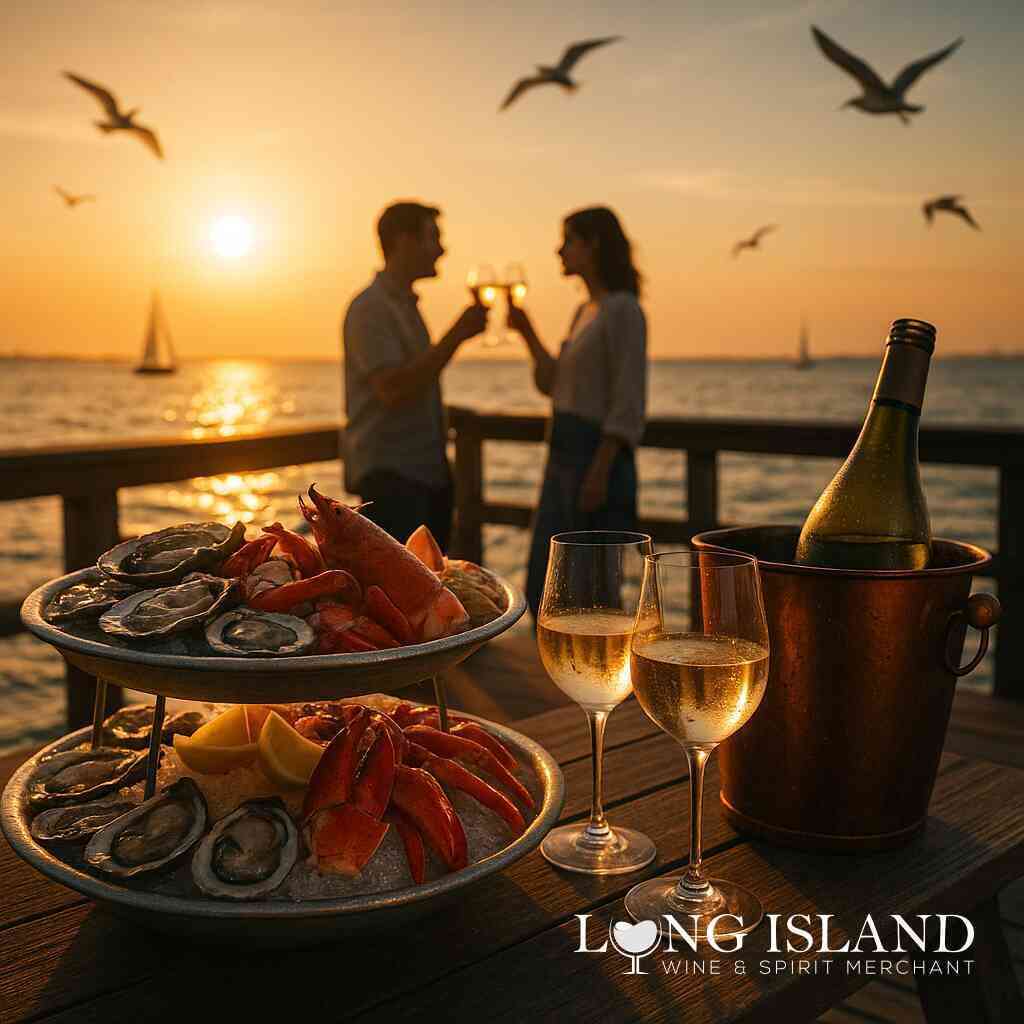
Commack Seafood Wine Pairing Guide
Fresh local catch deserves more than a random bottle pulled from the fridge. The right wine highlights sweetness in shellfish, balances briny edges, and even tempers char from the grill. This 2026 guide looks at the flavors most often found on Commack tables and matches them to bottles you can locate at a well-stocked Long Island shop.
Reading the Plate Before Choosing the Pour
Seafood is not one flavor. Think about three quick questions before reaching for a corkscrew:
- How intense is the dish? Steamed clams whisper. Blackened swordfish shouts.
- What is the dominant texture? Raw oysters feel crisp and saline; buttery lobster feels plush.
- Which accents appear on the plate? Citrus, herbs, smoke, or cream each push a pairing in a different direction.
Keep those answers in mind while scanning the racks and you will narrow options fast.
Oysters on the Half Shell
Flavor Snapshot
Briny, delicate, high salinity. Common garnishes include lemon, mignonette, or a drop of hot sauce.
Wine Match
- Sauvignon Blanc from coastal climates brings lime, grassy lift, and a precise acid line that scrubs the palate clean after every slurp.
- Muscadet offers a chalky, seashell minerality that feels almost like another tide washing over the oyster. The wine’s light body never overwhelms.
Serving Tip
Pour these wines around 45 °F. Any colder and aromatics hide; any warmer and the wine may feel flabby next to the oyster’s snap.
Clams: From Raw Bar to Chowder Pot
Raw Littlenecks
A zippy Vinho Verde or Albariño handles salt and crunch without masking the clam’s gentle sweetness.
Linguine alle Vongole
Pasta adds garlic and olive oil richness. Reach for dry Italian Vermentino or a unoaked North Fork Chardonnay. Both offer citrus and almond notes that echo the sauce without adding extra weight.
Creamy Chowder
Cream asks for more volume. A rounded Pinot Gris from Oregon or Alsace handles dairy while offering pear and spice to refresh the palate.
Lobster: Butter-Rich Royalty
Steamed with Drawn Butter
- Barrel-fermented North Fork Chardonnay carries enough toasted oak and vanilla to mimic the butter, yet stays bright with orchard fruit.
- If oak is not your style, try a white Burgundy from Chablis. The subtle kiss of wood supports texture, while high acid keeps flavors focused.
Grilled Lobster Tails
Slight char invites a light-bodied Pinot Noir. Think cranberry, soft tannin, and a savory edge that complements smoke. Chill the red for 15 minutes before pouring.
Local Fluke and Flounder
These lean fillets often meet lemon and parsley on Commack grills. A Chenin Blanc—either dry from the Loire or an apple-tinged version from South Africa—bridges citrus brightness with gentle texture. For spice-rubbed fish, swap to off-dry Riesling; a hint of residual sugar soothes heat.
Bluefish and Other Oil-Rich Catches
Strong flavors and dark flesh call for higher acid and subtle tannin. A Spanish Mencía or Beaujolais-Villages delivers red-fruit freshness without overpowering. If white is mandatory, pick a Fiano di Avellino; its nutty depth and firm structure handle oils gracefully.
Managing Seasonality on Long Island
| Suffolk boats do not land the same haul every month. Below is a quick cheat sheet that matches common 2026 seasonal landings with wine styles: | Season | Likely Catch | Reliable Wine Lane |
|---|---|---|---|
| Spring | Peconic Bay scallops | Sparkling brut rosé | |
| Summer | Striped bass | Dry rosé or Vermentino | |
| Fall | Blackfish | Light Pinot Noir | |
| Winter | Monkfish | Rich white Rhône blend |
Using a Wine Taste Quiz to Zero-In on Bottles
Even experienced hosts can stall when ten Sauvignon Blancs sit side by side. An online taste quiz that gauges sweetness, acidity comfort, and texture preferences converts guesswork into a concise shortlist. The tool cross-references your answers with store inventory, flagging bottles that align with both your plate and your palate. Revisit the quiz each season; as menus shift, your results adapt.
Quick Reference Pairing Table
| Dish | Key Wine Traits | Example Grapes |
|---|---|---|
| Raw oysters | High acid, mineral | Sauvignon Blanc, Muscadet |
| Lobster & butter | Medium acid, subtle oak | Chardonnay |
| Fried calamari | Bright acid, citrus | Albariño, Picpoul |
| Grilled shrimp | Stone fruit, light body | Viognier, Dry Riesling |
| Seared tuna | Fresh red fruit, low tannin | Pinot Noir, Gamay |
| Smoked bluefish | Saline, orchard fruit | Fino Sherry, Chenin Blanc |
Serving Temperatures in One Glance
- Crisp whites: 45 °F
- Full-bodied whites: 50 °F
- Light reds for fish: 55 °F
- Sparkling wines: 42 °F
Invest in an instant-read thermometer; guessing seldom works.
Hosting Tips from the Northgate Tasting Counter
- Salt the ice bucket. A handful of kosher salt drops serving temp by a few extra degrees quickly.
- Offer lemon wedges and neutral crackers between courses. This resets taste buds and underscores acidity in the wine.
- One bottle per two guests for a seafood-centered meal tends to hit the sweet spot without waste.
- Label the lineup. Small tags noting grape, region, and intended dish help guests follow the journey.
- Trust local knowledge. Staff who taste new releases weekly can recall which Vermentino felt more herb-driven and which Chardonnay leaned tropical.
Final Pour
Commack’s proximity to both fertile waters and world-class North Fork vineyards makes seafood pairing less about rigid rules and more about balance. Match intensity with intensity, acidity with richness, and minerality with brine. Consult a taste quiz for precision, ask shop experts for seasonal insights, and keep glassware chilled. When plate and pour sync, both shine brighter—turning any Tuesday haul into a high-seas celebration at home.
Commack Seafood Wine Pairing by Long Island Liquor Store


Comments
Post a Comment