Winter Wine Trends on Long Island: Smart Picks for 2026
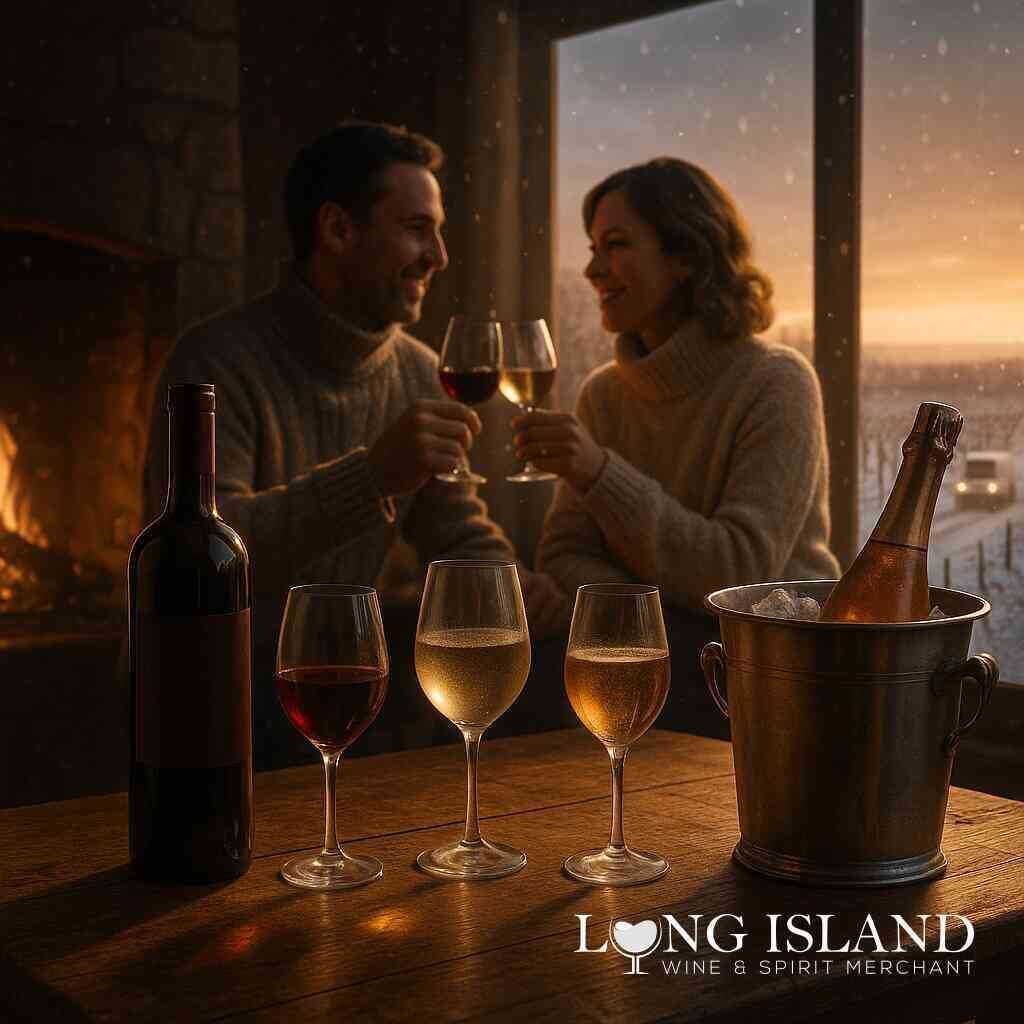
Long Island’s maritime vineyards deliver a distinct balance of ripeness and acidity that feels tailor-made for cold weather. This guide looks at why local bottles shine in winter, how to stock a versatile home rack, and which pairings can make a snowy night memorable.
Why Long Island Bottles Excel in Cold Weather
The Atlantic’s cool breezes extend the growing season, allowing grapes to ripen slowly and lock in nuanced flavors. When vines fall dormant, that retained acidity keeps wines lively, while careful cellar aging softens tannins. The result is red and white wines that bridge rich winter dishes and the brisk air outside.
Key characteristics you will notice:
- Bright acidity that refreshes the palate between hearty bites.
- Subtle salinity—a hallmark of coastal farming—that lifts fruit flavors.
- Integrated tannins after barrel aging, perfect for fireside sipping.
Because most producers are within a short drive of each other, shops across Nassau and Suffolk often receive new releases mere days after they leave the winery. Freshness stays intact, and so does the sense of place.
Embracing Snow-Day Convenience
Bad roads need not cancel good wine. Neighborhood merchants now coordinate same-day delivery with insulated totes and real-time tracking. Ordering ahead of an approaching storm can be helpful, but on-demand drop-off still keeps bottles at ideal temperature when plans change. If you prefer to plan, organizing a small seasonal cellar before January storms arrive ensures you never make an emergency run.
Building a Winter-Ready Rack
A balanced assortment combines power, refreshment, and a touch of indulgence. Use the outline below as a starting point, then adjust to your menu and taste.
- Structured Reds (6 bottles)
- 2 Merlot for versatility
- 2 Cabernet Sauvignon for depth
- 1 Petit Verdot for floral aromatics
- 1 Amarone or Amarone-style red for late-night richness
- Aromatic Whites (4 bottles)
- 2 Sauvignon Blanc to cut through creamy sauces
- 1 Dry Riesling to awaken the palate
- 1 Chardonnay—oaked or unoaked depending on preference
- Sparkling or Rosé (2 bottles)
- Brut traditional method for celebrations
- Dry rosé for lighter fare and snow-day brunch
- Fortified or Dessert Wine (1–2 bottles)
- Port-style or late-harvest Riesling for fireside desserts
Store everything at a steady 55 °F. A basement corner or small wine fridge keeps corks moist and flavors stable.
Spotlight on Robust Reds
Merlot: The North Fork Classic
Local Merlot delivers ripe plum, cedar, and a faint saline edge. Medium tannins support dishes like beef ragù or mushroom stroganoff without overwhelming them. Look for bottlings that spend 12–18 months in French oak; they often show cocoa accents that echo winter spices.
Cabernet Sauvignon: Depth and Structure
Cabernet thrives in the island’s gravelly soils, producing blackcurrant, espresso, and graphite notes. Drink young versions for bright fruit or cellar them three to five years to gain cigar-box complexity. Either way, the wine’s firm build stands up to pepper-crusted steak or a pot of short ribs.
Petit Verdot: A Floral Counterpoint
Usually a blending grape, varietal Petit Verdot surprises with violet aromatics, dark berries, and gripping tannins. Serve it with herb-roasted lamb or aged Gouda for an elevated pairing.
Amarone & Air-Dried Styles
A few experimental cellars craft reds from air-dried fruit, echoing Italy’s Amarone. Expect higher alcohol, silky texture, and flavors of raisin, chocolate, and fig. One glass can warm an entire evening, especially alongside blue cheese or bittersweet chocolate.
Whites That Cut Through Winter Richness
While red dominates snowy nights, strategic whites keep a menu balanced.
- Sauvignon Blanc: Brisk citrus and wet-stone minerality reset the palate after buttery lobster or triple-cream Brie.
- Dry Riesling: Lime zest and green apple partner with pork loin, roasted turkey, or spicy Thai takeout.
- Chardonnay: A lightly oaked version matches butternut squash soup; unoaked styles lighten creamy clam chowder.
Food Pairing Cheat Sheet
| Dish | Wine Style |
|---|---|
| Beef bourguignon | Cabernet Franc or Merlot |
| Lamb tagine | Grenache-based blend |
| Truffle mac & cheese | Oaked Chardonnay |
| Charcuterie board | Rioja, Sangiovese, or dry rosé |
| Dark chocolate bark | Amarone or Tawny-style Port |
Hosting Tips for a Snowy Weekend
- Plan progressive pours. Start with sparkling, move to whites during appetizers, shift to reds for the main course, and finish with a fortified nightcap.
- Use smaller glasses for higher-alcohol wines. Amarone or Port can sneak up on guests.
- Mind serving temperature. Reds show best around 60–65 °F, whites at 45–50 °F. A quick 15-minute chill or warm-up adjusts bottles that spent time outside.
- Label your rack. A simple tag stating intended pairing—“Stew Night,” “Cheese Board,” “Movie Marathon”—makes weeknight decisions effortless.
Final Thoughts
Winter on Long Island offers a unique tasting season. The same ocean influence that moderates summers also gifts wines with freshness to balance hearty food and roaring fireplaces. Whether you stock up through local delivery or browse a nearby merchant, building a thoughtful cold-weather assortment ensures every snowflake comes with the right pour. Savor the contrasts—crisp whites against rich sauces, structured reds beside glowing embers—and let the island’s vineyards turn each winter evening into an occasion.
Navigating Winter Wine Trends with LI Merchants


Comments
Post a Comment