Winter Rosé Guide: Compare Styles & Order Alcohol Online
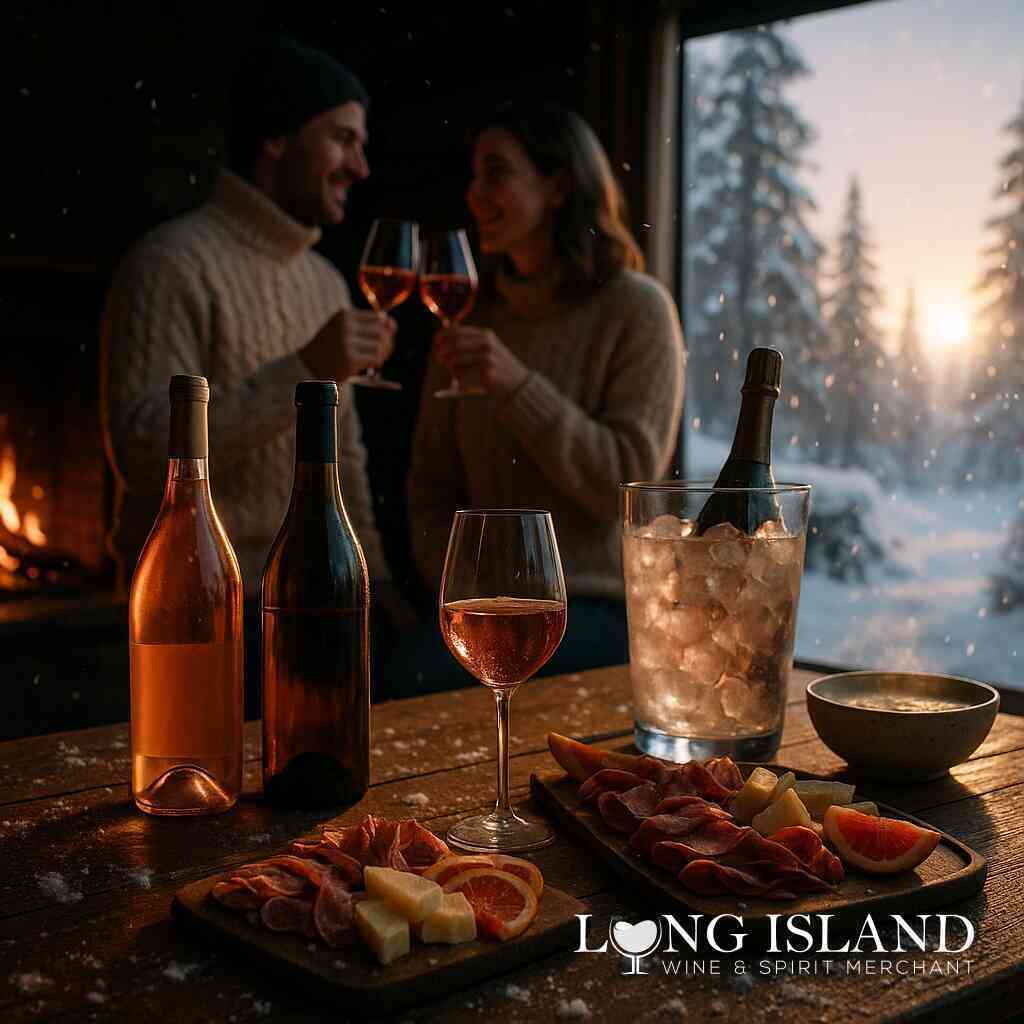
Rosé is no longer confined to patios and pool season. In 2026, winemakers and sommeliers continue to champion dry pink wine as a smart winter staple, especially for anyone who prefers to order alcohol online and have bottles arrive ready for a fireside pour. This guide compares the main rosé styles, explains why they shine with cold-weather food, and offers practical tips for choosing, storing, and serving through the darker months.
Why Rosé Belongs on a Winter Table
- Bright acidity cuts through rich dishes. Cream-based soups, cheese boards, and slow-braised meats can feel heavy without a lift; the citrus and cranberry snap in quality rosé re-sets the palate between bites.
- Moderate alcohol encourages longer gatherings. Many pink wines sit around 12 % ABV, so a second glass is less tiring than a robust red.
- Chilled service mirrors the season. A bottle served around 45 °F feels refreshing yet not ice-cold, matching the crisp air outside.
- Color psychology matters. Pale salmon or copper hues add instant visual warmth to tablescapes crowded with stews and roasts.
Three Core Style Families
1. Light-Bodied Provençal-Style
• Grapes: Grenache, cinsault, rolle
• Color: Very pale onion skin
• Flavor: Pink grapefruit, white peach, sea spray
• Best with: Raw oysters, sushi, salty snacks
• Typical price: $12–$20
These wines are fermented in stainless steel with minimal skin contact. Their razor-sharp acidity makes them ideal aperitifs and weekday sippers. Because little tannin is present, they play well with delicate seafood chowders common on winter menus along the coast.
2. Medium-Bodied Domestic Fruit-Forward
• Grapes: Pinot noir, cabernet franc, zweigelt
• Color: Pastel salmon to light ruby
• Flavor: Watermelon, ripe strawberry, hint of herbs
• Best with: Roast chicken, mushroom pasta, charcuterie
• Typical price: $18–$28
A slightly longer maceration gives these bottlings more texture without sacrificing freshness. Many come from California, Long Island, the Willamette Valley, or Austria. They hold their own next to umami-heavy dishes like miso-glazed salmon or truffle risotto.
3. Full-Bodied, Barrel-Influenced Reserve
• Grapes: Mourvèdre, syrah, garnacha
• Color: Deep coral to light copper
• Flavor: Blood orange, dried thyme, white pepper
• Best with: Lamb stew, smoked brisket, chili
• Typical price: $25–$45
Extended skin contact and partial oak aging create gentle tannins and a round mouthfeel reminiscent of light red wine. The structure stands up to heartier cuts of meat and strong spices often featured in winter comfort food.
Ordering Rosé Online When It’s Cold
• Look for retailers that use thermal liners or insulated boxes. This protects wine from sub-freezing conditions that can push corks or dull aromatics.
• Opt for tracked delivery. Real-time updates let you bring bottles indoors quickly, avoiding porch chill.
• Take advantage of mixed-case discounts. A sampler of several styles ensures at least one pairing match for every dinner plan.
• If you live in a region with severe storms, choose “hold at carrier location” so packages wait safely indoors instead of on a truck overnight.
Serving and Storage Pointers
- Chill light rosé to 45 °F; serve fuller styles around 50 °F so spice and herb notes emerge.
- Use white-wine stems. The narrower bowl keeps temperature steady and focuses aroma.
- Finish opened bottles within two days. Reseal with a vacuum stopper and refrigerate to preserve the vibrant fruit.
- Store unopened bottles on their side in a cool, dark spot. Unlike big reds, most rosé is built for freshness, not long aging; plan to drink within a year of purchase.
Budget Picks Under $20
• Mediterranean grenache rosado: light body, briny finish.
• Austrian zweigelt rosé: red-berry crunch, energetic acidity.
• Long Island cabernet-franc rosé: floral nose, tart cherry core.
Inexpensive does not mean simple. Stainless steel fermentation preserves delicate aromatics, and lower alcohol keeps weeknight enjoyment easy. Having three or four budget bottles on hand makes impromptu tastings effortless when friends drop by after a snowy commute.
When to Splurge on Reserve Bottles
Spend a bit more when the menu features smoked game, aged Gouda, or anything with significant char. The gentle tannin and subtle oak of a Bandol or Tavel rosé echo the savory depth in these dishes without the heaviness of a full red. Pour slightly warmer and allow ten minutes in the glass for layers of dried herb and citrus peel to unfold.
Sparkling Pink for Celebrations
Traditional-method sparkling rosé undergoes a second fermentation in bottle, creating fine bubbles and brioche complexity. It pairs beautifully with fried chicken, triple-cream cheese, or even buttered popcorn for movie night. Pétillant-naturel (pét-nat) rosé, by contrast, is bottled before primary fermentation finishes, locking in playful fizz and bold strawberry aromas. Both styles arrive safely via online order if shipped in molded pulp shippers designed for pressure-sensitive bottles.
Quick Reference Checklist
✔ Choose style based on dish weight: lighter rosé for seafood, fuller for red meats.
✔ Verify insulated shipping when temperatures dip below 40 °F.
✔ Serve between 45 °F and 50 °F; use white-wine glasses.
✔ Finish within two days once opened.
✔ Keep one sparkling rosé on hand for last-minute toasts.
Rosé’s versatility, moderate strength, and palate-cleansing lift make it a practical—and visually cheering—addition to any winter cellar. By comparing styles and ordering alcohol online from a reliable retailer, you can curate a selection ready for everything from quiet weeknight takeout to the season’s biggest holiday feast.
Compare Rose Styles with Order Alcohol Online Winter 2026


Comments
Post a Comment