Vintage vs Modern Spirits on Long Island: Flavor Guide
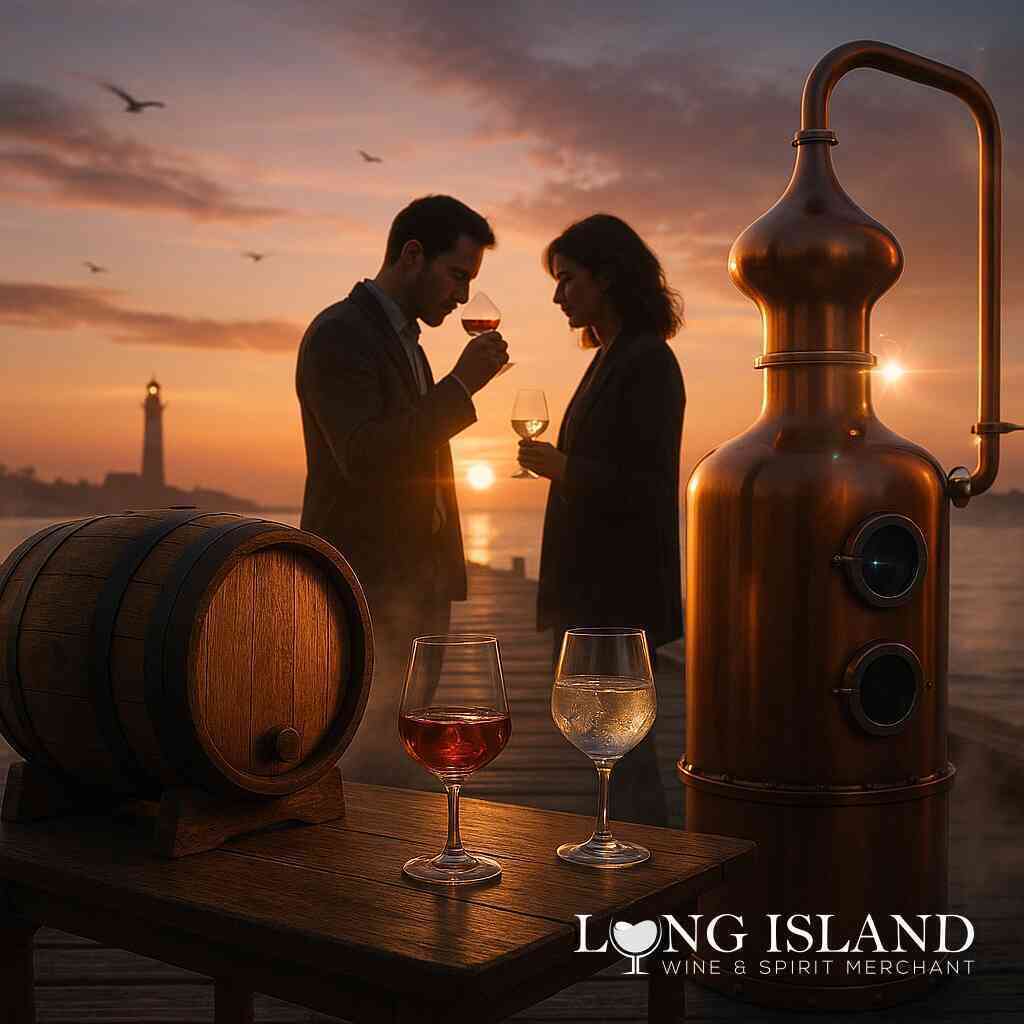
Exploring Long Island’s Past and Future in the Glass
Long Island drinkers today stand at a rare crossroads. Shelves hold dusty bourbon bottled before many of us were born, but the same aisle also shows off gins vapor-infused last week. This guide compares vintage and modern spirits, explains why each matters, and offers tasting tips for enthusiasts from Montauk to Mineola.
What Makes a Spirit “Vintage”?
A bottle is usually called vintage when one or both of these apply:
- Age in glass or barrel. The liquid rested for decades before release or was bottled long ago and never opened.
- Historic production methods. Discontinued mash bills, extinct yeast strains, or defunct distilleries give the spirit a snapshot of another era.
Because wood, oxygen, and even old cork interact slowly over time, vintage whiskey often shows complex notes of dried fruit, tobacco, saddle leather, and rancio that newer stock rarely mirrors. Opening such a bottle can feel ceremonial—one quick sniff transports you to the rickhouse where it first slept.
Why Vintage Still Resonates Locally
- Nostalgia – Many Long Islanders have family roots tied to early Irish or Scotch immigration. A dram from the 1970s can stir stories at the dinner table better than any slideshow.
- Scarcity – Once a vintage barrel is gone, it is gone forever. Collectors appreciate that built-in rarity.
- Patience Rewarded – Older liquids remind us to slow down. In a region accustomed to commuting haste, that reminder feels welcome.
The Modern Movement: Tech, Terroir, and Bold Botanicals
New-age producers embrace small batches, local grains, and experimental gear:
- Vacuum or cold distillation keeps fragile citrus oils intact for bright gins.
- Hybrid barrels—tequila finished in Cabernet casks, rum in stout barrels—add unexpected flavor layers.
- Non-traditional bases turn vodka into a conversation piece when made from sweet potatoes, honey, or Long Island corn.
- Transparency over age—instead of boasting years, labels list the exact rye ratio, type of yeast, and provenance of every botanical.
The result is a fresh, expressive spirit built for craft cocktails as much as neat pours.
Why Modern Spirits Thrive on Long Island
- Local Agriculture – Suffolk County farms supply grains, grapes, even herbs, letting distillers capture true regional terroir.
- Culinary Culture – A vibrant restaurant scene demands beverages that stand up to inventive menus.
- Environmental Awareness – Younger consumers favor distilleries that source sustainably and disclose their carbon footprint.
Age Statement vs. No Age Statement (NAS)
Traditionally, an age statement assured buyers that the youngest drop in the bottle met a minimum year count—often twelve, sixteen, or twenty-one. While maturity still matters for many styles, excellent NAS releases now rival older siblings by blending youthful zest with carefully selected mature components.
Key points when comparing the two:
- Flavor Profile – Age tends to deepen oak, caramel, and spice. Younger blends lean bright, grain-forward, and fruity.
- Value – NAS options often cost less per sip yet deliver quality when skillfully blended.
- Intended Use – A complex, earthy 25-year whisky shines neat; a modern NAS rye might excel in a Manhattan where vibrant spice cuts through vermouth.
Practical Tasting Tips
- Set a Neutral Baseline – Rinse glasses with room-temperature water and avoid scented candles nearby.
- Taste Chronologically – Start with lighter sprits (vodka, blanco tequila), move to aged rum or whiskey, and finish with cask-strength pours.
- Add a Splash – A few drops of water can unlock hidden aromas, particularly in high-proof vintages.
- Pair Thoughtfully – Try aged Scotch with Peconic Bay oysters; match grapefruit-forward gin with local goat cheese.
- Journal Every Pour – Record color, nose, palate, and finish. Over time you will map clear preferences instead of relying on hazy memory.
Balancing a Home Collection
Building depth does not require dozens of bottles. Aim for a spectrum:
- One or two authentic vintage expressions for special occasions.
- A modern gin or botanical vodka for versatile cocktails.
- A reliable NAS bourbon or rye that mixes well yet still pleases neat.
- Something sweet—perhaps a late-bottled port or herbal amaro—for digestif moments.
Rotate stock as friendships, seasons, and menus change. Sharing is part of the magic; an unopened relic gathers dust, not memories.
Where Community Meets the Glass
Many Commack-area shops now host comparative flights: vintage bourbon beside two-year craft rye, or 1980s Cognac next to nixtamalized-corn mezcal. These events turn shelves into classrooms, letting newcomers experience differences first-hand while seasoned enthusiasts debate char levels and ester counts.
If you cannot attend a formal tasting, create an at-home version. Invite a few friends, assign each guest one bottle (old or new), provide fresh glassware, good lighting, and simple palate cleansers such as baguette slices. Discuss openly yet respectfully; there is no single correct tasting note—personal memory shapes perception.
Final Thoughts
Vintage and modern spirits offer two distinct but complementary ways to explore flavor. One honors patience, tradition, and the slow dialogue between oak and time. The other champions curiosity, technology, and local creativity. Long Island’s evolving beverage scene means you never have to choose just one side of the spectrum. Stock a shelf that bridges decades, pour mindfully, and let each bottle—whether dusty-labeled or freshly corked—tell its own story.
The Difference Between Vintage and Modern Spirits Near Long Island


Comments
Post a Comment