Top Long Island Gin Picks 2026: A Flavor-First Guide
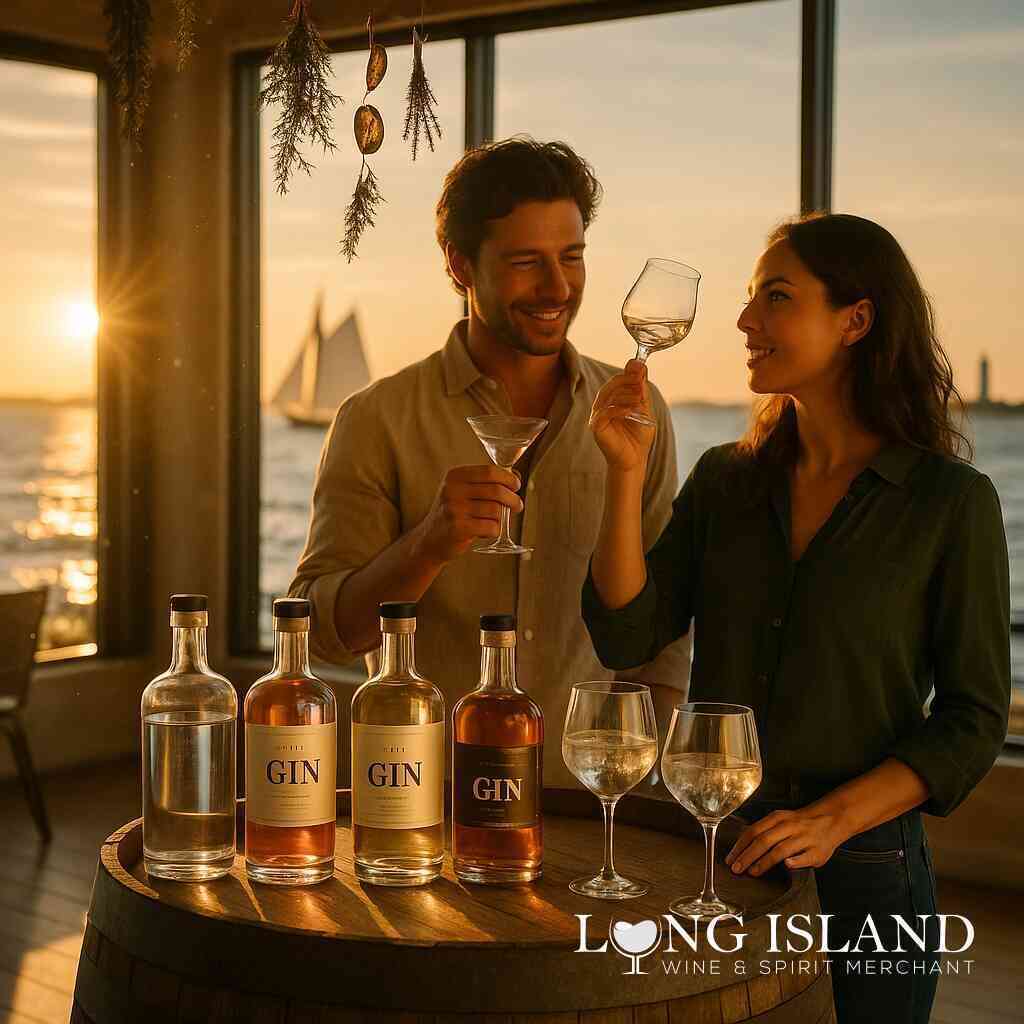
Discovering 2026’s Stand-Out Gins on Long Island
Gin has evolved quickly over the past decade, turning from a niche cocktail staple into one of the most diverse spirits on the market. This guide explores the bottles that earned a coveted spot on the shelves of Long Island Alcohol Store in 2026 and explains why each suits a different drinking style.
What Makes a Modern Gin Exceptional?
A premium gin balances three things:
- Core Juniper Clarity – Juniper should still lead, even when additional botanicals appear.
- Distinctive Secondary Notes – Citrus, floral, spice, or barrel influence give character.
- Versatility in Cocktails – Great gins shine both neat and mixed, from martinis to spritzes.
Long Island buyers evaluate each new release with these criteria in mind, tasting blind to avoid label bias.
The Juniper-Forward Classics
Classic London dry styles remain essential for a clean martini or a bracing gin and soda. Two bottles stand out this year:
- Coastal Heritage Dry – Distilled just outside Montauk with wild juniper and beach-rose hips. Crisp pine, a hint of sea spray, and a peppery finish make it a natural partner for extra-dry vermouth.
- Highland No. 4 – A Scottish export favored by Long Island bartenders. Lemon peel lifts the nose while Macedonian juniper anchors the palate. It stays sharp even when heavily chilled, perfect for stirred cocktails.
Serving tip: Keep these gins in the freezer and rinse the glass with vermouth instead of adding it directly. You preserve botanical brightness while achieving an ice-cold texture.
Citrus-Led Craft Expressions
Drinkers looking for a brighter G&T gravitate toward citrus-heavy profiles. In 2026, two releases dominate the conversation:
- Sicilian Sun Gin – Uses fresh blood-orange peel and local coriander. Zesty oils create a mouth-watering effect without added sugar.
- Meyer & Thyme Botanical – Adds Meyer lemon and garden thyme for a gentle savory lift.
Pair either with a Mediterranean-style tonic and a grapefruit twist. The combination accentuates the gin’s acidity while keeping bitterness in check.
Floral and Herbal New-Wave Bottles
Those who enjoy softer aromatics should explore the following small-batch labels:
- Field Bloom Gin – Infuses lavender, elderflower, and chamomile grown on the North Fork. Subtle honeyed notes round out the finish.
- Garden No. 12 – A Brooklyn collaboration featuring rose hips, hibiscus, and cucumber essence.
Because these gins carry delicate botanicals, use neutral or lower-sugar mixers. A splash of soda, a thin cucumber ribbon, and crushed ice let the perfume speak.
Barrel-Aged and Navy-Strength Choices
Heavier gins appeal to whiskey fans or anyone building robust cocktails.
Barrel-Aged Standouts
- Oak & Ocean Reserve – Aged six months in used rye barrels, merging caramel and baking spice with juniper. Works beautifully in a Negroni, replacing standard gin to add depth.
Navy Strength Highlight
- Latitude 41 Navy Proof – Bottled at 57 % ABV. Coriander and pink peppercorn carry through bold citrus. Despite the proof, the distillate remains clean enough for daiquiri-style sours.
Safety note: High-proof gins require measured pours. Start with recipes that call for half-ounce increments and adjust upward only after tasting.
Flavor Experiments: Pink & Sloe Styles
Colorful bottles continue to gain traction among brunch crowds.
- Blush Harbor Pink Gin – Steeps Long Island strawberries for a dry, not sugary, finish. Ideal with sparkling rosé or lemonade spritzes.
- Twilight Sloe – A traditional sloe gin using wild harvested berries. Mix one part sloe gin to three parts sparkling water for a low-ABV refresher.
How the Store Curates Its 2026 Lineup
- Ingredient Transparency – Distillers must list botanical origins.
- Sustainability Practices – Preference goes to producers using renewable energy or recycled glass.
- Blind Panel Scoring – Local bartenders, sommeliers, and a rotating customer panel taste and rank each submission.
- Cocktail Rigor – Finalists are tested in three classic drinks: Martini, G&T, and Negroni. Only bottles scoring 8/10 or higher in all three make the shelf.
This approach ensures each addition meets both technical standards and real-world mixing needs.
Building a Home Bar: Three-Bottle Starter Kit
For newcomers looking to cover every base, start with:
- Coastal Heritage Dry – Martini backbone and general workhorse.
- Sicilian Sun Gin – Lively option for G&Ts and spritzes.
- Oak & Ocean Reserve – Barrel influence for stirred whiskey-style cocktails.
With these three, you can create more than 20 classic drinks with minimal overlap.
Proper Storage and Glassware Tips
- Keep the Bottle Cool, Not Frozen – Standard-proof gin holds aromatics best at cellar temperature (55–60 °F). Only freezer-store what you plan to use within a month.
- Use a Narrow-Mouth Collins Glass for G&Ts – It concentrates citrus vapor while limiting ice melt.
- Rinse Glassware with Hot Water Before Stirring – Warming the glass slightly prevents shocking the spirit, preserving nuance.
Final Thoughts
Long Island Alcohol Store’s 2026 selection covers every corner of the gin spectrum, from bracing juniper classics to innovative pink expressions. Whether you are a martini traditionalist or a flavor explorer, the current lineup offers a bottle that fits your palate and your cocktail routine. Use the tasting notes above as a roadmap, then let curiosity lead the way. The beauty of gin lies in experimentation—and this year’s releases give you plenty to explore.
Comparing the Finest Gins at Long Island Alcohol Store for 2026


Comments
Post a Comment