Top 10 Sake Pairings Every Home Cook Should Know in 2026
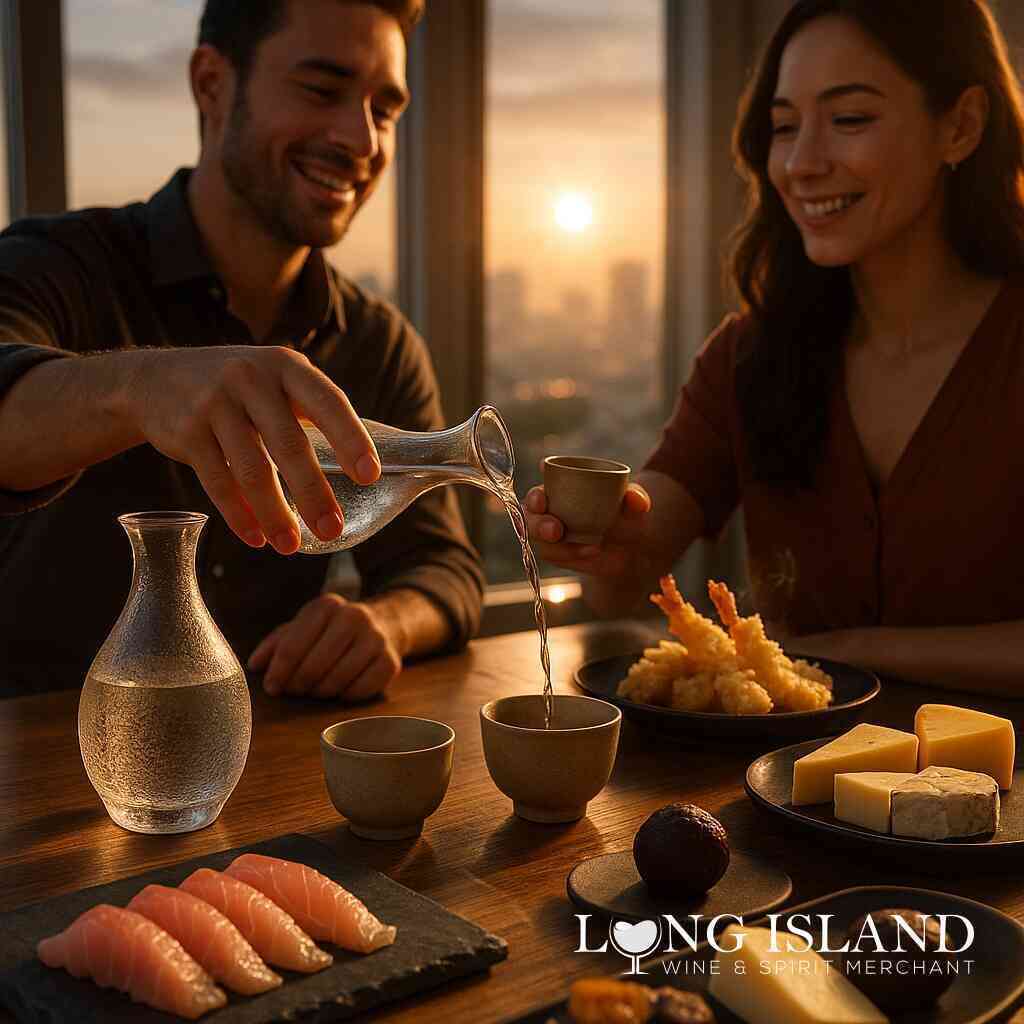
Sake Pairing Made Simple
Curious about matching sake with food but not sure where to start? This guide breaks down ten dependable pairings and explains why they work. By the end you will understand how aroma, texture, and serving temperature help rice wine elevate everything from raw seafood to chocolate cake.
Why Sake Belongs on Modern American Tables
Most sake styles are gentle in acid yet rich in umami. That combination slides easily alongside dishes that overwhelm many white wines. Lower sulfites and a gluten-free grain bill also appeal to today’s ingredient-focused cooks. Because premium bottlings can be served chilled like Sauvignon Blanc or gently warmed like mulled cider, a single bottle covers several courses.
Decoding the Label in Three Steps
- Look for the word 'Junmai' if you want nothing added beyond rice, water, koji, and yeast.
- Scan for polishing terms:
- Ginjo: at least 40 % of the outer grain milled away; bright and aromatic.
- Daiginjo: 50 % or more milled; silkier and often more perfumed.
- Check the Sake Meter Value (SMV). A positive number leans dry; a negative number leans sweet.
Keeping those basics in mind, let’s explore the ten pairing ideas that home cooks return to again and again.
1. Ginjo + Yellowtail Sashimi
A light, melon-noted ginjo highlights the fish’s clean sweetness. Serve the sake well-chilled and sip between bites. The alcohol gently resets the palate so soy, wasabi, and yellowtail stay vivid without clashing.
2. Daiginjo + Warm Lobster Roll
Butter-drenched lobster needs a partner that can rinse richness without stripping flavor. Ultra-refined daiginjo offers a long pear-and-lily finish that feels almost weightless. Chill to about 45 °F, pour a small splash over the toasted bun, and notice how the shellfish tastes sweeter.
3. Honjozo + Crispy Fried Chicken
Honjozo includes a touch of distilled spirit, giving it a crisper edge. That bite slices through fried batter the way a pilsner might, but with added umami that flatters dark meat. Serve just below room temperature for a smooth, peppery glide.
4. Junmai + Mushroom Risotto
Creamy risotto relies on earthy stock and Parmigiano. A sturdy junmai, warmed to body temperature, pulls forward toasted cereal notes that mirror the rice while amplifying mushroom depth. The dish feels lighter even as the flavors deepen.
5. Nama (Unpasteurized) + Spicy Tuna Roll
Nama sakes are bottled fresh, holding a faint spritz and bright fruit scent. That energy cools chili heat in spicy tuna while boosting the roll’s nori aromatics. A quick 30-minute chill is enough; too cold will mute the lively citrus.
6. Nigori (Cloudy) + Korean Fried Cauliflower
Nigori’s creamy texture and gentle sweetness balance gochujang glaze without turning cloying. Tiny rice solids provide a silky feel much like coconut milk would in a curry. Shake gently before pouring, then serve in a short glass to showcase the haze.
7. Koshu (Aged) + Aged Cheddar
Barrel-aged koshu darkens to amber and picks up notes of walnut, soy, and caramel. Those flavors echo the sharp crystals in a three-year cheddar. Try the combination at cellar temperature and skip the crackers; let the cheese and sake converse directly.
8. Sparkling Sake + Nashville-Style Hot Chicken Sandwich
Carbonation lifts fat and tames cayenne fire while a hint of residual sugar cushions the burn. Offer the sake ice-cold in stemless flutes. Bubbles refresh between bites so the sandwich remains crave-worthy instead of punishing.
9. Taru (Cedar-Aged) + Smoked Brisket
Short rest in cedar barrels lends taru sake a clean pine aroma that marries beautifully with smoke-ringed beef. Serve at 55 °F—cool enough to stay focused, warm enough to show woody nuance. A small pitcher on the table invites repeated sips like backyard iced tea.
10. Umeshu (Plum Infused) + Flourless Chocolate Cake
Though not strictly a sake, umeshu starts with rice spirit and shares the category’s low tannin charm. Sweet-tart plum lifts dark cocoa, while the liqueur’s slight almond note nods to the cake’s eggs and butter. Serve lightly chilled in two-ounce pours for an elegant finale.
Serving Temperature Cheat Sheet
| Style | Best Range |
|---|---|
| Daiginjo / Ginjo | 40-50 °F |
| Honjozo | 50-60 °F |
| Classic Junmai | 100-105 °F |
| Nigori | 45-50 °F |
| Koshu & Taru | 55-60 °F |
A quick rule of thumb: the more fragrant the sake, the colder you serve it; the more robust, the warmer it can go.
Easy Ordering Tips for First-Time Buyers
- Filter by SMV if you know you prefer dry or sweet.
- Choose 300 ml ‘half’ bottles when exploring new styles—less waste, more variety.
- Invest in one narrow ceramic carafe; it works for both chilled and warm service.
- Note pairings that click with your regular weeknight dishes. Patterns emerge quickly and guide future purchases.
Final Thoughts
Sake’s versatility stems from a balance of gentle acidity, layered umami, and flexible serving temperatures. Whether you are plating raw fish, smoked barbecue, or decadent dessert, one of the ten pairings above can elevate the meal without fuss. Keep a few styles on hand, trust your palate, and the next dinner party will feel like an umami masterclass.
What Are Top Ten Sake Pairings Order Alcohol Online Loves


Comments
Post a Comment